










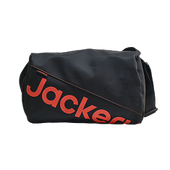
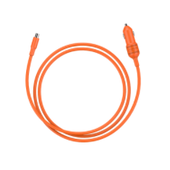























If you're getting ready for a summer BBQ or a winter wonderland, you need an outdoor extension cable that you can trust. Since the weather in the UK can be so unpredictable, your power lines need to be strong enough to endure rain, ice, and UV rays without breaking. A standard cable is a good place to start, but many homeowners want something that can do much more.
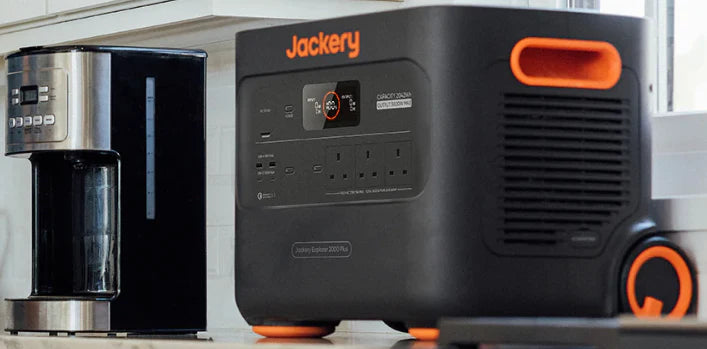
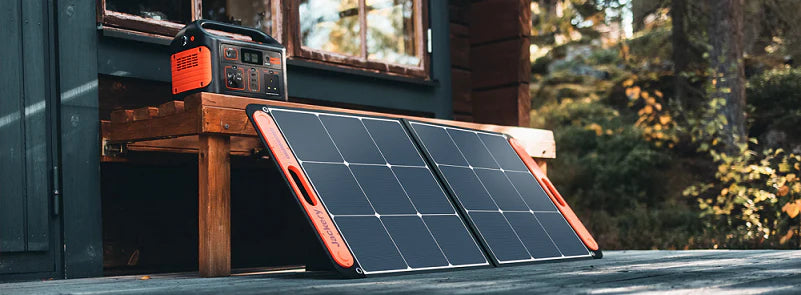
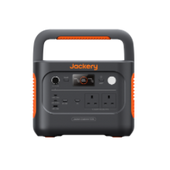
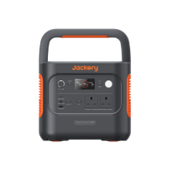
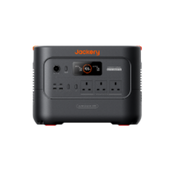
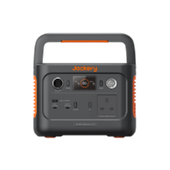
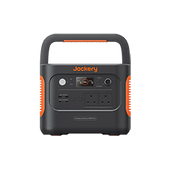
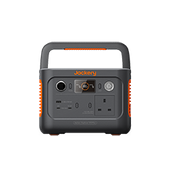
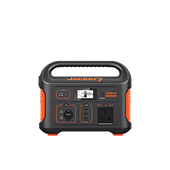
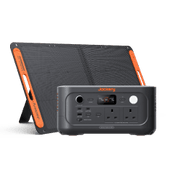
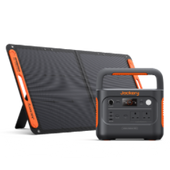
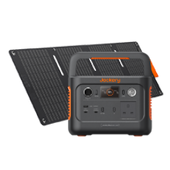
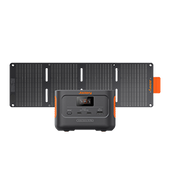
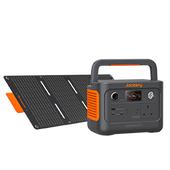
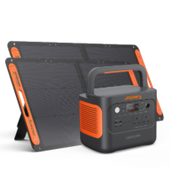
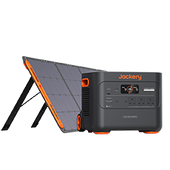
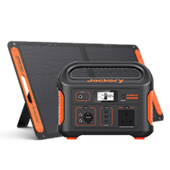
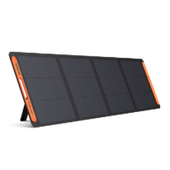
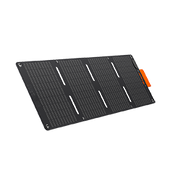
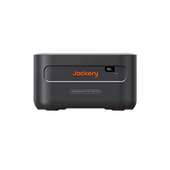
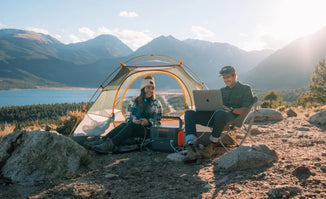
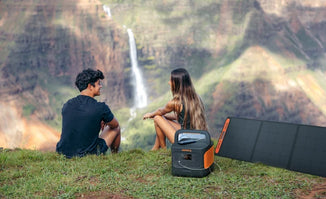
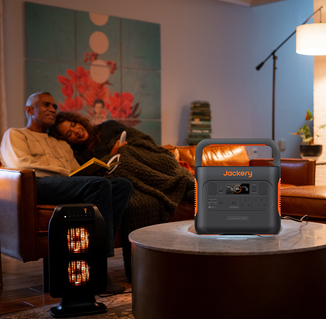
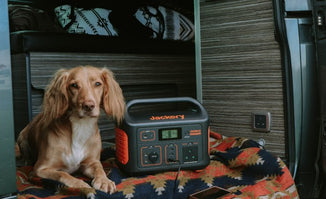
If you don't want lengthy, trailing cables across your yard, a portable power station like the Jackery Portable Power Station is a great cordless option. It gives your outdoor tools a lot of power without the risk of tripping over a regular lead, making it the ideal companion for your outside activities.
|
Key Takeaways: |
|
l An outdoor extension cable is a specialized electrical tool designed to extend your reach while resisting the unique challenges of exterior environments. l Check that your lead has an IP54 grade or above and the relevant UKCA or CE markings for British standards to make sure it is as safe as possible. l Choosing a cable in a bright colour like neon green or bright orange will help keep the lead visible in the grass and stop people from tripping over it. l The portable power option, like the Jackery Explorer 1000 v2 or 2000 v2, gives you unlimited spatial versatility without the restrictions of a permanent outside extension connection. l You need to check the power rating of the outside extension cable before you buy it. l For most UK households, a 15-metre lead is often the "sweet spot," offering adequate reach for a basic semi-detached yard without the severe power loss experienced in much longer lines. l An outdoor extension cable has a thick, heavy-duty jacket composed of materials like rubberised vinyl or polychloroprene that are meant to last. |
What is an Outdoor Extension Cable?
An outdoor extension cable is a kind of electrical cable that is designed to work outside. It generally has a plug on one end and one or more outlets on the other end, and the wire is flexible. This important item lets you use equipment that is far away from your main power source. People often use them for landscaping tools, garden power tools, and seasonal decorations.
Why It's Important to Use the Right Outdoor Extension Cable?
Have you ever looked at a tangle of wires in your shed and wondered if you were picking up a safe lead or a potential fire hazard? You are not alone. Using an incorrect cable outdoors is a common and potentially dangerous error made by many homeowners.
It is vital to understand how to identify whether an outdoor extension cable is truly suitable for the British weather. Whether you are powering LED garden lights or heavy-duty machinery, following the right advice helps you avoid electrical faults and ensures your next garden project runs smoothly and safely.
Benefits of Using an Outdoor Extension Cable
Picking a high-quality outdoor extension cable has a number of practical benefits for keeping your outside living environment clean and enjoyable.
Flexibility: These cables come in different lengths and gauges, so they may be used for a lot of different things. You can quickly power outside speakers or lawn equipment without worrying about where your permanent electricity outlets are.
Convenience: You don't have to move all of your lawn furniture around simply to get to a socket anymore. This approach gives you complete freedom of movement by letting you put your devices precisely where you want them.
Easy Storage: Most designs are small and easy to work with. You can easily maintain your storage space nice and tidy by coiling the wire up when you're done with your outside activities.
Cost-Effective: Putting a new permanent electrical wiring outside might be costly and cause problems. Using a portable cable means you don't have to hire an electrician, which saves you money while still getting the same result.
Temporary Setup: If you're throwing a garden party or a short get-together, these cables will provide you electricity right away. They let you add music or ambient lighting systems to your house without having to modify the wiring in your home.

What Makes an Outdoor Extension Cable Different?
The main difference is the protective insulation. An outdoor extension cable has a thick, heavy-duty jacket composed of materials like rubberised vinyl or polychloroprene that are meant to last. This strong case is designed to protect the cable from UV radiation from the sun and keep it from breaking or becoming brittle.
Indoor leads, on the other hand, have thin plastic covers that don't protect against moisture. An outside extension cable that is waterproof keeps the internal wiring dry and working, even when it is dragged over wet grass or gets caught in a sudden British rainstorm.
Also, outdoor versions are generally always grounded, which means that electricity may safely flow through them in case of a malfunction. This is an important safety aspect for any outside project.
Comparing Indoor and Outdoor Cable
The following table highlights the key differences you should look for to ensure your setup is safe and compliant with UK standards.
|
Feature |
Indoor Lead |
Outdoor Extension Cable |
|
Safety Marking |
Standard BS 1363 |
Marked with "W" or "H07RN-F" |
|
Plug Connection |
Standard 13A UK Plug |
Three-pin earthed/grounded plug |
|
Protective Jacket |
Thin, lightweight plastic |
Thick, reinforced rubber or vinyl |
|
Sunlight Resistance |
None (can degrade quickly) |
High UV resistance for outdoor durability |
|
Weather Shielding |
No protection against liquids |
Moisture and splash-resistant |
|
Visual Safety |
Neutral (White, Black, Brown) |
High-visibility (Orange, Yellow, or Green) |
Is Your Cable Safe for the British Garden?
It is vital to understand the structural differences between indoor and outdoor equipment. While they might look similar, using a standard household lead outside can lead to dangerous electrical faults when exposed to the elements.
How Long Should Your Outdoor Extension Cable Be?
Finding the proper length is a mix between getting to your goal region and keeping the electricity safe. Standard outdoor extension cables in the UK are usually between 5 and 25 meters long. However, for bigger gardens, you may buy heavy-duty spools that go up to 50 meters.
Choosing the right size isn't just about making things easier; it also affects how well your equipment work. If you choose a cable that is too lengthy for the job, it might make things work less well. If it is too short, it could put severe pressure on your sockets.
Short vs. Long Extension Cables: Which is Best?
When deciding on the length for your next outdoor extension cable, consider how the distance affects the flow of electricity.
Short Extension Cables (5m - 10m)
Short leads are great for tasks around the home, such as powering a hedge trimmer or installing patio speakers. The main benefit of a shorter connection is that it has less voltage drop, ensuring that your appliances get full power. They are also considerably simpler to handle, lowering the likelihood of people stumbling over extra wire coiled on the grass.
Long Extension Cables (15m - 25m+)
Longer cables are necessary for reaching the bottom of a large garden or powering outdoor lighting for a distant gazebo. However, as the length increases, so does the electrical resistance. This can result in your power tools feeling less "punchy" or your lights appearing dimmer.
Safety Note*: If you are using a long outdoor extension cable stored on a reel, you must fully unwind it before use. Leaving it coiled creates a "magnetic induction" effect that can cause the cable to overheat rapidly, potentially melting the insulation.
Choosing the Practical Middle Ground
For most UK households, a 15-metre lead is often the "sweet spot," offering adequate reach for a basic semi-detached yard without the severe power loss experienced in much longer lines. If your project needs more than 25 metres, it is typically safer and more effective to install a permanent weatherproof outside socket closer to the work area rather than "daisy-chaining" many leads, which poses a significant fire danger.
How to Use an Outdoor Extension Cable?
It's easy to use an outside extension cable, but you need to follow some basic safety rules to keep your house and equipment safe. These procedures can help your outdoor work go smoothly and keep you safe from electrical risks.

Step 1: Check the Cable Before You Use It
Make sure your outside extension cable is rated for external weather conditions before you hook anything in. Check the whole length of the lead for any cuts, nicks or wires that are showing. Before you connect, make sure the plug and socket ends are clean and dry.
Step 2: Calculate the Total Power Load
It is important to think about how many watts all the gadgets you want to connect will need. In the UK, the highest current rating for an outdoor extension cable is normally 13 Amps. Don't plug in too many high-wattage gadgets at once, since this might overload the lead and make it excessively hot, which could harm your electrical system.
Step 3: Prevent Tripping Hazards
Make sure the cable is level on the ground when you lay it across a patio, grass, or sidewalk. If the lead has to cross a walkway with a lot of foot traffic, use a heavy-duty cable protector or make sure it is securely secured to save people from tripping and falling. Choosing bright colours for the cable, for example, may make it easier to see and make the area safer.
Step 4: Protect Connections from Moisture
Even if you have a waterproof lead, keep the places where the tool connects into the wire from the wet grund. If you leave things like holiday lights plugged in during rainy weather, using a separate weatherproof safety box for these connections gives an added layer of protection.
Step 5: Proper Power Down and Storage
When you're done with your outside duties, always remove the outdoor extension wire from the main power source first. When you're not using them, don't leave cables connected into exterior outlets for long periods of time. Last but not least, coil the lead loosely to prevent damaging the wires inside, and keep it in a dry, indoor place like a shed or garage to make it last longer.
Essential Safety Tips for Outdoor Extension Cable Use
Safety should always come first when it comes to external electricity. You can keep your property safe and your outdoor extension cable in good shape for years to come by following a few easy rules.

Do a Pre-Use Check
Before you use it, look over the whole length of the lead. Check for cracks that you can see, copper wires that are exposed, or insulation that is starting to tear. If you see any damage to the structure, don't try to patch it temporarily using electrical tape. To avoid the danger of fire or electric shock, it is far better to throw away the broken outside extension cable and get a new one.
Master the Art of Proper Storage
The manner you put away your tools is important. When you're done with your outdoor work, coil the cable loosely and put it up inside where it won't get wet. A typical error is to wrap the lead around your elbow tightly like a lasso. This creates abrupt bends that may break the copper strands within over time. Instead, utilise a loose "over-under" coiling method to protect the wires from becoming tangled and yet be flexible.
Don't "Daisy Chain" to Stay Safe
You may want to connect one lead to another to go to the other end of your garden, but this is a very dangerous thing to do. When you connect more than one lead in a chain, the electrical resistance goes up and the plug points become too hot. To keep the current safe, only use one outside extension cable that is the right length for the work instead of connecting many together.
Prioritise High-Visibility Colours
Have you ever fallen over a black wire that was buried in the grass by accident? Or, even worse, caught one with a lawnmower? Choosing an outside extension cord in a bright colour like neon green, brilliant orange, or yellow is a good safety decision. These bright hues show out against the terrain, which helps keep the wire visible as you work and prevents others from tripping over it.
How To Protect Outdoor Extension Cords?
Taking care of your tools not only keeps you safe, but it also makes your investment last longer. To maintain your outdoor extension cable in great shape, follow these tips for expert care and protection.
Secure the Physical Pathway
Use special cable coverings for running wires across pathways or places with a lot of foot activity. These shields prevent people from stepping on or crushing the lead, which may damage the internal wiring over time. Also, always hold the plug head squarely when you unplug your gadgets. Pulling on the wire itself exerts extra stress on the connections and may cause them to tear on the inside.
Manage Electrical Loads and Positioning
It is very important that you never go above the wattage rating of your outside extension wire. Check the power needs of your tools before you use them to make sure the insulation doesn't become too hot.
To lower the danger even further, keep all connection points above the ground and away from places where water tends to pool. Putting connections atop a block or in a dedicated weather box keeps them dry and working even if the ground becomes wet.
Environmental Awareness and Storage
The weather in the UK may be unpredictable, so it's a good idea to disconnect and put away your outside extension cord during thunderstorms or other bad weather. These cables are made to last, however putting them outside for a long time might cause them to wear out faster. When you're done with your work, put the cable in a cold, dry place inside.
Safety Checks on a Regular Basis
Check your equipment with your eyes every so often. Look for evidence of wear, including cracks in the outer jacket or copper that is showing. If you see any physical damage on an outdoor extension cable, you need to repair it right away since it gets more friction and temperature variations than inside leads. The best way to make sure your garden electricity stays safe and dependable is to keep doing these inspections.
Alternatives to the Outdoor Extension Cable
A good outdoor extension cable is a dependable must-have for many UK gardens, but contemporary technologies and permanent installations provide more versatile and efficient options. If you often have to deal with wires that are tangled or cables that are too short, it may be time to think about a better way to do things.

Installing Permanent Weatherproof Sockets
A lot of homeowners in the UK opt to have a certified electrician install permanent exterior sockets so they may use them for a long time. These plugs are installed to the outside wall of your property and must follow BS 7671 wiring rules. This is different from a temporary outside extension wire.
A socket that is fitted by a professional is usually certified IP66, which means it is completely safe against strong water jets and dust. This is a great choice for places you use a lot, like patios or near auto charging stations, since it means you don't have to run wires through open windows or doors, which may make your house less safe and less insulated.
Switching to Cordless Garden Tools
Switching to battery-powered tools is one of the best methods to stop relying on an outside extension cord. Today's battery-powered lawnmowers, hedge trimmers, and leaf blowers work just as well as older ones that plug into the wall.
You may walk around freely without worrying about cutting through a live wire if you use rechargeable batteries. In bigger British gardens with plenty of things in the way, such trees or flowerbeds, the convenience of going cordless typically balances the fact that a tethered wire may go forever.
Portable Power Stations for Total Flexibility
Portable power stations are a game-changer if you require electricity in the furthest parts of your garden or even off the grid. These devices are like big, rechargeable batteries that give out energy without making noise and without needing a watertight outdoor extension cord configuration.
The Jackery Portable Power Station is a premier choice for UK users because it masterfully balances high-capacity performance with the practical constraints of British life.
Which Alternative Is Right for You?
If your demands are fixed and near to home, a normal outside extension cable is still the best and cheapest way to undertake temporary work. But if you care about safety and being able to move about, a mix of cordless tools and a portable power station like the Jackery Explorer 1000 v2 or 2000 v2 may let you live a contemporary, wire-free existence. A permanent IP-rated socket is the finest structural investment for those who seek the ultimate "plug and play" landscape.
Reliable Outdoor Power Source with Jackery
A Jackery Portable Power Station is a premier choice for UK users because it masterfully balances high-capacity performance with the practical constraints of British life.
These units offer a "plug-and-play" simplicity that eliminates the need for complex wiring or hazardous petrol generators. With the transition to LiFePO4 battery chemistry, Jackery ensures a decade-long lifespan and safe, silent indoor operation, which is vital for maintaining essentials like fridge-freezers and WiFi routers during the UK’s increasingly frequent grid outages.
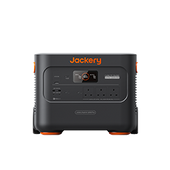
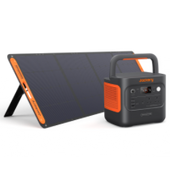
Jackery Explorer 2000 v2
The Jackery Explorer 2000 v2 is a formidable outdoor companion for the UK’s unique environmental challenges. While the 3000 v2 excels at stationary home backup, the 2000 v2 is engineered for the "rugged and mobile" side of British outdoor life—from wild camping in the Highlands to remote worksites in the Peak District.

Superior Power-to-Weight Ratio
For an outdoor unit, portability is reliability. The 2000 v2 is 41% smaller and 36% lighter (38.6 lbs) than most 2kWh competitors. In the UK, where outdoor adventures often involve trekking from a vehicle to a remote spot or navigating uneven terrain, being able to carry a 2042Wh power source with one hand is a game-changer.
Resilience to the British Climate
Outdoor gear in the UK must survive dampness and cold. It has a discharge temperature range down to -10°C, making it reliable for winter camping or late-season expeditions when temperatures drop overnight.
While the unit itself is not fully submersible, the v2 is often bundled with a weather-resistant carry case featuring waterproof zippers and specialized vents, allowing you to operate the unit even in light rain or misty coastal conditions. Its "Cell-to-Body" (CTB) design reinforces the internal structure, making it shock-resistant against the vibrations of off-road driving or accidental bumps on rocky ground.
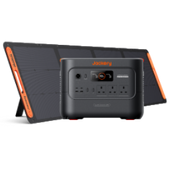
Jackery Explorer 1000 v2
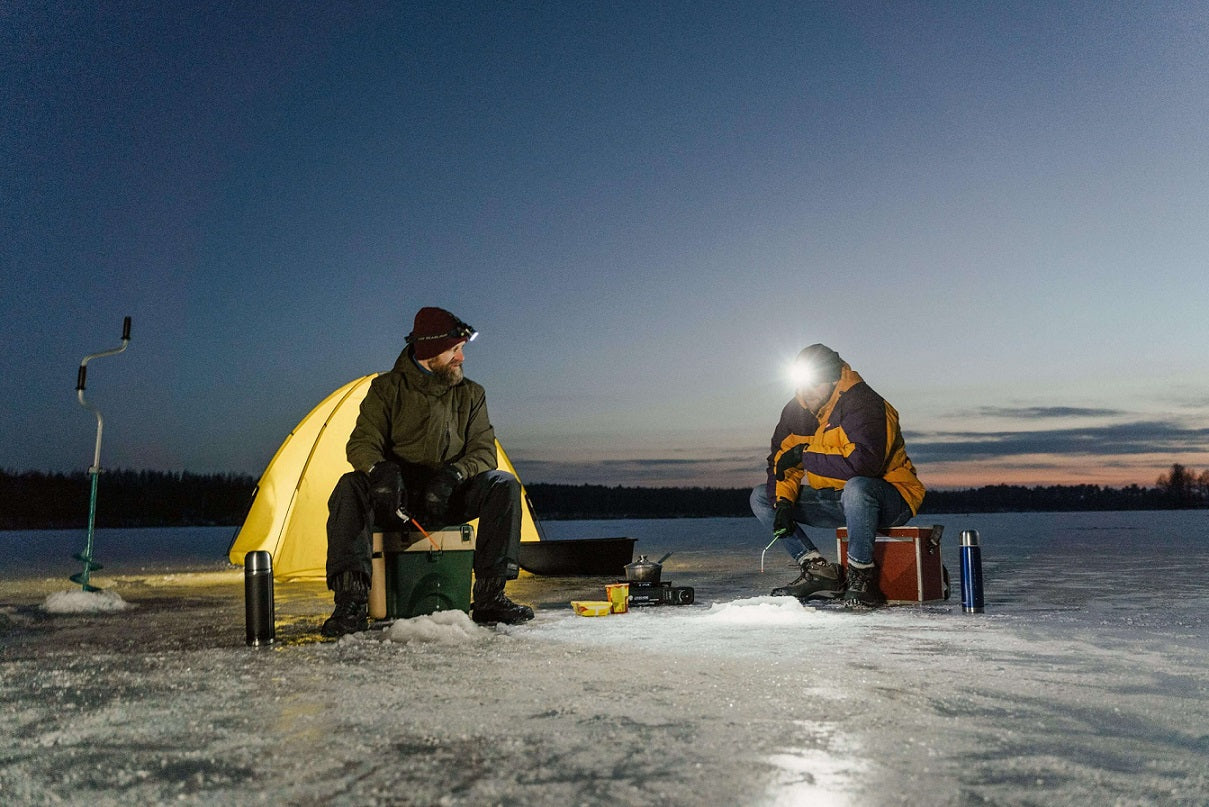
The Jackery Explorer 1000 v2 is a standout for UK outdoor enthusiasts because it solves the most common headaches of portable power: weight, charging speed, and durability. While you’re maintaining a garden, fishing at a quiet lake, or camping in the Highlands, this unit provides "mains-style" freedom in a highly portable package.

High Performance for Gardening & DIY
Unlike smaller power banks, the 1000 v2 features a 1500W continuous output (1070Wh capacity and 3000W surge). It can easily run corded hedge trimmers, leaf blowers, or electric lawnmowers in areas of your garden where extension leads can’t reach. It’s powerful enough for miter saws and drills, making it a "mobile workshop" for outdoor projects or repairing a shed at the bottom of the garden.
Tailored for Camping & Social Trips
Space is often limited in a car boot or tent, but the v2 is 18% smaller than its predecessor. At just 23.8 lbs, it is light enough to carry from the car to a remote pitch using its ergonomic, foldable handle.
It operates at under 22dB (Library-Quiet). You can boil a travel kettle for your morning coffee or run a CPAP machine overnight without the loud hum typical of older generators or cooling fans. The integrated light is a lifesaver for setting up camp after dark or finding your way around a pitch at night.
Essential for Fishing & Long Sessions
For anglers spending days by the water, the 1000 v2 acts as a silent, high-capacity reservoir. It can charge a typical smartphone dozens of times, keep a high-spec drone ready for aerial shots, and power a portable fridge to keep bait (or lunch) fresh for the duration of a long weekend.Because it is 100% silent and emission-free, you won't spook the fish or disturb the tranquility of the riverbank.
FAQs
The following are frequently asked questions about the outdoor extension cable in the UK.
1. What is the best extension cable to leave outside?
H07RN-F heavy-duty rubber flex is the best kind of outdoor extension cable for long-term or rough usage. This kind of cable is designed to withstand grease, oil, and bad weather without the insulation breaking down. These leads are better for British gardens and building sites than regular PVC leads since they are flexible in chilly conditions and tolerate UV rays well.
2. Can I leave an extension cable plugged in outside in the rain?
You should never leave a regular outside extension cord connection out in the rain. The cable itself is waterproof, however the places where you connect in your gadgets are not.
If you need to have a lead on during rainy weather, as for holiday lights, you should put the connections in a waterproof safety box with an IP54 rating or above. This prevents water from getting in, which might cause a short circuit or a triggered RCD.
3. Can you get outdoor extension leads?
Yes, there are many different types of outdoor extension cables that are different from interior ones. Real outdoor leads have a thicker, stronger jacket and typically come with IP-rated coverings for the sockets.
In the UK, they are often offered in bright orange or blue so that they are easy to see on the grass. This lowers the chance of lawnmowers or foot traffic accidentally damaging them.
4. What cable is suitable for outdoor use with Screwfix?
When you buy at big UK stores like Screwfix, search for cables that are explicitly labelled for outdoor use. An outdoor extension cable waterproof reel or a heavy-duty rubber lead is good for temporary electricity.
You must use Steel Wire Armoured (SWA) cable for permanent underground wiring, as for a summerhouse or garden office. SWA has a metal covering that protects it from damage by garden equipment, and it is the standard for buried exterior electrical
Final Thoughts
It's a good idea for any homeowner to get a high-quality outdoor extension cable, but remember that safety and upkeep are what really make a system endure. To keep your garden functioning well, always check your leads for wear and store them properly.
If you need more power or just want to be able to roam about your property more freely, think about getting new gear. The Jackery Portable Power Station is a powerful option that can provide you all the power you need for heavy-duty equipment or big events.