






























Having a reliable freezer is critical, especially if you store large amounts of frozen food or need additional capacity. If your freezer is over ten years old and shows signs of failing, replacing it is usually the best option.
But which freezers not to buy? Please keep in mind that freezers with plastic back panels are not recommended because they are brittle and prone to distortion, which can result in costly repairs if damaged.
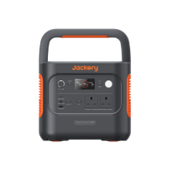
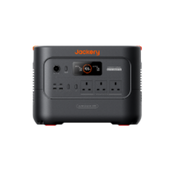
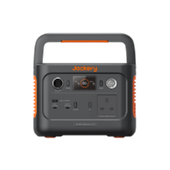
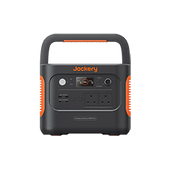
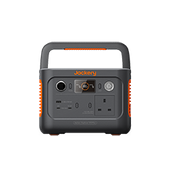
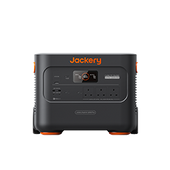
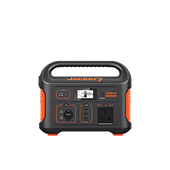
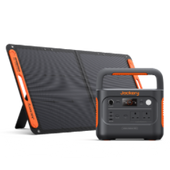
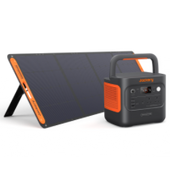
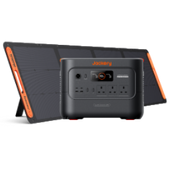
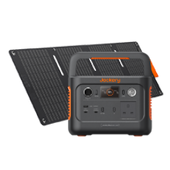
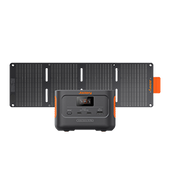
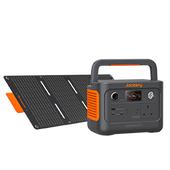
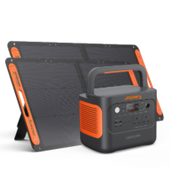
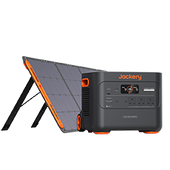
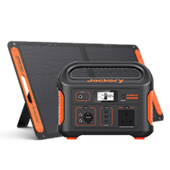
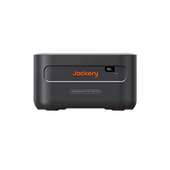
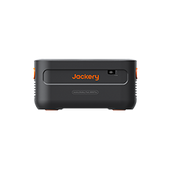
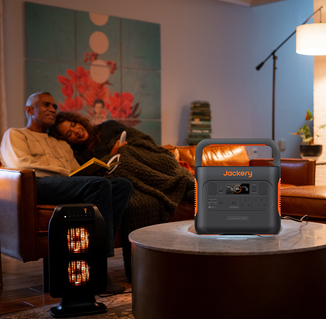
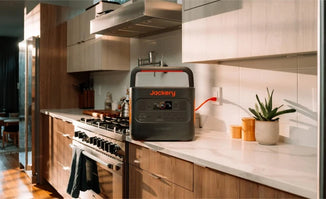
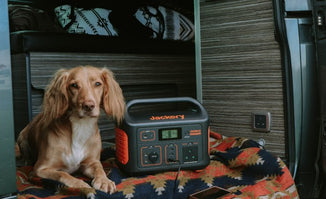
Additionally, if you find your freezer consumes too much energy, consider using a Jackery Explorer 1000 v2 or 500 v2 portable power station. These products can be fully charged during off-peak hours and then used to power your freezer during peak hours, helping to optimise your energy consumption.
|
Key Takeaways: |
|
When Should I Replace My Freezer?
Freezers play an essential role in family life, as they keep food fresher for longer. But does it still work properly? Is it time to upgrade? If you notice any of the following indicators, you should consider replacing your freezer.
Food Degrades Prematurely
Rapid food rotting is an indication that your freezer isn't chilling properly. If you discover that food has spoiled before its expiration date, it is possible that your freezer is unable to maintain a low enough temperature to keep it fresh. While this could be caused by something as simple as a defective door seal, it could also be due to a faulty thermostat.
Making Strange Noises
Even brand-new freezers make noise. A properly operating freezer, on the other hand, should emit merely a faint humming sound. If it makes other unexpected noises, such as knocking, clicking, or pounding, there could be a problem with the compressor, condenser fan, or condenser coils.
Excessive Frost
A little frost in your freezer is normal. But if there is a lot that you can’t remove, there may be a problem, and fixing it is usually too expensive to be worth it.
Long-Term Use
If your freezer is over 10 years old and doesn’t work well, replacing it is often cheaper and saves energy, since newer freezers use less energy.
Which Freezers Not to Buy?
Freezers are not only necessary for food preservation; they also have a direct impact on food safety, energy bills, and daily quality of life. However, the freezer market is saturated with products of different quality.
Some models, promoted at modest prices, actually contain performance flaws and superfluous features. The following types of freezers are especially not worth purchasing:

Freezers with Plastic Back Panels
Some low-cost freezers replace standard metal evaporator layers with all-plastic or composite plastic rear panels to save money. Plastic transfers heat quickly, allowing easy cold-air loss. The compressor must be restarted regularly to replenish cooling, resulting in a 20%-30% increase in energy use.
Plastic backs on freezers can break and bend easily. If they get damaged, they are expensive to repair, and the freezer might stop working. You can use a query tool to check whether the freezer has a plastic back.
Freezers with Overly Complex Functions
To boost their premium, some firms offer refrigerators with built-in screens, cameras, app connections, voice assistants, and so on, but these frequently result in redundant functionality and a high failure rate.
For example, certain smart freezer apps have inconsistent connections, and the remote control frequently malfunctions. In addition, freezers with too many compartments may experience drawer slide jamming or breakage, leading to significant repair costs.
Freezers with Slow Cooling Speed
Some versions cool slowly and cannot drop the temperature below -24°C in 3 hours to preserve food freshness. This freezer is unsuitable for storing fish, meat, and so on. For example, freezing a whole piece of beef may result in a hard top and a mushy interior, leading to spoilage.
Freezers without After-Sales Service
Some brands do not have local repair networks in the UK, so customers cannot get after-sales service. If a freezer fails, certain foreign brands require parts to be ordered from overseas, with repair cycles taking 4-6 weeks during which the freezer is unusable. Alternatively, some freezer after-sales services rely on third-party providers, leading to poor response times and frequent repair rejections due to human error.
What Should You Pay Attention to When Purchasing a Freezer?
To help you decide, here are some crucial factors to consider when purchasing a new freezer. This will ensure you purchase a high-quality freezer that meets all your household needs.
Type
There are two types of freezers: upright and chest. Each has pros and cons with space, ease of use, and energy use. Chest freezers have lids that open from the top and ample space for large frozen items. Upright freezers are shaped like regular fridges, with shelves for easy storage of frozen food.
|
Freezer Types |
Advantages |
Disadvantages |
|
Upright Freezers |
Easy to open and retrieve items Small footprint Multi-layer drawer design facilitates categorized storage |
Cold air easily escapes when the door is opened Price is relatively high |
|
Horizontal Freezers |
Less cold air loss when the door is open Larger capacity Affordable price |
Large footprint Inconvenient to retrieve items |
Capacity
The quantity of room required is determined on your family's size and lifestyle. Freezer capacities typically range from 80 to over 400 litres. Don't aim for maximal capacity, as filling only half a freezer would take more energy, resulting in higher electricity costs. As a result, selecting a freezer capacity that meets your family's actual requirements is critical.
|
Family Size |
Freezer Capacity |
Detailed Description |
|
1-2 people |
100-200 liters |
This is approximately equivalent to the capacity of 3-6 reusable shopping bags. |
|
3-4 people |
200-300 liters |
This is approximately equivalent to the capacity of 6-10 reusable shopping bags. |
|
5 people and above |
300 liters and above |
This is approximately equivalent to the capacity of 10 or more reusable shopping bags. |
This table is for reference only. Please select the appropriate freezer capacity based on your actual needs.
Features
Modern freezers have numerous functions, but not all are worth the expense. When making a purchase, consider its practicality.
|
More Features to Consider When Choosing a Freezer |
|
|
Temperature Alarm |
An alarm will sound if the temperature rises. |
|
Quick Freeze |
Enabling this function instantly reduces the temperature of the freezer, cooling the food inside. |
|
LED Lighting |
Bright, white light, more energy-efficient than incandescent bulbs. |
|
Frost-Free |
It uses a fan to continuously circulate cold air, preventing ice accumulation. |
|
Door Open Alarm |
An alert will sound if the refrigerator door is not properly closed. |
Energy Efficiency Ratings
Select models with the greatest energy efficiency rating to reduce electricity use and long-term operational costs. Generally, Rating A denotes the maximum level of energy efficiency. Freezers must operate continuously; energy economy is critical. Choosing a more energy-efficient freezer will reduce the cost of keeping goods frozen.
Noise Level
Freezers make noise when running, especially in open kitchens and small apartments. Check the noise level of your chosen model to make sure it fits your space. Models with a rating under 35 decibels are usually very quiet and hard to hear. Models over 45 decibels are too loud for living spaces.

What Is the Most Reliable Fridge Freezer Brand in the UK?
To assist you in making your decision, we will present the most trusted freezer brands on the market today (for reference only). The following brands excel at dependability, performance, and unique features.
Liebherr
Liebherr is a worldwide recognised German brand known for producing high-quality refrigerators and freezers. Liebherr freezers use SuperFrost technology, a precise electronic control system, and excellent insulation to maintain stable freezing temperatures for up to 30 hours, even during power outages.
Samsung
Samsung needs no introduction; the company is well-known for its high-tech, attractive devices. Samsung freezers are packed with new features thanks to ongoing technology breakthroughs. For example, the all-around circulating cooling system keeps food at a consistent temperature regardless of its location in the refrigerator. These features are intended to extend the shelf life of food while reducing energy usage.
Bosch
Bosch was founded in Germany over 130 years ago and is well-known for its high-quality household appliances. Bosch appliances are known for their beautiful appearance, practical functionality, and dependability. Bosch freezers are simply one of several product lines. Bosch freezers use super-freezing technology to freeze quickly, offer versatile storage options, and are among the most energy-efficient models on the market, operating quietly.
Beko
Beko freezers are very cost-effective, functional, and reasonably priced. They feature Freezer Guard technology, which allows them to operate normally at ambient temperatures as low as -15°C, making them ideal for garages and sheds.
Zanussi
Zanussi freezers are durable, easy to use, and cost-effective, with a sensible design. Their quick-freeze function preserves nutrients and flavour, and the translucent drawer panels make it simple to discover what you need.
(*All the brands and data are based on the Appliance City)
Tips for Helping Your Freezer Work Better
Many families overlook how to make their freezers more efficient, energy-saving, and durable. In truth, a few simple daily tips can greatly enhance freezer efficiency, save electricity expenses, minimise the likelihood of malfunctions, and increase their lives.

Tip 1: Ensure Sufficient Cooling Space
Freezers require cooling to sustain their low temperatures. To improve the cooling effect, keep the back wall of your refrigerator and freezer about 10 cm from the wall. Regularly hoover the freezer's bottom to remove dust buildup.
Tip 2: Maintain Suitable Temperature Settings
The ideal working temperature for a freezer is -18°C. Please see the product specifications and manufacturer's handbook for recommended settings for your individual model.
Tip 3: Ensure a Good Door Seal
If the freezer door seal is not tight, cold air will leak out, causing the freezer to restart and stop repeatedly to keep the temperature low. To maintain the seal soft, wipe it down with warm water and a neutral detergent on a regular basis, and replace it as soon as it gets worn or distorted.
Tip 4: Defrost Regularly
Some older versions may still get frost buildup. Manually defrost every 3-6 months. After unplugging, use a basin of hot water to speed up the defrosting process; never scrape with sharp instruments as this can harm the evaporator.
Tip 5: Clean Regularly
Keeping the inside of the freezer clean is not only hygienic, but also improves cooling performance. Clean the freezer about every three months. After unplugging, take all objects out and clean the internal walls, drawers, and door seals with warm water and a neutral detergent.
Tip 6: Avoid Overfilling or Complete Emptying
Freezers should be kept at 70% to 80% capacity. Overfilling reduces cold air circulation, resulting in uneven cooling, and some sections may not reach -18°C. Complete emptying may cause the compressor to start and stop repeatedly.
Tip 7: Utilise Green Electricity or Off-Peak Electricity Prices
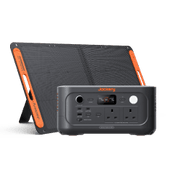
To power the freezer, try charging energy storage batteries (such as the Jackery Explorer 1000 v2/500 v2) during off-peak hours and drain them during peak hours. Alternatively, utilise solar panels to provide free solar power for your freezer.

Save Your Electric Bills with Jackery Portable Power Stations
Freezers, as kitchen appliances that operate year-round and continuously consume electricity, directly impact household electricity bills and the carbon footprint. How can energy conservation be achieved while ensuring food freezing safety?
The Jackery Portable Power Stations, with their superior performance and green design, are becoming ideal partners for optimising freezer energy consumption.
Users can charge their Jackery overnight when electricity prices are lowest (e.g., 00:00–05:00), then use the stored, low-cost electricity to power the freezer during the day, significantly reducing long-term electricity costs. Alternatively, the freezer can be charged during the day using free sunlight, providing a zero-carbon power supply.
|
Freezer Type |
Average Running Watts |
Daily Energy Use (kWh) |
|
Small / Under-counter |
60W – 100W |
0.4 – 0.7 kWh |
|
Medium Upright / Fridge-Freezer |
100W – 150W |
0.8 – 1.1 kWh |
|
Large Chest Freezer |
80W – 150W |
0.6 – 1.2 kWh |
|
American Style |
150W – 250W |
1.2 – 2.0 kWh |
Jackery Explorer 1000 v2 Portable Power Station
The following will highlight the key advantages of the Jackery Explorer 1000 v2 working in conjunction with your freezer.

Large Energy Storage Capacity, Easily Handling Long-Term Power Needs
The Jackery Explorer 1000 v2 boasts a large 1070Wh battery capacity, sufficient to support a standard household freezer (average power approximately 100W) for 7 to 8 hours of continuous operation, and even longer in energy-saving mode or intermittent operation. This battery's long life provides ample power for home emergencies, power outage protection, and weekend off-grid living, effectively preventing food spoilage during power outages.
Efficient Energy Management, Reduced Waste
The Jackery Explorer 1000 v2 uses a lithium iron phosphate (LFP) battery with a lifespan of up to 10 years and 4000 charge cycles (capacity maintained at 70%). It also features a pure sine wave inverter (rated 1500W, peak 3000W) to ensure smooth compressor startup, avoiding excess energy consumption or equipment damage caused by waveform distortion.
Supports Multiple Charging Methods, Utilising Free Solar Power
The Jackery Explorer 1000 v2 supports three simple, fast-charging methods: AC power, solar power, and car charging. Charge the freezer with solar power during the day and power it at night, creating a green cycle and significantly reducing your carbon footprint. Furthermore, by enabling emergency charging mode via the app, the Explorer 1000 v2 portable power station can be fully charged in less than an hour.
Quiet and Seamless Power Switching Design
The Jackery Explorer 1000 v2 operates extremely quietly, with noise levels below 22 decibels, ensuring it won't disturb your family life. Whether placed in a corner of the kitchen or the living room, it ensures you won't be disturbed, allowing you to focus on what truly matters. This UPS has a response time of less than 20 milliseconds, guaranteeing your freezer's continuous operation even during power outages or voltage fluctuations.
|
Running Time of Explorer 1000 v2 |
|
|
Efficient Freezer (30W) |
30 Hrs |
|
Standard Freezer (40W) |
22 Hrs |
|
Large or Old Freezer (60W) |
15 Hrs |
(*The above running time is only for reference)
Jackery Explorer 500 v2 Portable Power Station
The following highlights the key advantages of the Jackery Explorer 500 v2 in conjunction with your freezer.

Precise Capacity Matching Energy-Saving Freezers
The Jackery Explorer 500 v2 is equipped with a 512Wh battery and 500W of output power to run a low-power freezer, meeting temporary power-outage needs. It features two AC power outlets, one car power outlet, two USB-C ports, and one USB-A port, allowing it to power multiple devices simultaneously. It is particularly suitable for student apartments, small homes, or as a second emergency system for the home.
Prioritise Solar Power for Maximum Energy Efficiency
The Jackery Explorer 500 v2 supports 200W solar input and can be fully charged in 2.8 hours. It intelligently prioritises solar power, using AC power only when needed, when both solar panels and AC power are connected. For example, it can quickly replenish power during off-peak hours and release it during the day to power the freezer, achieving electricity price arbitrage.
Compact and Portable, Taking Up Minimal Space
The Jackery Explorer 500 v2 weighs only 5.7 kg, 11% lighter than the older Explorer 500, making it easy to lift with one hand and pack effortlessly. It also utilises advanced CTB (Cell-to-Body) technology, improving space utilisation by 18% compared to traditional models. Even when placed next to the freezer, it takes up minimal space.
Safe and Reliable, Extremely Adaptable to Power Outages
The Jackery Explorer 500 v2 automatically switches power within 10 milliseconds during power outages, ensuring your freezer continues to operate smoothly. It also features storm protection, protecting your freezer and other equipment from lightning strikes and sudden voltage spikes up to 3000V.
|
Running Time of Explorer 500 v2 |
|
|
Efficient Freezer (30W) |
14.5 Hrs |
|
Standard Freezer (40W) |
10 Hrs |
|
Large or Old Freezer (60W) |
7 Hrs |
(*The above running time is only for reference)
Refrigerator or Freezer: Which Is Better?
What is better, a refrigerator or a freezer? The answer to this question depends on usage requirements, available space, family structure, and lifestyle. The following is a detailed analysis.
Functional Positioning
The primary function of a refrigerator is to maintain temperatures between 0°C and 4°C. It is used for the short-term storage of common items such as vegetables, fruits, dairy products, prepared food, and beverages.
A freezer's primary function is deep freezing, typically at -18°C, which meets food safety regulations. It is used to store meat, seafood, frozen foods, leftovers, baking ingredients, and other items for extended periods.
Electricity Consumption
The frequency with which doors are opened and closed determines how much electricity each appliance consumes. Refrigerators tend to open and close far more frequently than freezers. When the refrigerator door is opened, cold air escapes, forcing the refrigerator to work harder to maintain a lower internal temperature, requiring more electricity. Freezers are generally more energy efficient and use less electricity than refrigerators since they are turned on and off much less frequently.
Storage Flexibility
Refrigerators have multi-layered compartments, movable drawers, and dedicated storage chambers that keep food organised and conveniently accessible. Freezers, particularly horizontal freezers, are less convenient to retrieve objects from. However, its top-opening design allows storage of large frozen items (such as whole turkeys) and prevents cold air leakage, improving insulation.
Maintenance Convenience
Freezers have a simple structure and cooling systems that focus on a single temperature range, resulting in more consistent performance and a lower failure rate than multi-functional refrigerators.
Refrigerators, which combine refrigeration and freezing systems, have a more complex structure and more potential failure points. Automatic defrosting system failure, thermostat malfunction, and ageing door seals are all possible difficulties.
|
Feature |
Freezer |
Refrigerator |
|
Primary Function |
Keeps food at freezing temperatures for long-term preservation |
Maintains cool temperatures to keep food fresh |
|
Ideal for |
Bulk storage of meat, vegetables, and other frozen items |
Fresh produce, dairy, leftovers, beverages |
|
Temperature Range |
-18°C or lower |
0°C to 4°C |
|
Storage Flexibility |
Large compartments, sometimes with separate sections for different types of frozen goods |
Adjustable shelves, door compartments, crisper drawers |
|
Energy Consumption |
Generally higher due to the need for consistent freezing temperatures |
Moderate to high, varying with size and usage |
|
Convenience |
Provides extended storage capacity, reducing the need for frequent grocery shopping |
Easy access to frequently used items |
|
Special Features |
Often comes with features like quick freeze functions and temperature alarms |
Some models include ice makers, water dispensers, and temperature control zones |
|
Capacity Options |
Typically larger capacities, ideal for families or bulk storage needs |
Available in various sizes from compact to large |
|
Maintenance |
Needs periodic defrosting to prevent ice build-up |
Requires regular cleaning of shelves and compartments |
|
Longevity of Food |
Can preserve food for months, ensuring less waste |
Keeps food fresh for a few days to a week |
(Source: www.bajajfinserv.in)
In short, a refrigerator or a freezer is preferable depends on your specific requirements. If you live alone, cook infrequently, and have little living space, a single refrigerator is adequate. If you have a large family and usually buy in bulk, adding a freezer to your refrigerator is a great way to save money.
FAQs
The following are frequently asked questions about which freezers not to buy.
1. What is the most reliable fridge freezer brand in the UK?
According to www.appliancecity.co.uk, the most dependable fridge freezer brands in the UK include Liebherr, Samsung, Bosch, LG, Haier, and others.
2. Which fridge freezer not to buy?
Please do not purchase freezers with plastic back panels. Plastic rear panels are prone to brittleness and deformation; once broken, repair costs are substantial, and the freezer may be rendered inoperable. Additionally, do not purchase refrigerators with sluggish cooling speeds. They freeze fresh food very slowly and are unable to maintain a consistent internal temperature when the surrounding temperature changes.
3. Why put a penny in the freezer?
Placing a penny in the freezer is a simple test for a power outage. The process is as follows: Put a penny on top of a glass of ice water and freeze it. This checks whether the food has thawed and refrozen, and decides whether it has spoiled. When you come home, if the coin still floats, the food is probably fine; if it drops to the bottom, the ice has melted and refrozen, signalling that the food has spoiled and should be destroyed.
4. How long can a freezer run after a power outage?
A freezer can operate for up to 48 hours without electricity in the event of a power outage, a malfunction, a blown fuse, or another similar emergency. If the freezer has been disconnected for more than 48 hours, you may need to toss most of the food inside, including dairy products and meat.
Final Thoughts
Freezers are vital household appliances that preserve frozen goods and prolong the shelf life of perishable commodities. Upright freezers are easier to open and access than horizontal freezers, which have a higher capacity and can hold more products. Choose based on your needs.
However, various precautions must be observed while using. For example, the ideal working temperature for a freezer is -18°C. Alternatively, if you wish to reduce your freezer's environmental impact and electric bill, use a Jackery Explorer 1000 v2 or 500 v2 portable power supply in conjunction with a solar panel.