






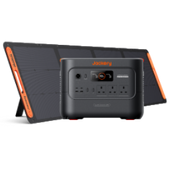
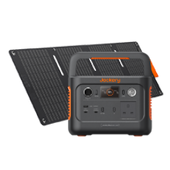
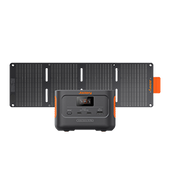
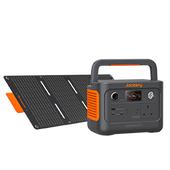

























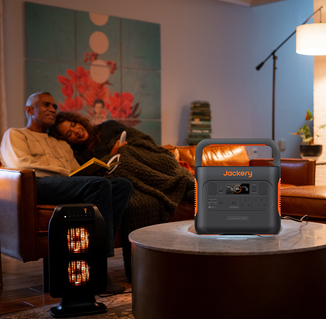













As demand for energy storage and portable power solutions increases, so does the need to understand the intricacies of battery technology.
This is why many UK buyers try to determine how long a battery charge will last. You don't want to get a battery pack out of storage for your upcoming whirlwind trip to Greece only to find it cannot hold more than a 25% charge, even after being plugged in all night. You want a solution that is battery-efficient, long-lasting, and reliable for charging, no matter where you go next.
Enter the LiFePO4 battery, also known as the Lithium Iron Phosphate battery. This is a well-known energy solution because of its unique properties and advantages over other options. The LiFePO4 battery is rapidly becoming a preferred choice for many, especially in portable power solutions. But does it stand up to the test of time? How does it fare when left unused? And how does it compare to its counterparts in terms of self-discharge?
As demand for energy storage and portable power solutions, such as the Jackery Portable Power Stations, increases, understanding the intricacies of LiFePO4 batteries' self-discharge becomes crucial.
|
Key Takeaways: |
|
Does a Battery Lose Charge When Not in Use?
Yes. A battery can lose charge even when it is not being used, and this happens for two main reasons. The first is self-discharge. This is the natural loss of energy caused by internal chemical reactions inside the battery, even when nothing is connected to it.
The second is parasitic drain. This happens when the battery is still connected to something that quietly uses power, such as a car alarm, clock, ECU, inverter, battery monitor, or BMS.
A battery is not like a sealed bottle of electricity. It stores energy through chemistry, and chemistry never stays perfectly still. Even when the battery is sitting on a shelf, tiny internal reactions continue happening. Over time, those reactions slowly reduce the amount of stored energy.
How fast does it lose charge?
A healthy battery left unused for a few days usually loses very little. Over a few weeks or months, the loss becomes more noticeable. If it sits for a very long time, the battery may become too weak to work properly, and in some cases it can be permanently damaged.
It depends on the battery type:
|
Battery type |
Typical self-discharge rate |
|
LiFePO4 |
about 1% to 3% per month |
|
Lithium-ion |
about 2% to 5% per month |
|
Lead-acid |
about 3% to 15% per month |
|
AGM |
usually lower than flooded lead-acid |
|
Nickel-based batteries |
usually much faster |
Understanding the Details of Self-Discharge Batteries
Regardless of its type or the device it powers, every battery undergoes a phenomenon called 'self-discharge.' This is when a battery gradually loses its charge over time, even if not connected to a device.
How quickly that rate of self-discharge occurs and the extent of future use of your battery pack will drastically differ on a ton of different factors. Each of these issues will dramatically impact how well your battery works over its intended lifespan – especially when it comes to efficient charging itself or your plethora of devices.
What affects your rate of self-discharge? It will depend on your product. Portable power stations using a LiFePO4 leisure battery are bound to be more reliable than others. However, some factors that can impact self-discharge, even in a LiFePO4 battery, include:
- Temperature: Whenever the temperature gets too high, the electrochemical material around the battery pack will change in activity rates. Side reactions can occur, drastically impacting positive, negative, and electrolytes as they become more intense and lose the capacity for a charge.
- State of Charge: If you always keep your batteries at 100% charged by plugging them in, then you will have a higher self-discharge rate. It is better to let your battery drain a little so that you can still get that capacity when you need a full charge.
- Battery Lifespan: The more batteries age, the harder it is to maintain a charge. The chemical and internal composition degrade a little over time, making it much harder to build a charge up to 100%. A great example of this is your smartphone. Go and check on its capacity even after a month's use, and you'll see self-discharge.

LiFePO4 vs. Lead-Acid Batteries
When it comes to self-discharge rates, LiFePO4 batteries have a distinct advantage over traditional lead-acid batteries. LiFePO4 batteries generally exhibit a lower self-discharge rate, making them ideal candidates for long-term storage. This ensures that devices powered by these batteries remain functional even after prolonged periods of inactivity.
The primary difference between a LiFePO4 battery and a lead acid option is that the life cycle for a LiFePO4 battery is over 4,000 (10 years daily). That is 8 times what you can expect from a flooded lead-acid battery that only gets 500 life cycles (1-2 years).
Then there are factors like weight. Lead acid batteries are much like those you find in cars, golf carts, or heavy lawn equipment. They weigh quite a bit and cannot recover from a discharge below 20%.
|
State of Charge |
LiFePO4 (12V) |
Lead-Acid (12V) |
|
100% |
13.4V–13.6V |
12.7V–12.8V |
|
90% |
13.3V |
12.6V |
|
80% |
13.2V |
12.5V |
|
70% |
13.1V |
12.4V |
|
60% |
13.0V |
12.3V |
|
50% |
13.0V |
12.2V |
|
40% |
12.9V |
12.1V |
|
30% |
12.8V |
11.9V–12.0V |
|
20% |
12.5V |
11.8V |
|
10% |
12.0V |
11.6V |
|
0% |
10.0V–11.0V |
10.5V–11.0V |
LiFePO4 batteries hold a much flatter voltage curve. That means the voltage stays fairly steady for most of the discharge cycle, then drops faster near the end. Lead-acid batteries show a more gradual voltage decline, so voltage is a more useful rough indicator of remaining charge.
The final part you need to worry about is leakage. Even though it is rare, lead acid batteries have chemicals in liquid form that can get outside the casing and cause a serious mess and potential damage to you and your family. The better option is always going to be a portable power station from Jackery that uses a LiFePO4 battery. Recognising the prowess of LiFePO4 batteries, companies like Jackery have incorporated them into their line of Portable Power Station, ensuring longevity and reliability.
The Role of the Battery Management System (BMS)
Anytime you want to look at a solar generator and battery backup system, you should consider how the Battery Management System (BMS) powering these components works. Why? Because that will inform you of how well the overall efficiency and balancing can improve the lifespan of your LiFePO4 battery pack.
Jackery Portable Power Stations use advanced BMS to ensure you get the most out of your investment. This way, you can enjoy outdoor lighting while on a road trip to Leeds or a relaxing BBQ with the family in Stanford.
What is a Battery Management System (BMS)?
At its core, a BMS is an electronic system that manages and monitors the performance of rechargeable LiFePO4 batteries. Think of this as the 24/7 security guard operating the various screens and equipment at a power station.
The BMS will calculate different information that oversees essential battery functions. This, in turn, ensures you get decent longevity, optimal safety, and overall safety whenever you need a power station outside or indoors.
For LiFePO4 batteries, in particular, the BMS becomes an indispensable component, given the unique attributes and potential vulnerabilities of these battery types. There are many multifaceted, critical functions Jackery's BMS conducts. The more essential include:

- Cell Balancing: Battery cells, over repeated charging and discharging cycles,can develop imbalances in their charge states. The more imbalanced your battery packs, the harder it is to maintain efficiency, and the more likely you'll see a drop in battery lifespan. Jackery's BMS works hard to maintain a balanced state of charge, optimising the performance and longevity of your LiFePO4 battery charger.
- Temperature Monitoring: Temperature fluctuations can significantly impact the health and safety of a battery. Extreme temperatures, whether too high or too low, can damage battery cells or even pose safety risks. Without the BMS in place, your LiFePO4 battery cells can shift in composition due to heat or cold. Once that happens, it is tough to recoup the charge capacity naturally.The BMS will take proactive measures to adjust the charging rate or even shut it down in some instances to prevent cellular damage.
- Overcharge/Discharge Protection: Every battery has its limits built into the lifespan. If you consistently overcharge or discharge a battery, you can impact its efficiency or potentially damage its overall composition. The BMS from Jackery and an attached solar generator monitor the max and min charge capacity of associate LiFePO4 battery packs – preventing any threshold issues.
- Voltage and Current Monitoring: Continual monitoring of the voltage and current is essential for the smooth functioning of the battery. Any unwanted anomalies or sudden spikes in usage can and will create potential problems. The BMS keeps a close eye on these parameters, ensuring they remain within the designated safe limits.
Selecting a Jackery Power Station for Your Battery Needs
We live in a fast-paced, power-driven time when the need for reliable, high-capacity, portable power solutions is next to pretty much anything else. You want a simplified solution that can give you all the power you need for your puppy's mobile cleaning stations and all the digital devices you need on your family's road trip to the coast.
At the top of any shopping list is going to be the team behind Jackery. With this internationally facing company, well aware of the unique power and electricity needs of the UK, you get decades of experience offering premium quality portable power stations in the UK. Many of these options include LiFeOP4 battery solutions that can give you all the electricity and rechargeable efficiency when you're away from home.
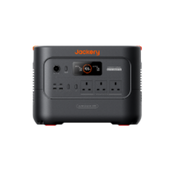
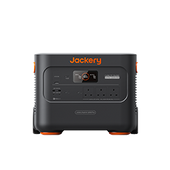
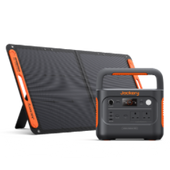
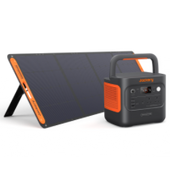
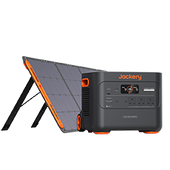
Some of the more creative solutions include the Jackery Explorer 3000 v2 Portable Power Station and the Jackery Explorer 2000 v2 Portable Power Station. Both products embody Jackery's commitment to superior quality, cutting-edge technology, and customer-centric design.
Jackery Explorer 3000 v2
The Jackery Explorer 3000 v2 is a significant technical upgrade over the original "Pro" series, particularly in how it addresses long-term storage and battery health. If your primary concerns are how long it stays charged on a shelf (self-discharge) and how many years it will last (lifespan), it is currently one of the most resilient high-capacity units on the market.

Self-Discharge: The "ZeroDrain" Advantage
Standard power stations often lose 5–10% of their charge per month due to internal "vampire" power draw (BMS sensors, Bluetooth/Wi-Fi standby). The 3000 v2 uses ZeroDrain Technology to solve this. It can retain up to 95% of its charge after a full year in storage. This makes it an ideal "set and forget" unit for emergency backup or seasonal RV use.
The internal management system operates at a microamp level when powered down, ensuring the energy you store today is still there when a storm hits six months from now.
Lifespan: LiFePO4 & ChargeShield 2.0
The move from the Lithium-ion (NMC) chemistry found in the 3000 Pro to LiFePO4 (LFP) in the 3000 v2 is the single biggest factor for longevity.
- 4,000+ Cycle Life: The unit is rated for 4,000 charge cycles to 70% capacity. In practical terms, if you fully discharged and recharged it every single day, it would still provide substantial power for over 10 years.
- ChargeShield 2.0: This AI-powered charging algorithm monitors the battery in real-time to prevent overheating and chemical stress. It is designed to extend the battery's service life by up to 50% compared to standard charging methods.
- Battery-Saving Mode: Through the app, you can enable a specific mode that caps charging at 85% and discharge at 15%. This reduces chemical wear on the cells, potentially adding several more years to the unit's total lifespan.
|
Features of Jackery Explorer 3000 v2 |
|
|
Capacity |
3072Wh |
|
Cell Chemistry |
LiFePO4 4000 cycles to 70%+ capacity |
|
Weight |
About 59.5 lbs (27 kg) |
|
Dimension |
16.4 x 12.8 x 12 in (41.6 x 32.5 x 30.5 cm) |
|
Output Ports |
AC Output: 3 Ports, 230V~ 50Hz, 13A Max, 3600W Total, 7200W Surge peak USB-A Output: 2 Ports, 18W Max, 5-6V⎓3A, 6-9V⎓2A, 9-12V⎓1.5A USB-C Output: 2 Ports, 100W Max, 5V⎓3A, 9V⎓3A, 12V⎓3A, 15V⎓3A, 20V⎓5A Car Port: 12V⎓10A |
|
Recharging Methods |
AC+DC (54V) Charging: 1.4 Hrs AC Charging: 1.8 Hrs Solar Input 1000W Max: 3.5 Hrs 1 x SolarSaga 200W: 22 Hrs Car Charging 12V: 36 Hrs |
Jackery Explorer 2000 v2
The Jackery Explorer 2000 v2 follows the same "longevity-first" philosophy as the 3000 v2, but it prioritizes portability and high energy density. It is currently the lightest 2kWh unit in Jackery's lineup, making it a "sweet spot" for those who need high capacity without the 60+ lb (27+ kg) weight of the "Plus" or "Pro" series.

Lifespan: The 10-Year Promise
Like the 3000 v2, the 2000 v2 has transitioned to LiFePO4 (LFP) chemistry, which is the gold standard for durability.
- 4,000+ Charge Cycles: It is rated to retain 70% of its original capacity even after 4,000 full charge cycles. If you use it three times a week, that is over 25 years of service life; even with daily heavy use, it’s a 10-year machine.
- Thermal Efficiency: One of the reasons for its long life is its improved efficiency. It runs roughly 30% cooler than the older 2000 Pro model, which reduces the chemical degradation of the battery cells over time.
- ChargeShield 2.0: It uses the same AI charging algorithms as the 3000 v2 to prevent "over-stressing" the cells during fast-charging sessions (which can reach 80% in just about an hour).
Self-Discharge: Ready for Emergencies
The 2000 v2 is specifically marketed as an emergency backup unit because of its ZeroDrain technology.
12-Month Standby: It maintains 95% of its charge after a full year of sitting idle.
Low Idle Draw: While older 2kWh units might lose significant power if you leave the "Display" or "Bluetooth" on by accident, the v2 has a highly optimized standby mode that aggressively cuts power to non-essential internal sensors.
|
Features of Jackery Explorer 2000 v2 |
|
|
Capacity |
2042Wh |
|
Cell Chemistry |
LiFePO4 4000 cycles to 70%+ capacity |
|
Weight |
38.6 lbs (17.5 kg) |
|
Dimension |
13.2 × 10.4 × 11.5 in (33.5 × 26.4 × 29.2 cm) |
|
Output Ports |
AC Output: 2 Ports, 230V ~ 50Hz, 10A Max, 2200W Rated, 4400W Surge peak USB-A Output: 1 Port, 18W Max, 5-6V⎓3A, 6-9V⎓2A, 9-12V⎓1.5A USB-C Output: 2 Ports, USB-C1: 30W Max, 5V⎓3A, 9V⎓3A, 12V⎓2.5A, 15V⎓2A, 20V⎓1.5A; USB-C2: 100W Max, 5V⎓3A, 9V⎓3A, 12V⎓3A, 15V⎓3A, 20V⎓5A Car Port: 12V⎓10A |
|
Recharging Methods |
Emergency Charging (AC) via App : 1.33 Hrs Wall Charging: 1.7 Hrs 400W Solar Input: 5.5 Hrs Car Charging: 24 Hrs |
Why Choose a Jackery Product with a LiFePO4 Battery?
Jackery's unwavering dedication to delivering unparalleled portable power solutions is evident in its line-up. By incorporating LiFePO4 batteries in their products, Jackery ensures users get the best of both worlds—high performance and durability.
This isn't some off-the-shelf power charger that tends to bust out when the temperature gets too hot or after only a short operation of use. These are premium quality solutions that you can rely on for years (with the guarantee from Jackery to back them up!).
When you choose a Jackery Solar Generator or Portable Power Station with a LiFePO4 battery in the UK, you get the following:
Low Self-Discharge: LiFePO4 batteries inherently have a lower self-discharge rate. You get much longer charge retention that helps with long-term storage or usage in your caravan, car, camping gear, outbuilding, or cabin.
Safety: These batteries are known for their stability, reducing the risk of overheating or catching fire, and ensuring user safety.That offers a lot of peace of mind when you consider how many younger users rely on battery packs for mobile devices or gaming gear.
Eco-Friendly: LiFePO4 batteries are less harmful to the environment compared to other battery types, aligning with the green initiatives of the UK government and ensuring you get a brand that supports your social efforts.
Longevity: These batteries boast a longer lifespan, ensuring that users get the most out of their investment. With up to 10 years of daily use, that is a long time to enjoy outdoor camping, remote work, and so much more.
Optimised Performance: LiFePO4 batteries, coupled with Jackery's cutting-edge technology, ensure that users receive consistent power output, making it ideal for a plethora of applications, from outdoor adventures to emergency power back-ups.

How Long Do Jackery Portable Power Stations Last?
Jackery Portable Power Stations can last from a few years to around 10 years or more, depending on the model, battery chemistry, and how often you cycle it. Newer LiFePO4 Jackery models such as the Explorer 1000 v2, Explorer 2000 v2, and Explorer 2000 Plus are advertised with about 4,000 charge cycles to 70% capacity and a 10-year lifespan under typical daily use.
This does not mean the power station stops working after that number. It means the battery is expected to retain about 70% of its original capacity after those cycles, so it will still work, but it will store less energy than when new.
For example, Jackery’s current product pages state that the Explorer 1000 v2 has a LiFePO4 battery, a lifespan of up to 10 years, and 4,000 charge cycles at 70% capacity. The Explorer 2000 v2 is also listed at 4,000 cycles, and Jackery says the battery keeps at least 70% of original capacity after 4,000 full charge cycles.
In real use, how long a Jackery lasts depends on a few things: how often you fully discharge it, whether you store it in heat, how fast you recharge it, and whether it spends long periods at 0% or 100%.
How to Prevent LiFePO4 Battery Power Loss?
To prevent LiFePO4 battery power loss, the main goal is to reduce both self-discharge and unwanted drain from connected devices. LiFePO4 batteries hold charge better than lead-acid batteries, but they still lose some power over time, especially if they are stored the wrong way or left connected to small loads.
Tip 1: Store the battery at the right charge level
One of the best ways to reduce power loss is to store the battery at a moderate state of charge, not fully empty and not always fully full.
For long-term storage, LiFePO4 batteries are usually best kept at around 50% to 80% charge. Storing them at 100% for a very long time can put more stress on the cells, while storing them too low increases the risk of the voltage dropping too far during storage.
Tip 2: Disconnect all loads
A LiFePO4 battery may appear unused, but if it is still connected to an inverter, controller, alarm, Bluetooth monitor, or other electronics, those devices can slowly drain power.
Tip 3: Store it in a cool, dry place
Heat speeds up internal chemical reactions and increases power loss. A LiFePO4 battery stored in a hot shed, garage, or vehicle will normally lose charge faster than one stored in a cool indoor space.
Tip 4: Check the battery periodically
Even though LiFePO4 batteries store well, they should not be forgotten for too long. Check the battery voltage or state of charge from time to time, especially during long storage periods.
Tip 5: Avoid deep discharge
Letting a LiFePO4 battery run too low and then leaving it in that state can lead to problems. In some cases, the BMS may shut the battery down to protect the cells. If the voltage stays too low for too long, recovery may become difficult.
Tip 6: Balance the cells when needed
If the cells in a LiFePO4 battery pack become unbalanced, performance may drop and the battery may appear to lose usable energy faster. Keeping the cells balanced helps the battery charge and discharge more evenly.
In many batteries, the BMS handles balancing automatically. But in larger battery systems, regular checks may still be useful.
FAQs
The following are frequently asked questions about the LiFePO4 battery power loss.
1. How do you wake up a dead LiFePO4 battery?
To revive a "dead" LiFePO4 battery (often just in protection mode due to low voltage), disconnect all loads, allow it to rest for 30 minutes, and use a charger with a lithium activation function or an adjustable power supply set to ~14V. Alternatively, jump-start it by connecting it to another battery briefly.
2. What is the 40 80 rule for lithium batteries?
The “40–80 rule” suggests keeping the state-of-charge (SoC) of lithium-ion batteries between ~40% and ~80% to reduce stress and extend lifespan. Avoiding full charges (100%) and deep discharges (0% or near) significantly reduces chemical and thermal stress inside the battery cells.
3. Why is my LiFePO4 battery draining so fast?
These include battery age, over or undercharging, exposure to extreme temperatures, or sulfation. If your battery drains fast, it also most likely means that you need to replace it, and nobody wants that, especially if you haven't used it enough to get your money's value.
4. Is it normal to lose 10% battery in 1 hour?
It can be normal, but it depends on what battery you mean and what was using power during that hour. For example, losing 10% in 1 hour is very different for:
A phone
A laptop
A portable power station
A car battery
A LiFePO4 battery in storage
Final Thoughts
Yes, the world of batteries you can choose from varies a ton. Trying to find a cost-effective and long-term solution takes a bit of research. That is why picking a LiFePO4 battery is such a good choice, especially from Jackery.
Instead of having to worry about discharge or lifespan cycles, go with an option that ensures you get all the power solutions you need on the road, while camping, in a tiny house, or even the next time your uncle wants to go ice fishing and you still want a smartphone to stream Netflix in between catches.


