













































The lights go out, the router stops working, and the first question is simple: is it just your home, your street, or a wider power cut?
For households searching Scottish Power power cut today or Scottish Hydro Electric power cut today, the fastest response starts with checking the correct network outage map, protecting appliances, and keeping essential devices running safely. This guide explains what to check first, how long outages may last, and how to prepare before the next interruption.
|
Key Takeaways: |
|
Scottish Power Power Cut Today – What’s Happening Right Now?
When people search for Scottish Power power cut today, they usually want a fast answer to one question: is the problem inside my home, on my street, or across the wider electricity network? The answer depends on where you live and which network operator covers your area.
ScottishPower is a familiar name for many UK households, but a power cut is not always caused or managed by your energy supplier. In many cases, the fault sits with the local electricity distribution network, which is responsible for the cables, substations and equipment that bring power into homes and businesses. That is why checking your postcode on the relevant power cut map, or calling 105, is often the quickest first step.
Searches such as Scottish Hydro Electric power cut today or Scottish Hydro power cut today usually relate to parts of Scotland covered by Scottish and Southern Electricity Networks rather than ScottishPower Energy Networks. This matters because a home in Glasgow, Dumfries, Aberdeen or the Highlands may need to check a different outage tracker, even if the search wording looks similar.
A local fault can affect one property, a few houses, one street or a small cluster of postcodes. This may be caused by damaged service cables, a blown fuse, equipment failure or a fault linked to nearby works. A wider network outage can affect villages, towns or larger areas when substations, overhead lines or underground cables are disrupted.
Common reasons for a power cut in Scotland include high winds, falling trees, lightning, flooding, snow and ice, planned maintenance, damaged cables, faults at substations, roadworks, accidental third-party damage and pressure on older local infrastructure. In coastal and rural areas, exposed overhead lines may face more weather-related stress than underground cables in dense urban streets.
Regional Impact – Why Some Areas Lose Power More Often?
Power cut risk is not spread evenly. Urban areas often benefit from denser infrastructure, easier engineer access and more alternative supply routes. Rural homes, islands and remote communities may rely on longer overhead lines crossing open land, hills, woodland or coastal routes. When severe weather hits, repairs can also take longer because engineers may need to reach difficult locations safely.
Scotland’s weather makes this especially important. Strong winds, winter storms, heavy rain, snow and ice can all affect exposed parts of the network. Infrastructure age also plays a role: some areas have newer equipment and stronger grid reinforcement, while others depend on older local assets that may need more maintenance over time. That is why two nearby households can experience very different levels of reliability.
How to Check If There Is a Power Cut in Your Area?
The quickest way to check a power cut is to start with your postcode. For homes in central and southern Scotland, the SP Energy Networks power cut map lets you search, report and track an outage in the local network area.

Power Track Tool
For parts of northern Scotland, the Highlands and other areas often linked to Scottish Hydro Electric power cut today searches, SSEN’s Power Track tool is usually the relevant outage map. You can also call 105 for free, which connects you to the right local network operator for power cut emergencies.
Online Outage Maps
Online outage maps are useful because they show whether the problem has already been reported, how many properties may be affected, the estimated restoration time and whether engineers are on site. Customer service updates, SMS alerts and social media posts may also give extra context during storms or large regional faults, but the postcode checker is usually more accurate for your own street.
Smart Meter
Inside the home, your smart meter or in-home display can offer clues, but it should not be treated as the final answer. If the display has gone blank, the meter has no visible power, and your neighbours are also affected, the issue is likely to be a wider supply interruption. If your smart meter still appears active but only part of the home has lost power, check the consumer unit, trip switches and individual circuits first.
It also helps to check whether the outage affects only your property. Look outside for streetlights, ask nearby neighbours, and check whether mobile data is still working. Never touch damaged overhead lines, fallen cables or exposed electrical equipment. Report those immediately through 105.
When to Contact Scottish Power Support?
Contact ScottishPower customer support when the issue appears linked to your account, meter, prepayment credit, billing status or a possible meter fault rather than the wider electricity network. ScottishPower’s own support page for “off supply” issues advises customers to use support channels and call if the issue remains unresolved, with a separate route for suspected meter faults outside normal hours.
Before escalating, prepare your postcode, full address, meter type, account number if available, what happened before the power went off, whether neighbours are affected, and any error message shown on the meter or in-home display. This makes it easier to separate a home-level fault from a network outage and helps the right team respond faster.
How Long Do Power Cuts Usually Last in Scotland?
Power cuts in Scotland can last from a few minutes to several hours, depending on the cause, location and weather conditions.
For a Scottish Power power cut today search, the best guide is still the live outage map for your postcode, because restoration times can change as engineers inspect the fault. A small street-level issue in Glasgow will not follow the same repair pattern as storm damage on an exposed rural line in the Highlands.
For minor local faults, many supplies are restored relatively quickly once the network operator has located the problem. These faults may involve a blown fuse, damaged underground cable, faulty local equipment or an issue at a nearby substation. In normal weather, UK electricity network operators work under Guaranteed Standards. Ofgem explains that local network companies usually have either 12 or 24 hours to restore supply, depending on the type and scale of the power cut.
Weather-related outages can take longer, especially after storms, flooding, snow or high winds. In Scotland, this is often because faults may be spread across large areas, roads may be blocked, overhead lines may be damaged by trees, and engineers must make the site safe before reconnecting homes. A search for Scottish Hydro power cut today during bad weather may show estimated restoration times moving during the day, as crews find additional damage or prioritise high-risk faults. SSEN explains that different standards apply in more extreme weather events, and storm compensation rules may begin after longer periods such as 24 or 48 hours, depending on storm category.
Planned maintenance is different. In this case, the network operator normally gives advance notice because the power is being turned off to upgrade, repair or safely maintain the local network. These outages are usually scheduled within a fixed time window, often during working hours, though the supply may return earlier if the work finishes ahead of schedule.
Power Cut Kit Checklist
A power cut kit should be simple, easy to find and ready before the lights go out. Keep the most important items in one box, drawer or cupboard so everyone in the household knows where to look.

- Torch and spare batteries: A torch is safer than candles, especially around children, pets, curtains and soft furnishings. Keep one near the front door and another upstairs.
- Battery-powered or wind-up radio: Mobile networks can become unreliable during wider outages. A radio helps you follow local weather, travel and emergency updates.
- Fully charged power bank: Use it for mobile phones, tablets, Wi-Fi hotspot devices or small USB lights. Recharge it regularly, not only when bad weather is forecast.
- Warm clothing and blankets: Heating systems may stop working during a power cut, even if they use gas, because boilers often need electricity to run controls and pumps.
- Drinking water and ready-to-eat food: Keep bottled water, snacks, tinned food and a manual tin opener available. Avoid relying on electric cookers or microwaves.
- Basic first aid kit: Include plasters, antiseptic wipes, pain relief, any regular medication and a printed list of emergency contacts.
- Important documents and contact numbers: Write down your electricity network operator, ScottishPower account details if relevant, insurance contact, GP number and 105 for power cut reporting.
- Fridge and freezer thermometer: This helps you judge whether food has stayed at a safe temperature after the supply returns.
- Baby, pet or medical essentials: Prepare formula, nappies, pet food, mobility aids, spare batteries for medical devices and any specialist equipment.
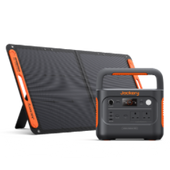
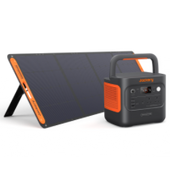
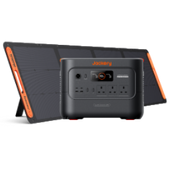
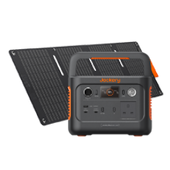
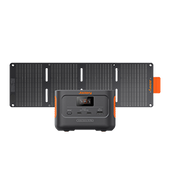
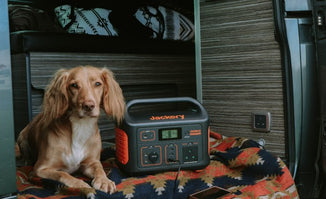
- Backup power option: For households that need to keep phones, routers, lighting or essential appliances running for longer, a home battery or portable backup system can add useful resilience.
What Should You Do Immediately During a Power Cut?
When the power goes off, the first step is to stay calm and work out whether the issue is inside your home or part of a wider outage. Check your consumer unit only if it is safe to do so. If a trip switch has moved, unplug sensitive appliances before resetting it. If the whole property is off and your neighbours are also affected, treat it as a network power cut and check the local outage map or call 105.

Protect Your Appliances First
Start by switching off or unplugging computers, televisions, gaming consoles, electric heaters, kitchen appliances and other sensitive electronics. This reduces the risk of damage from a sudden surge when electricity returns. Leave one light switched on so you know when the supply has been restored.
Keep the Fridge and Freezer Closed
Avoid opening the fridge and freezer unless necessary. A closed fridge can keep food cold for several hours, while a full freezer usually holds its temperature better than a half-empty one. If the outage lasts longer, use a thermometer to check food safety rather than judging by appearance or smell.
Save Phone Battery and Keep Communication Open
Keep communication devices stable. Put phones on low-power mode, reduce screen brightness and avoid unnecessary streaming. If the mobile signal is weak, move near a window or use SMS instead of voice calls, as texts may go through more easily. A charged power bank can keep one phone available for emergency updates, outage tracking and family contact.
Stay Warm Safely in Winter
Heating needs careful attention, especially in winter. Many gas boilers still need electricity for ignition, pumps and controls, so they may stop working during a power cut. Close curtains, keep internal doors shut, wear layers and gather in one warmer room. Do not use outdoor barbecues, camping stoves or petrol generators indoors, in garages or near open windows because of the risk of carbon monoxide poisoning.
Support Medical and Priority Needs
If anyone in the home relies on medical equipment, mobility aids, stairlifts or refrigerated medicine, contact the network operator and check whether the household is registered for the Priority Services Register. Keep spare batteries and emergency contact numbers written down, not only stored on a phone.
Reconnect Devices Gradually When Power Returns
When the power comes back, do not switch everything on at once. Wait a few minutes, then reconnect appliances gradually. Start with essential devices such as the fridge, freezer, router and heating controls. Check clocks, alarms, smart plugs and Wi-Fi-connected equipment, as some may need resetting.
Focus on Essentials During Longer Outages
During longer power outages, prioritise essentials: lighting, communication, warmth, food safety and medical needs. A clear routine helps prevent panic and avoids wasting limited backup power on non-essential devices.
How to Keep Essential Devices Running During an Outage?
During a power cut, the goal is not to run the whole home as normal. The priority is to keep essential devices working: communication, lighting, basic heating controls where possible, food storage and any small medical or care-related equipment. A clear backup plan helps you avoid wasting limited power on non-essential appliances.
Backup Power Options for UK Households
Traditional petrol or diesel generators can provide high output, but they are noisy, require fuel storage and must only be used outdoors in a safe, well-ventilated position. They are better suited to workshops, farms or properties with enough outdoor space, not flats or enclosed urban homes.
Battery backup systems are quieter and easier to use indoors, provided they are used according to the manufacturer’s instructions. They are useful for routers, phones, LED lights, laptops, small pumps and low-power medical devices. The main limitation is capacity: the more devices you plug in, the faster the battery drains.
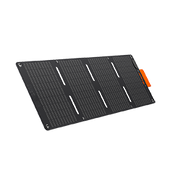
Solar-supported storage solutions add another layer of resilience. If solar panels are connected and conditions allow, the system can recharge during daylight, which is useful during longer outages. Output still depends on panel size, weather, season and battery capacity, so it should be planned around essentials rather than heavy loads.
For most UK households, the first backup list should include:
- WiFi/router: useful for outage updates, remote work and messaging if the broadband line is still active.
- Mobile charging: one or two phones should be prioritised over tablets and entertainment devices.
- Lighting: LED lamps use far less energy than large mains-powered lights.
- Medical or essential small devices: CPAP machines, monitors, mobility equipment chargers or medicine fridges may need a dedicated backup plan.
Why Battery Storage Is Becoming More Relevant in the UK
Battery storage is becoming more relevant because households depend more on electricity for work, communication and daily routines. Remote working means a short outage can interrupt meetings, cloud systems and customer contact.
Weather disruption also makes backup planning more important, especially in rural Scotland, coastal areas and places exposed to storms. At the same time, energy cost sensitivity has made households more interested in storing electricity for practical use rather than relying only on the grid.

Jackery SolarVault 3 Series fits this situation as a modern home backup energy solution for households that want a quieter battery-based option for essential loads. It can support selected devices during outages and work with solar input where suitable, making it more flexible than a simple power bank.
The Jackery SolarVault 3 Series is Jackery’s next-generation home solar storage solution, designed to help households generate, store, and use solar energy more efficiently. The series includes the SolarVault 3 Pro, SolarVault 3 Pro Max, and SolarVault 3 Pro Max AC, offering flexible options for balcony solar systems, existing PV installations, and larger home energy setups. With an integrated inverter, LiFePO4 battery technology, smart energy management, and expandable storage from 2.52 kWh to 15.12 kWh, the SolarVault 3 Series brings solar storage into a compact, modular, all-in-one system.
|
SolarVault 3 Series capacity |
Approx. runtime at 100W essential load |
Approx. runtime at 300W mixed load |
Example use |
|
2.52 kWh |
About 21–23 hours |
About 7–8 hours |
Router, phones, LED lighting |
|
5.04 kWh |
About 42–45 hours |
About 14–15 hours |
Essentials plus laptop use |
|
7.56 kWh |
About 64–68 hours |
About 21–23 hours |
Longer outage support |
|
10.08 kWh |
About 85–91 hours |
About 28–30 hours |
Essentials plus fridge cycles |
|
15.12 kWh |
About 128–136 hours |
About 42–45 hours |
Extended backup planning |
These figures are estimates based on usable battery capacity with normal conversion losses. Real runtime depends on appliance wattage, start-up loads, temperature, battery settings and whether solar charging is available during the outage.
What Not to Do During a Power Cut?
A power cut can feel inconvenient, but the biggest problems often come from unsafe reactions: using the wrong heat source, overloading sockets, wasting phone battery or reconnecting appliances too quickly. These are the main things to avoid while waiting for the supply to return.

Do Not Open the Fridge or Freezer Repeatedly
Every time the door opens, cold air escapes. Keep the fridge and freezer closed as much as possible, especially if the outage may last several hours. Use food that does not need chilling first, and check temperatures once the power returns before deciding what to keep.
Do Not Use Generators Indoors
Petrol or diesel generators must never be used inside the home, garage, shed, conservatory or near open windows. They can produce carbon monoxide, which is dangerous because it cannot be seen or smelled. The same rule applies to barbecues, camping stoves and outdoor heaters.
Do Not Reconnect Everything at Once
When electricity comes back, avoid turning on all appliances immediately. Sudden demand can overload circuits or damage sensitive electronics. Reconnect essentials first, such as the fridge, freezer, router and heating controls, then add other devices gradually.
Do Not Touch Fallen Cables or Damaged Equipment
Stay away from fallen overhead lines, damaged substations, exposed cables or sparking equipment. Keep children and pets away from the area and report it through 105 or emergency services if there is immediate danger.
Do Not Rely Only on Your Phone
Phones are useful for outage maps and updates, but battery life can disappear quickly. Avoid streaming, gaming or unnecessary video calls. Use low-power mode and keep one device reserved for emergency communication.
Do Not Use Candles Carelessly
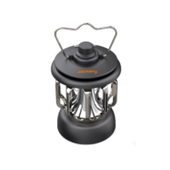
Candles can create a fire risk, especially around curtains, pets and children. Torches, lanterns and battery-powered LED lights are safer options. If candles are used, place them on stable, heat-resistant surfaces and never leave them unattended.
Do Not Ignore Vulnerable Household Needs
Do not wait until the battery is low or the house is cold before making a plan. If someone relies on medical equipment, refrigerated medicine, mobility devices or care support, prioritise their needs immediately and check whether extra help is available through the Priority Services Register.
Preventing Future Disruption – What Households Can Prepare?
Power cuts cannot always be prevented, especially during storms or local network faults, but households can reduce the disruption with a simple preparation plan. The aim is to make the first few hours easier, safer and less stressful.
- Save the right contact details: Keep 105, your local network operator, ScottishPower support details and any care or medical contacts written down as well as saved on your phone.
- Check your outage map before bad weather: If storms are forecast, know whether your area is covered by SP Energy Networks, SSEN or another distribution network operator.
- Keep a ready power cut box: Store torches, batteries, a first aid kit, power banks, bottled water, snacks, warm layers and a battery-powered radio in one accessible place.
- Charge devices early: Before severe weather arrives, fully charge phones, laptops, power banks and any rechargeable lights.
- lan for heating: Know how your boiler, thermostat and controls behave during a power cut. Keep blankets, thermal clothing and draught protection available.
- Protect important appliances: Use surge-protected extensions where suitable and unplug sensitive electronics during an outage.
- Prepare food storage: Keep freezer packs ready and avoid running the fridge or freezer near empty if bad weather is expected.
- Support vulnerable needs: Register eligible household members for the Priority Services Register if they rely on medical equipment, mobility devices or extra communication support.
- Consider backup power: For frequent outages, remote work or essential small devices, a battery backup or solar-supported storage system can provide extra resilience.
FAQs
The following are the frequently asked questions about the Scottish power cut today:
1. Is there a problem with ScottishPower today?
There may be a supply issue in your area, but it is important to check whether the problem is with ScottishPower, your local electricity network, your meter or your home’s wiring. Use your postcode on the relevant power cut map first. If you are in central or southern Scotland, check SP Energy Networks. If you are in northern Scotland or an area often searched as Scottish Hydro Electric power cut today, check SSEN Power Track.
2. Is there a power cut in my area in Scotland?
The quickest way to check is to enter your postcode into the correct local distribution network operator’s outage map. You can also call 105 for free from most phones. This connects you to the electricity network operator responsible for power cuts in your area.
3. How can I check if there's a power cut in my area?
Check three things: your consumer unit, nearby homes or streetlights, and the online outage map for your postcode. If only your home is affected, it may be a trip switch, meter issue or internal electrical fault. If neighbours are also affected, it is more likely to be a network power cut.
4. What time does ScottishPower cut off?
ScottishPower does not normally “cut off” electricity at a fixed daily time. If you have lost power, it is more likely to be a network fault, planned maintenance, meter issue or account-related problem. Planned outages should usually be notified in advance by the network operator.
5. How do I contact Scottish Power about power cut?
For a power cut, call 105 first or use the local network outage map. Contact ScottishPower support if the issue appears related to your meter, prepayment credit, account, tariff or billing rather than a wider network fault. Have your postcode, address, meter details and account number ready.
6. How long can a fridge go without power in the UK?
A fridge can usually keep food cold for several hours if the door stays closed. Avoid opening it repeatedly. A full freezer normally keeps food frozen longer than a half-empty one. After a longer outage, use a fridge or freezer thermometer and follow food safety guidance rather than relying on smell or appearance alone.
7. What is the first thing you do when the power goes out?
Check whether the problem is only in your home. Look at your consumer unit if safe, check whether neighbours or streetlights are affected, then search your postcode on the relevant power cut map or call 105. After that, unplug sensitive appliances, keep one light switched on, save phone battery and prioritise heating, communication, lighting and medical needs.
Final Thoughts
A power cut is easier to manage when you know what to check, who to contact and which devices matter most. Start with your postcode, confirm whether the issue is local or network-wide, then protect appliances and prioritise essentials. For households affected by repeated outages, especially in rural or weather-exposed areas, a prepared kit and reliable backup power plan can reduce stress and keep daily routines safer.


