



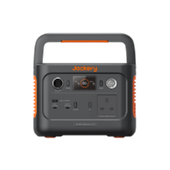


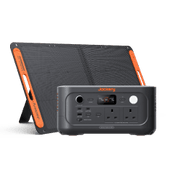


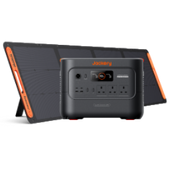
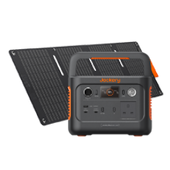


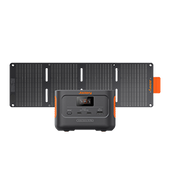

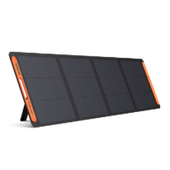
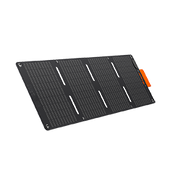





































A £600 balcony solar kit and a £10,000 rooftop solar battery quote can both look like routes to lower electricity bills, but they are not buying the same thing. One may only offset small daytime loads; the other may include roof work, an inverter, battery storage, grid paperwork and commissioning.
The UK picture is also changing: the government’s June 2026 plug-in solar consultation focused on systems without batteries connecting to a standard mains socket under defined safety rules. This article breaks down the real cost difference between traditional solar storage and plug-and-play solar power, including generation, battery sizing, hidden costs, payback and backup capability.
|
Key Takeaways: |
|
Plug-and-Play Solar vs Traditional Solar Storage: The Quick Answer
A traditional solar battery system is normally designed, installed and commissioned as part of the property’s fixed electrical installation. It is usually planned around the roof, inverter, battery size, household demand and grid connection.
Plug-and-play solar uses more preconfigured components, with the aim of reducing installation work. A basic plug-and-play solar kit may not include a battery at all; it may simply generate electricity for immediate household use. A plug-and-play storage system goes further by combining solar input, an inverter, battery capacity and energy management in a more integrated package.
In the UK, this distinction matters because the government launched a consultation in June 2026 to enable the safe and legal use of plug-in solar products, with an interim product specification proposed during the transition.
Plug-and-play systems usually have a lower entry cost. Traditional systems generally support more panels, higher output and deeper home integration. The cheapest option depends on how much electricity the household uses, when it uses it, and whether it can make full use of the system’s capacity.
|
Factor |
Traditional solar and battery |
Plug-and-play solar storage |
|
Installation |
Professional installation normally required |
Simplified installation, depending on system design |
|
Initial cost |
Higher |
Usually lower |
|
Typical solar capacity |
Suitable for larger rooftop arrays |
Usually smaller or modular |
|
Battery capacity |
Wide range |
Often starts smaller and expands |
|
Connection |
Fixed home electrical installation |
Preconfigured or socket-based arrangement |
|
Portability |
Low |
Higher for some systems |
|
Best for |
Long-term homeowners and higher demand |
Lower-entry projects, renters and modular expansion |
|
Backup capability |
Available on compatible installations |
Depends on the system and designated output |
|
UK regulatory position |
Established installation route |
Developing for socket-connected solar |
What Does “Plug-and-Play Solar” Actually Mean?
The phrase plug-and-play solar is used in several different ways, so it needs careful reading. It can describe a small panel-and-microinverter kit, a system connected through an approved plug arrangement, a portable solar panel and battery, a modular balcony solar system, or a preconfigured home battery with simplified connections.
These products do not all work in the same way. Some generate electricity for immediate use only. Others store solar power in a battery. Some interact with the household circuit, while others supply only appliances plugged into the unit. Before comparing prices, buyers need to understand which type of “plug-and-play” system is being offered.

The Components of a Plug-and-Play Solar Kit
A plug-and-play solar kit may include:
- Solar panels;
- Mounting brackets;
- A microinverter or hybrid inverter;
- Connection cables;
- A battery module;
- An energy meter;
- A monitoring app;
- A backup socket;
- An expansion battery.
Not every kit includes all of these. A low advertised price may cover only the panels and inverter, while storage, mounting hardware, metering equipment, extra cables or expansion batteries cost more. This can make two products with similar headline prices very different once the full setup is priced.
How Does Plug-and-Play Solar Power Work?
A basic plug-in solar setup without storage usually follows this path:
Panel → microinverter → household circuit → appliances
The panels generate electricity, the microinverter converts it into usable AC power, and appliances running at that moment use the electricity before drawing the remaining demand from the grid. This electricity is generally most valuable when used at the same time it is generated.
A plug-and-play solar system with storage follows a different path:
Panel → energy controller → battery → inverter → household demand or dedicated outputs
Here, solar energy can be stored for evening use. Some systems use an energy meter to match output to household consumption. Others support automatic charging and discharging. Some only power appliances connected to a designated outlet.
“plug-and-play” does not mean every electrical connection or configuration is suitable for DIY work. The connection method, circuit rating, isolation and safety features still matter.
Why Does Battery Storage Change the Calculation?
Without a battery, a small solar system depends heavily on daytime consumption. Storage can increase self-use by shifting solar electricity into the evening, but it also increases the purchase price, conversion losses, system complexity, payback time and long-term replacement risk.
How Does a Traditional Solar Battery System Work?
A traditional solar battery system is usually designed around the property rather than sold as a small self-contained kit. The common energy flow looks like this:
Rooftop solar panels → inverter → household loads → battery → grid
The solar panels are normally fixed to the roof using a mounting system matched to the roof type. During daylight, the panels produce DC electricity. The inverter converts that electricity into AC power, which can be used by normal household appliances.
The home usually uses solar electricity first. For example, if the panels are generating power while the washing machine, fridge, router or heat pump is running, those loads can take electricity from the solar system before the home imports power from the grid.
If solar production is higher than household demand, the surplus can charge the battery. Once the battery is full, any remaining surplus may be exported to the grid, depending on the system setup and export agreement. After sunset, or when solar output is low, the battery can supply stored electricity to the home.
Some traditional systems also include an approved backup arrangement. This may keep selected circuits working during a power cut, such as lighting, refrigeration, broadband or essential sockets. Backup is not automatic on every solar battery installation, so it needs to be specified during the design stage.

What is included in a traditional installation?
A traditional solar and battery installation may include:
- Site survey;
- Solar panels;
- Roof mounting;
- Inverter;
- Battery;
- Scaffolding;
- Cabling and protection equipment;
- Electrical installation;
- Metering;
- Testing and commissioning;
- Building and network documentation;
- Labour warranty.
Professional installation adds cost, but it also provides system design, roof assessment, electrical integration and commissioning. For many UK homes, that extra work is what allows the system to operate safely as part of the fixed electrical installation rather than as a standalone consumer device.
Is Plug-and-Play Solar Legal in the UK?
At the time of writing, the UK government has announced plans to enable plug-in solar and has consulted on changes to the Plugs and Sockets etc. (Safety) Regulations 1994. The consultation ran from 16 to 30 June 2026 and focused on plug-in solar systems without batteries that would connect directly to a standard mains socket, provided they meet defined safety requirements.
This means the article should not claim that every plug-and-play solar kit can already be legally connected to an ordinary UK socket. The legal route depends on the final framework, product design, safety certification and connection method.
What Is the Government Proposing?
The government is proposing a clearer product category for plug-in solar, rather than treating it as an awkward fit within older plug-and-socket rules. The proposal includes amendments to existing regulations, an interim product specification, safety requirements, anti-islanding protection, limits on system design and connection, and clearer consumer instructions and labelling. (Source: GOV.UK)
The government has also published an interim product specification for systems intended to connect to an existing low-voltage installation. Buyers should treat that as a safety and compliance issue, not just a technical detail.
Does the Oroposed Framework Include Batteries?
The June 2026 consultation describes plug-in solar systems without batteries. A battery-equipped product may therefore fall under different technical or regulatory requirements and should not automatically be treated as part of the same simplified route.
This matters for solar battery storage, because a plug-and-play storage system is more complex than a small solar panel feeding power into a socket.
What Should Buyers Check?
Before buying, check current GOV.UK guidance, product certification, manufacturer installation instructions, DNO requirements, socket and circuit suitability, landlord or freeholder permission, planning restrictions and whether an electrician is required.
How Much Electricity Can Plug-and-Play Solar Generate in the UK?
Plug-and-play solar output should be treated as an estimate, not a fixed promise. A simple starting formula is:
- Annual generation = installed solar capacity in kWp × local annual yield per kWp
UK solar output varies by region, roof or panel angle, orientation, shade, weather and system losses. Current UK guidance commonly places domestic solar output around 850–1,000kWh per installed kWp per year, with stronger results possible in sunnier locations and weaker results where panels are shaded or poorly positioned. Solar panels also work in cloudy weather, but best on unshaded south-facing roofs or placements. (Data Source: Energy Saving Trust)
|
Solar capacity |
Indicative annual generation at 850kWh/kWp |
At 1,000kWh/kWp |
|
400W / 0.4kWp |
340kWh |
400kWh |
|
800W / 0.8kWp |
680kWh |
800kWh |
|
1,200W / 1.2kWp |
1,020kWh |
1,200kWh |
|
2,000W / 2.0kWp |
1,700kWh |
2,000kWh |
|
4,000W / 4.0kWp |
3,400kWh |
4,000kWh |
Factors that reduce output
- North-facing panels receive less direct sunlight across the year, so annual yield is usually lower than a south-facing setup.
- Balcony railings, overhangs and neighbouring flats can cast shade across part of a panel. Even partial shade can reduce output.
- Vertical panels can be easier on balconies and walls, but they often generate less annual energy than panels set at a more favourable tilt.
- Urban homes can lose morning or afternoon generation when surrounding buildings block the sun.
- Seasonal tree shade can be easy to miss in winter surveys but significant in spring and summer when leaves return.
- If panel output is higher than the inverter can convert, some peak production may be clipped.
- Dust, leaves, bird droppings and pollution can reduce light reaching the cells.
- Long or poorly matched cables can waste a small amount of energy before it reaches the inverter or battery.
- Hot panels produce less efficiently, so trapped heat behind a panel can reduce performance.
- Shorter days, lower sun angle and more cloud mean winter generation is much lower than summer generation in the UK.

Why small systems depend on daytime consumption
Solar generation only creates full retail-price savings when it replaces electricity that would otherwise have been bought from the grid. If a 400W system produces electricity while a router, fridge, laptop or washing machine is running, that power can directly reduce imports. If nobody is home and demand is low, more output may be exported or unused.
For small plug-and-play systems, export may receive a lower rate than import savings, or may not qualify for a suitable export arrangement. That makes self-consumption the key number, not just annual generation.
How Much Battery Capacity Do You Really Need?
The biggest affordable battery is not automatically the best-value battery. A good solar battery should match the household’s real electricity pattern, especially the gap between daytime solar generation and evening demand. If the battery is too small, useful solar energy may still be exported. If it is too large, part of the battery may sit unused for long periods, especially in winter.
Start with evening consumption
A simple way to estimate battery size is:
- Required usable battery capacity = evening appliance demand × operating time
For example, a home using 500W of evening loads for 5 hours would need around:
- 0.5kW × 5 hours = 2.5kWh usable capacity
The right number depends on which loads you expect the battery to cover. Lighting and Wi-Fi may need only a modest battery. Television, computers, cooking and laundry raise demand. Heat pumps and EV charging can change the calculation entirely.
|
Usage profile |
Indicative starting capacity |
Main purpose |
|
Small flat |
2–3kWh |
Evening base load |
|
Two-person home |
3–5kWh |
Lighting, electronics and appliances |
|
Family home |
5–10kWh |
Broader evening consumption |
|
Home with heat pump |
10–15kWh+ |
Higher heating demand |
|
Home with EV |
Depends heavily on charging plan |
Load shifting rather than full EV charging |
A few appliance examples help make the calculation clearer. LED lighting and Wi-Fi may use 50–150W combined. A television and laptop might add 100–250W. An electric oven, tumble dryer or kettle can draw several kilowatts, although often for shorter periods. A heat pump may run for longer in cold weather, while an EV battery is usually far larger than a typical home storage system.
What Happens When the Battery Is Too Small?
A small battery may fill quickly on a sunny day. Once full, any extra solar generation may be exported or curtailed, depending on the system. The household may still need to buy electricity later in the evening after the battery has emptied.
Output also matters. A battery may have enough stored energy on paper, but high-power appliances can exceed the inverter’s continuous output. For example, stored energy might cover lights and Wi-Fi comfortably but not support several cooking and laundry appliances running together.
What Happens When It Is Too Large?
An oversized battery can look attractive, but it may not fill during much of the UK winter. Shorter days, lower sun angle and cloudier weather reduce available solar generation, especially for smaller plug-and-play solar systems.
Oversizing also ties up more capital. Extra modules may age even if they are not delivering proportional savings. Payback can become longer because the household has paid for storage capacity that is rarely used. For most homes, the better starting point is not the largest possible battery, but the smallest capacity that reliably covers the evening loads the household truly wants to shift.

The Real Upfront Cost: What Are You Actually Paying For?
Headline prices can be misleading. A traditional solar battery quote usually includes design, roof work, electrical integration and commissioning. A plug-and-play solar price may start lower, but the final cost can rise once storage, mounting, metering, extra modules and approved accessories are added.
For context, the Energy Saving Trust gives an average UK domestic solar PV system cost of around £6,100 for a typical 3.5kWp installation, while a 5kWh battery system is around £4,600. Costs vary by roof access, system size, battery choice and whether roof work is needed.
Traditional System Cost Categories
A traditional solar and battery project may include:
- Panels;
- Inverter;
- Battery;
- Roof survey;
- Scaffolding;
- Mounting system;
- Installation labour;
- Electrical protection;
- Metering;
- DNO paperwork;
- Commissioning;
- Optional backup equipment;
- Possible roof repairs;
- Future inverter or battery replacement.
Scaffolding and roof access can be a major reason the same system size costs more on one property than another. Roof repairs also change the economics: if tiles, felt, battens or structural issues need attention, the solar quote may no longer represent the full project cost.
Plug-and-Play System Cost Categories
A plug-and-play system may include fewer installation steps, but it still has real project costs. These can include:
- Solar kit;
- Battery module;
- Extra battery modules;
- Balcony, garden or wall mounting;
- Smart meter;
- Extension or connection cables approved by the manufacturer;
- Weather protection;
- Delivery;
- Optional electrician inspection;
- Additional backup accessories;
- Replacement or expansion components.
A low-cost kit may look attractive if it only includes panels and an inverter. Once battery capacity, secure mounting and metering are added, the gap with a small installed system can narrow.
Cost-Comparison Table: Example UK Project Budgets
The table below uses realistic UK cost ranges rather than universal prices. Traditional solar and battery costs are based on common UK market guidance, including Energy Saving Trust benchmarks and 2026 installer price ranges showing full solar-and-battery systems often reaching £8,000–£18,000+ depending on specification.
|
Cost item |
Traditional system: example UK cost |
Plug-and-play system: example UK cost |
|
Solar panels |
£4,500–£7,000 as part of a 3–4kWp installed PV quote |
£300–£900 for a small 400–800W kit, excluding storage |
|
Battery |
£4,000–£8,000+ installed, depending on size and inverter setup |
£800–£2,500+ for entry modular storage, depending on capacity |
|
Professional labour |
£1,500–£3,500 often embedded in full quote |
£0–£500 for user setup or optional electrician inspection |
|
Scaffolding |
£700–£1,500 where roof access is required |
Usually £0 for balcony, garden or ground mounting |
|
Mounting |
£500–£1,500 roof-specific mounting included in installation |
£100–£600 for balcony, wall, garden or flat-roof mounting |
|
Metering |
£200–£600 within installed monitoring/export setup |
£100–£300 if a smart meter or energy meter is sold separately |
|
Electrical upgrades |
£300–£1,500 if consumer unit or protection work is needed |
£0–£500, but socket and circuit suitability may still need checking |
|
Backup hardware |
£500–£2,000+ for backup gateway or selected-circuit work |
£100–£500 for designated backup accessories, if supported |
|
Expansion |
Installer visit often required; £1,000s for extra battery capacity |
Often modular; extra battery modules may be added within product limits |
|
Planning and permissions |
£0–£1,000+ depending on roof, listed status or conservation area |
£0–£500+, but landlord, freeholder or planning issues can still apply |
The key point is not that one route is always cheaper. Plug-and-play lowers the entry point, while traditional systems spread higher costs across a larger, more integrated installation.
|
Cost area over 10 years |
Traditional 3.5kWp solar + 5kWh battery example |
Plug-and-play 800W solar + 2.5kWh modular battery example |
|
Purchase and core system |
£10,700: £6,100 PV + £4,600 battery |
£2,000–£3,500 depending on kit and battery |
|
Installation and commissioning |
£1,500–£3,500 included or itemised |
£0–£500 for user setup or inspection |
|
Scaffolding / roof access |
£700–£1,500 if separate |
Usually £0 |
|
Maintenance and checks |
£1,000–£2,000 over 10 years at £100–£200/year |
£100–£600 for cable, mounting and accessory checks/replacements |
|
Inverter or component replacement |
£800–£1,000 if needed |
£100–£500 for connectors, cables or accessories |
|
Battery replacement risk |
Possible after year 10–15 |
Possible after year 10–15, depending on cycles |
|
Moving-house cost |
Often left with property; removal can be costly |
Often movable, but remounting/accessories may cost £100–£500 |
|
Savings/export offset |
Larger potential due to higher generation and storage |
Smaller potential, but lower starting cost |
|
Main hidden cost risk |
Roof access, inverter replacement, backup hardware |
Missing accessories, battery degradation, underused capacity |
How to Calculate Solar Battery Savings?
A useful solar battery calculation starts with energy flow, not product size. The aim is to estimate how much solar electricity is actually used in the home, either immediately or after being stored.

Step 1: Calculate solar generation
Use the basic formula:
- Annual solar generation = panel capacity × expected UK yield
For example, a 1kWp plug-and-play solar power setup producing 1,000kWh per installed kWp would generate around 1,000kWh per year in a good location. A shaded or less favourably mounted system may be closer to 850kWh per kWp.
Step 2: Estimate direct solar consumption
Direct use means electricity consumed while the panels are generating. This may include a fridge, router, laptop, dishwasher or washing machine running during daylight. In this example, the home uses 350kWh of solar electricity immediately.
Step 3: Estimate energy stored and later used
If annual generation is 1,000kWh and direct use is 350kWh, then 650kWh is available for storage. Battery charging and discharging create losses, so not all of that energy comes back as usable electricity. If about 550kWh is usable after storage losses, the total solar electricity used at home becomes:
- 350kWh direct use + 550kWh stored use = 900kWh
Step 4: Apply the import electricity price
From 1 July to 30 September 2026, the average UK electricity unit rate under the Ofgem price cap for Direct Debit customers is 26.11p/kWh, although rates vary by region and tariff.
|
Item |
Example value |
|
Annual solar generation |
1,000kWh |
|
Direct use |
350kWh |
|
Energy available for storage |
650kWh |
|
Usable after storage losses |
550kWh |
|
Total solar electricity used at home |
900kWh |
|
Avoided import rate |
26.11p/kWh |
|
Annual saving |
900kWh × £0.2611 = about £235/year |
Step 5: Add or subtract tariff effects
Smart tariffs can change the result. Off-peak battery charging may add value if the battery can charge cheaply and discharge during higher-rate periods. Export payments may also improve returns, but only where the system qualifies and the export rate is worthwhile.
Standing charges remain payable, even with solar and storage. The system reduces imported units, not the fixed daily cost of being connected to the grid.
Payback Period: Is Plug-and-Play Always Faster?
A lower purchase price does not always mean a faster return. The simplest calculation is:
- Simple payback period = total system cost ÷ annual financial saving
A plug-and-play system may look attractive because the entry cost is lower, but the saving side of the equation can also be smaller. A balcony kit may generate less electricity than a rooftop array. A shaded or vertical panel may reduce output further. If a battery is added but evening demand is low, some storage capacity may sit unused. Exported electricity may also have a lower value than electricity used directly at home, especially if the system does not qualify for a suitable export arrangement.
Unexpected costs can also change the result. Secure balcony mounting, wall brackets, energy meters, approved cables, weather protection or an electrician’s inspection may push the final cost above the advertised kit price.
A traditional solar and battery system does not automatically produce the better return either. Scaffolding, labour, roof access and commissioning increase the project cost. If the home exports much of its production, or if a large battery is rarely filled, the payback can stretch. A homeowner who moves after a few years may not personally recover the full investment.
Use three payback scenarios
The table below uses example figures only. It should be adapted to the reader’s tariff, property and system quote.
|
Scenario |
Example system |
Annual generation |
Used at home after losses |
Electricity value |
Annual financial saving |
Example system cost |
Simple payback |
|
Cautious |
800W plug-and-play solar with small battery, shaded part of day |
500kWh |
55% / 275kWh |
24p/kWh |
£66 − £30 = £36 |
£2,000 |
55.6 years |
|
Central |
1.2kW plug-and-play solar storage, reasonable sun and evening use |
1,000kWh |
75% / 750kWh |
26p/kWh |
£195 − £40 = £155 |
£3,000 |
19.4 years |
|
Optimistic |
2kW modular plug-and-play storage, strong self-use and good orientation |
1,800kWh |
85% / 1,530kWh |
30p/kWh |
£459 − £50 = £409 |
£4,500 |
11.0 years |
Future tariffs can move the result in either direction. Higher import prices improve savings, while lower import prices, poor winter generation, battery losses or extra maintenance can lengthen payback. For that reason, the safest approach is to calculate a range rather than publish one guaranteed figure.
Can Either System Power Your Home During a Blackout?
Owning a battery is not the same as having backup power. This is one of the most common misunderstandings in solar battery storage.
A standard grid-connected solar system normally shuts down during a power cut. This safety feature helps prevent electricity from being fed back into a public network while engineers may be repairing it. For the same reason, a battery connected to a normal solar installation does not automatically keep the home running when the grid fails.
Backup capability depends on the system design. Some batteries provide a dedicated backup socket, which can power selected devices such as a router, lamp, phone charger or small appliance. Other systems can support automatic switchover, where backup power starts when the grid goes down. Whole-home or circuit-level backup is more complex and usually needs additional hardware, safe isolation and professional design.
Output also matters. A battery may have enough stored energy for several hours of essential use, but its backup output may be lower than its normal grid-connected output. High-power appliances such as ovens, kettles, tumble dryers, heat pumps and EV chargers may exceed the backup rating or drain the battery very quickly.
|
Feature |
Traditional battery system |
Plug-and-play storage |
|
Dedicated backup socket |
Product-dependent; often available on selected battery/inverter systems |
Product-dependent; may be limited to designated outlets |
|
Automatic switchover |
Available on some systems with backup gateway or EPS function |
Available on some systems, depending on design |
|
Whole-home backup |
Possible with extra hardware and professional installation |
Usually limited |
|
High-power appliances |
Depends on inverter output, battery size and backup configuration |
Depends on output rating, bypass design and battery capacity |
|
Installation work |
Normally required for circuit-level or whole-home backup |
May be simplified, but still configuration-dependent |
For blackout preparation, buyers should ask a very specific question: which appliances or circuits will run when the grid is down, for how long, and through which output? Without that answer, “battery included” does not necessarily mean “home backup included”.

When Traditional Solar Storage Is Worth the Extra Cost?
A traditional solar battery system can be worth the extra cost when the property is well suited to a larger, fixed installation. The clearest example is a home with a large, unshaded roof, high electricity use and an owner who expects to stay for many years. In that situation, a bigger rooftop array and properly sized battery may deliver more annual solar generation than a smaller plug-and-play solar setup.
Traditional storage may be the stronger option if:
- the roof can support a larger solar array;
- the household uses substantial electricity throughout the year;
- the owner wants to maximise annual generation;
- an electric vehicle or heat pump will increase demand;
- full household monitoring is important;
- the household wants an established MCS installation route;
- export tariff eligibility matters;
- roof work or electrical upgrades are already planned;
- circuit-level backup is required.
This route also makes more sense when the system needs to work as part of the whole home, not just as a small modular add-on. A traditional installation can be designed around roof orientation, shading, inverter sizing, battery capacity, export arrangements and future electrical loads.
Professional installation is not merely an added fee. It may include structural assessment, roof access planning, system design, electrical protection, grid documentation, metering, testing, commissioning and handover paperwork. These steps add cost, but they also reduce the risk of poor sizing, unsafe wiring or a system that fails to qualify for the intended tariff or export arrangement.
A traditional system is not always the cheapest route into solar battery storage. For long-term homeowners with the right roof and high electricity demand, though, the higher upfront cost can be easier to justify because the system has greater generation potential, deeper home integration and a more established UK installation pathway.
When Plug-and-Play Solar Offers Better Value
Plug-and-play solar may offer better practical value when a traditional rooftop system is too expensive, too disruptive or simply not possible. The strongest case is a home that cannot use the roof but still has a sunny balcony, patio, garden, garage wall or flat-roof area.
A smaller system can also make sense when the buyer wants to start with a lower initial investment rather than commit to a full rooftop solar and battery installation. If scaffolding, roof access or electrical upgrades make a small traditional project uneconomic, a modular plug-and-play solar power setup may be easier to justify.
This route may suit households where:
- The roof is unavailable, shared or unsuitable;
- A balcony, garden or flat roof receives useful sunlight;
- The system needs to be removable;
- The household wants to expand storage gradually;
- The main goal is covering a predictable daytime base load;
- The buyer wants to test solar before investing in a larger system;
- The system’s power and capacity limits are clearly understood;
- The product complies with the final UK plug-in solar framework.
For example, a flat with a sunny south-facing balcony and a steady daytime load from a fridge, freezer, router and home office equipment may get more value from a small solar setup than a house with a shaded roof and no daytime demand. The saving comes from replacing electricity that would otherwise be bought from the grid.
Plug-and-play storage can add further value when the household has surplus solar during the day and regular evening demand. A modular system such as the Jackery SolarVault 3 Pro Max may be relevant where the user wants to start with a smaller battery and expand later, rather than buy a large fixed system from day one.

After comparing traditional solar storage, basic plug-and-play solar kits and modular storage systems, the Jackery SolarVault 3 Pro Max sits in a different category from a low-power panel kit. It is better understood as a modular home-energy solution for households that want solar input, battery storage and energy management in one system.
Its battery capacity starts at 2.52kWh and can be expanded to 15.12kWh in one tower. The system supports up to 4,000W of photovoltaic input, with four independent MPPT trackers to help manage panels facing different directions or affected by partial shading. The Pro Max model offers up to 2,500W bidirectional AC power, and AC coupling can allow compatible existing PV systems to be upgraded with storage.
FAQs
The following are the frequently asked questions about traditional vs plug-and-play solar battery storage:
1. Can you plug solar panels into a normal UK socket?
At the time of writing, the UK government is developing a framework for safe socket-connected plug-in solar. The June 2026 consultation covered solar systems without batteries that could connect to a standard mains socket if they meet defined safety requirements. Until the final rules are confirmed, buyers should not assume that any solar kit can simply be plugged into a normal UK socket.
2. Do plug-and-play solar kits include batteries?
Some do, but many basic kits do not. A low-cost plug-and-play solar kit may include panels, a microinverter, mounting parts and cables, but no storage. Battery-equipped systems cost more and need compatible controls, metering and safety features.
3. Is plug-and-play solar cheaper than rooftop solar?
Usually, the entry cost is lower because the system is smaller and may avoid scaffolding or full roof installation. However, it also generates less electricity than a larger rooftop system. The better value depends on total cost, sunlight, battery size, household demand and how much solar electricity is actually used at home.
4. Is solar battery storage worth it in the UK?
It can be worth it when the home generates surplus solar during the day and uses enough electricity in the evening to make storage useful. It is less convincing if the battery rarely fills, the household has low evening demand, or the system is oversized. Tariffs, export payments, battery losses and replacement risk all affect the result.
5. Can plug-and-play solar power an entire house?
Usually, no. Small plug-and-play solar systems are better suited to reducing grid use or supporting selected loads. A whole home with cooking, laundry, heating and possibly EV charging needs much higher output and a properly designed system.
6. Can renters install plug-and-play solar?
Renters may be able to use removable systems, but they should not assume permission is automatic. Balcony panels, wall brackets, garden frames, visible cabling or exterior changes may require approval from a landlord, freeholder, building manager or local authority.
7. How long does a solar battery last?
Many modern solar batteries are designed for around 10–15 years of service, but lifespan depends on chemistry, temperature, depth of discharge, cycle frequency and warranty terms. Buyers should check retained-capacity guarantees, cycle limits and throughput conditions rather than only the headline warranty length.
8. Can I add more battery capacity later?
Yes, if the system is designed for expansion. Modular products may allow extra battery modules within defined limits. Other systems may need installer work, inverter checks or a new battery platform. Always check maximum capacity, compatibility and warranty rules before buying the first battery.
Final Thoughts
Plug-and-play solar can be the better-value route when a household wants a lower entry cost, cannot use the roof, has a sunny balcony or garden, or wants modular storage that can grow over time.
Traditional solar system can justify its higher cost when the property has a large unshaded roof, high electricity demand, long-term ownership plans and a need for established installation, export and backup options.
The smartest comparison is not “cheap kit versus expensive installation”; it is total cost of ownership against real household use. Before buying, check what is included, how much solar electricity you will use, whether battery capacity matches evening demand, and whether the product complies with the final UK framework.


