




























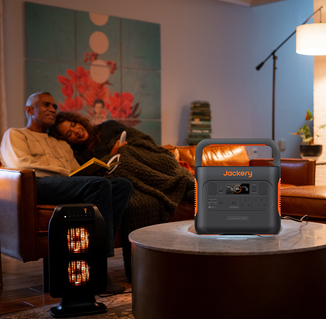












Imagine being plunged into darkness at night when the power goes out. In such situations, an emergency generator is like a lifeline, providing you with a steady, uninterrupted electricity or power supply. Whether you are facing a temporary power outage or preparing for an unexpected storm, knowing about emergency generators is essential to ensure peace of mind and an uninterrupted power supply.
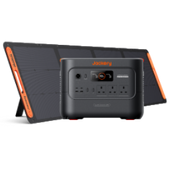
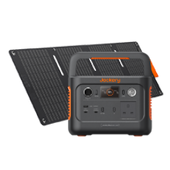
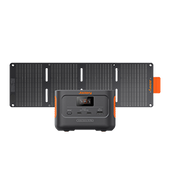
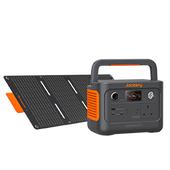
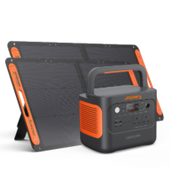
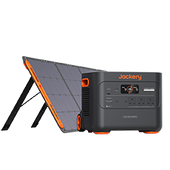
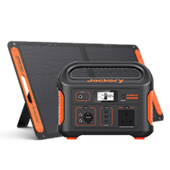
This guide will cover everything about the emergency generator for your home or business. Besides, we highly recommend Jackery Solar Generator, a portable solar power solution to charge your appliances during an emergency. If you worry about the bad weather, the Portable Power Station can be recharged by wall outlets or carport.
|
Key Takeaways: |
|
What Is An Emergency Generator?
As the name implies, emergency generators are used during times of crisis and uncertainty. Imagine that suddenly a storm hits and the power grid fails, plunging your house into darkness with lights, appliances, etc. offline. In short, a sudden power outage will affect your everyday life. So, most people know how essential emergency generators are.
So, what is an emergency generator?
An emergency generator is also an emergency backup power source that kicks in when your regular power fails and ensures that essential appliances such as refrigerators, heating systems, and lights continue to operate, keeping you comfortable and safe. In short, an emergency generator keeps your house functioning when there is a power outage.
Benefits of Emergency Generators
Generally speaking, emergency generators are backup sources of power that homes and businesses use during power outages. So, what are the specific benefits of emergency generators?
- Emergency generators help protect sensitive appliances and electronic equipment by quickly restoring power.
- Emergency generators ensure that indoor temperatures remain comfortable, reducing the impact of extreme temperatures.
- Using emergency generators to power refrigerators and freezers can reduce food spoilage during power outages.
- Emergency generators will keep critical safety systems (such as security alarms, surveillance cameras, and emergency lighting) up and running during power outages.
- Emergency generators can quickly provide power when needed, providing immediate assistance during unpredictable weather emergencies.
How Does An Emergency Generator Work?
An emergency generator is a fixed combustion device with a regenerative engine or turbine. When the main power supply is interrupted or interrupted due to a power outage or any natural disaster beyond the control of the facility operator or owner, the emergency generator can be used as an auxiliary source of electrical or mechanical power.
The working principle of the emergency generator is to use the combustion energy of the internal combustion engine (natural gas, propane, or diesel) to generate high-temperature and high-pressure gas through combustion to drive the movement of the piston, thereby rotating the rotor of the generator, and then converting mechanical energy into electrical energy output.
When the external power grid is interrupted or cannot provide stable power, the emergency generator can be started quickly, generate power through fuel combustion, and drive the generator set to generate power output to meet the power demand.
Different emergency generators work in different ways. A petrol or diesel generator produces electricity by burning fuel in an engine. The engine turns an alternator, which converts mechanical movement into electrical power. A solar generator, also called a portable power station, stores electricity in a built-in battery and then supplies that power through AC sockets, USB ports or DC outputs when needed.
What Size of An Emergency Generator Do I Need?
Investing in an emergency generator is a great way to protect your family, property, and peace of mind during unforeseen power outages and emergencies. When choosing the right emergency generator, you should generally consider two aspects: power requirements and fuel type.
The first thing you need to consider is your power requirements. These are all the electricity you intend to provide to the entire generator at once, so think about the wattage of the machines and equipment you need to keep running simultaneously.

To calculate your power requirements, follow these steps:
Step 1: List the appliances you need to power with the emergency generator.
Start by listing the wattage of all the appliances you plan to power with the emergency generator, including essentials such as refrigerators. Power information can usually be found on the appliance or user manual. If you need help finding the power information for an electrical appliance, contact the manufacturer or browse its website.
The table below shows the power information for some common appliances in the UK.
|
Appliance |
Average Power Rating |
|
Laptop |
100W |
|
Freezer |
100W |
|
Television 55” UHD |
120W |
|
Electric blanket |
300W |
|
Microwave |
1500W |
|
Dishwasher |
2200W |
|
Washing machine |
2200W |
|
Hair dryer |
2200W |
|
Kettle |
3000W |
Step 2: Calculate your combined power needs.
To calculate your combined power needs, add the wattage of all the devices you need to power. If you add up the maximum wattage required by the appliances, you will get your total power needs in Watts (W) or Kilowatts (kW).
Here is an example of how to calculate your power needs:
100W (Freezer) + 1500W (Microwave) + 2200W (Dishwasher) + 2200W (Washing machine) = 6000W/6kW(power needs)
So, in this example, the power needs are 6000W.
Step 3: The common sizes of emergency generators.
Emergency generators vary in power capacity, so consider whether you need a small, medium, or large one. The main thing to consider when choosing the right emergency generator is whether it is large enough to meet your power needs efficiently.
To help you choose the right emergency generator, the table below shows its different sizes and their daily uses.
|
Emergency Generator Sizes |
Power Supply Range |
Common Uses |
|
Small Generators (1,000-2,000 watts) |
Small appliances (such as portable TVs, radios, and light bulbs) |
Outdoor recreational activities, emergency power (home) |
|
Medium Generators (3,000-5,000 watts) |
Large appliances (such as refrigerators, freezers, space heaters, and sump pumps) |
Emergency power (home or small business) |
|
Large Generators (6,000-10,000 watts) |
Most household appliances, power tools, large construction lights |
Emergency power (home or small and medium-sized business), construction sites |
|
Extra Large Generators (10,000 watts and up) |
Multiple large appliances, whole home systems, and many job site tools |
Large residences with high power demand, large outdoor events, emergency power (small and medium-sized businesses) |
Types of Emergency Generators
There are different types of generators to choose from for emergency power sources. Different types of emergency generators suit different aspects, so choosing the right one is crucial to meet your needs. Generally, emergency generators are divided by usages and fuel types.
Emergency Generators by Usages
There are mainly three types of emergency generators classified by usages, including standby, portable and inverter generators.
Standby Generator
Standby generators are an excellent choice for seamlessly transitioning power during a power outage. They can also be used as whole-house generators, generating enough electricity to power an entire house or building in an emergency.
Standby generators are usually on standby and permanently placed outside a house or building. Because standby generators are designed to provide much power, they are more extensive. When the power goes out, they automatically start and efficiently power your entire home or specific circuits.
Portable Generator
Unlike large standby generators, portable generators are compact devices that can be moved and used in more flexible scenarios. Therefore, they are ideal for small-scale needs or flexible situations. Instead, they are better suited to powering some essential appliances.
In conclusion, portable generators are affordable and ideal if you need to power only some essential appliances or devices during a power outage.
Inverter Generator
As we all know, inverter generators use unique technology to produce clean and sustainable energy. They are also quieter, more fuel-efficient, and safer than traditional generators. Large inverter generators can power an entire house, medium inverter generators can power an RV, and small inverter generators can power a camper or boat.
|
Types of Emergency Generators |
Pros |
Cons |
|
Backup Generators |
|
|
|
Portable Generators |
|
|
|
Inverter Generators |
|
|
All three types of generators have unique advantages and disadvantages. Understanding the differences between each type can give you valuable insights when choosing an emergency generator. So, before you buy, evaluate your specific needs to confirm which type of generator will best meet your requirements.

Emergency Generators by Fuel Types
Choosing the appropriate fuel source for your emergency generator is a critical decision directly affecting its performance.
Gasoline Emergency Generator
Gasoline generators are popular for home and commercial use because they tend to be affordable compared to other generators. However, gasoline has a relatively short shelf life and may not be suitable for long-term power outages or emergencies that last longer than expected. Gasoline storage requires care to prevent spoilage.
A gasoline generator works by burning petrol in an internal combustion engine. The engine drives an alternator, which converts mechanical energy into electrical energy. Users normally fill the fuel tank with petrol, start the generator manually or electronically, and plug appliances into its outlets.
Pros:
- Easy to find petrol in the UK.
- Usually cheaper to buy than diesel or standby generators.
- Portable models are widely available.
- Suitable for short power cuts, camping, tools and outdoor use.
- Good for temporary backup power.
Cons:
- Must be used outdoors because of carbon monoxide fumes.
- Petrol has a shorter storage life than diesel or propane.
- Noisy during operation.
- Requires regular engine maintenance.
- Not ideal for long outages unless you store enough fuel safely.
Diesel Emergency Generator
Diesel generators are standard for large standby generators in commercial and industrial settings. Diesel is cheaper than gasoline, making it more cost-effective in the long run. Diesel generators outperform petrol generators in efficiency, using less fuel to generate power. They can burn less than half the fuel used by natural gas generators. They usually aren't inexpensive and need ongoing maintenance.
A diesel generator works by using diesel fuel to power a compression-ignition engine. The engine turns an alternator to generate electricity. Diesel generators are often used for larger backup power needs because they are usually more fuel-efficient and durable than small petrol models.
Pros:
- More fuel-efficient than gasoline generators.
- Better for longer running times.
- Often more durable for heavy-duty use.
- Suitable for farms, workshops, businesses and larger homes.
- Diesel is generally safer to store than petrol because it is less volatile.
Cons:
- Usually more expensive upfront.
- Can be heavy and less portable.
- Produces exhaust fumes, so outdoor use is required.
- Noisy compared with battery-based options.
- Needs regular maintenance, servicing and safe fuel storage.
Propane Emergency Generator
Propane has a long shelf life but is also highly flammable and must be stored carefully. Propane generators emit fewer pollutants compared to diesel generators. It needs fewer oil changes than petrol or diesel generators. Propane generators tend to cost more than gasoline or diesel generators.
A propane generator works by burning LPG/propane gas to run an engine, which then drives an alternator to produce electricity. Instead of filling a tank with liquid fuel, users connect the generator to a propane cylinder or larger LPG tank.
Pros:
- Propane stores for longer than petrol.
- Cleaner-burning than petrol or diesel.
- Easier to store for emergency preparation.
- Often starts well after long storage periods.
- Some models are dual-fuel or tri-fuel, adding flexibility.
Cons:
- Propane cylinders can be bulky.
- Runtime depends on cylinder size.
- Lower energy density than diesel or petrol.
- Still produces exhaust fumes and must be used outdoors.
- Fuel availability may be less convenient than petrol in some areas.
Solar Emergency Generator
Solar generators are a worthwhile option because they save on fuel costs and produce virtually no pollution. Solar generators are portable and serve as an effective backup power source for home or off-grid living. They can save money over time since there are no ongoing fuel expenses. The solar generators from Jackery could be a nice choice, and keep reading.
A solar generator usually refers to a portable power station paired with solar panels. The solar panels convert sunlight into electricity, which is stored in the generator’s built-in battery. The inverter then converts the stored DC power into AC electricity for appliances such as laptops, routers, lights, fridges and small household devices.
Pros:
- No fuel needed when charged by solar panels.
- Quiet during operation.
- No exhaust fumes during use.
- Suitable for indoor backup of essential devices.
- Low maintenance compared with engine generators.
- Good for camping, flats, home offices, routers, lights and emergency essentials.
Cons:
- Solar charging depends on sunlight and weather.
- Higher upfront cost for larger battery models.
- Limited runtime compared with refuelling an engine generator.
- Not ideal for whole-home backup unless capacity is large enough.
- High-power appliances may require a larger model with higher output capacity.
Gasoline, diesel, propane and solar generators all provide backup power, but they suit different needs. Gasoline generators are affordable and easy to find, making them useful for short outdoor backup. Diesel generators are more durable and efficient for longer or heavier use.
Propane generators store fuel well and burn cleaner than petrol or diesel, but still need outdoor operation. Solar generators are quiet, low-maintenance and safe for indoor essential backup, making them a practical choice for UK homes, flats, camping and emergency use, although their runtime depends on battery capacity and charging conditions.
What Can an Emergency Generator Actually Power?
An emergency generator can power many essential household devices, but it depends on the generator’s rated output, surge power, battery capacity or fuel supply, and the appliance’s starting wattage. Some devices, such as fridges and freezers, need extra power when the compressor starts, while kettles and electric heaters use a lot of electricity continuously.

Can It Run a Fridge?
Yes, an emergency generator can usually run a fridge if it has enough rated output and surge power. A fridge may only use modest power while running, but the compressor can need a higher startup surge. A portable power station of around 1000W output or above is usually more practical than a very small unit for fridge backup.
Can It Power a Wi-Fi Router?
Yes. A Wi-Fi router is one of the easiest devices to power during a blackout. Most routers use only around 10–20W, so even a compact power station can keep home internet running for many hours, especially if you also need to charge phones or run a laptop.
Can It Run a Kettle?
Only larger emergency generators can run a kettle. UK kettles often use around 2000–3000W, which is too much for many small power stations and compact generators. For emergency use, a lower-wattage travel kettle, gas camping stove, or pre-boiled hot water flask may be more efficient.
Can It Power a Freezer Overnight?
Yes, but the generator must have enough capacity. A freezer does not draw maximum power constantly because the compressor cycles on and off, but it still needs enough startup power and overnight energy storage. For battery-based generators, choose a model with enough Wh or kWh capacity. For fuel generators, runtime depends on fuel tank size and safe outdoor operation.
Can It Support Medical Devices?
Often yes, but this should be checked carefully. Many CPAP machines and small medical devices can be powered by a portable power station, but the exact wattage, runtime and backup requirements vary. For essential medical equipment, users should check the device label, manufacturer guidance and have a reliable backup plan, especially during longer outages.
Can It Run Heating?
This depends on the type of heating. An emergency generator can often power small heating controls, such as a gas boiler’s electrical controls, pump or thermostat, if connected safely. However, running electric heaters is much harder because they commonly use 1000–2500W and drain battery generators quickly.
|
Appliance / device |
Typical power demand |
Can an emergency generator power it? |
|
Wi-Fi router |
10–20W |
Yes |
|
Phone / laptop |
20–100W |
Yes |
|
LED lights |
5–20W each |
Yes |
|
Fridge |
100–300W running, higher startup surge |
Yes, with the right output |
|
Freezer overnight |
80–300W running, higher startup surge |
Yes, if capacity is enough |
|
Kettle |
1500–3000W |
Only larger models |
|
Microwave |
800–1500W |
Medium to large models |
|
CPAP / medical device |
30–100W+ |
Usually yes |
|
Electric heater |
1000–2500W |
Only high-output models, but runtime is limited |
|
Gas boiler controls |
100–200W approx. |
Often yes |
|
Whole-home heating system |
Varies widely |
Usually no for small portable units |
Jackery Solar Generators for Emergencies
As we mentioned above, the solar generator is one the most optimal choice for emergencies, since it doesn’t have noise or any pollutant, which is safe to use at home. There are many brands for solar generator, and Jackery is one of the best.
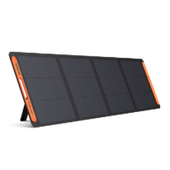
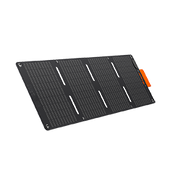
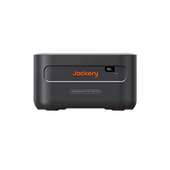
Jackery Solar Generators are comprised of SolarSaga Solar Panels for solar energy capture and Explorer Portable Power Stations for energy storage for further utilisation. The generator may supply power to numerous items, including but not limited to refrigerators, TVs, computers, lights, and more.
Moreover, this solar generator is user-friendly and necessitates minimal maintenance, rendering it a dependable option for emergencies or blackouts. Here, we recommend Jackery Solar Generator 2000 v2 and 3000 v2.
|
Appliances |
Solar Generator 2000 v2 (2042Wh) |
Solar Generator 3000 v2 (3072Wh) |
|
Fridge (350W) |
4.6H |
7H |
|
Lighting (25W) |
38.9H |
55.6H |
|
TV (60W) |
21.5H |
31.8H |
|
Wi-Fi Router (10W) |
59.8H |
81.6H |
|
Coffee Maker (550W) |
2.9H |
4.6H |
Jackery Solar Generator 2000 v2
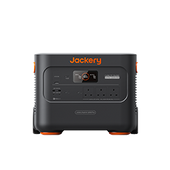
Choose the Jackery Solar Generator 2000 v2 as a home emergency generator if you want a quiet, fuel-free and portable backup solution with 2042Wh capacity, 2200W AC output, 4400W surge power, 4000-cycle LiFePO4 battery, 400W max solar input, and a manageable 38.6 lbs body. It is ideal for fridges, routers, laptops, phones, lighting, projectors, small appliances and emergency essentials.

2042Wh Capacity for Essential Home Backup
The Jackery Solar Generator 2000 v2 combines the Explorer 2000 v2 portable power station with a SolarSaga 200W solar panel. It has a 2042Wh battery capacity, equal to about 2.04kWh of stored electricity. This makes it suitable for essential home backup during short power cuts, especially for devices such as Wi-Fi routers, phones, laptops, lights, fridges, freezers, projectors and small appliances.
2200W Output for Common Household Appliances
With 2200W rated AC output and 4400W surge peak power, the Solar Generator 2000 v2 can support more than basic phone and laptop charging. It can power many common home essentials, including a fridge, router, lighting, TV, projector, coffee maker, small cooking appliance or medical device within the rated output.
Solar Charging for Longer Outages
A normal battery generator depends only on stored electricity, but the Solar Generator 2000 v2 can be recharged with solar panels. Its 400W max solar input allows users to top up the battery during daylight, which is useful during outages, camping trips or off-grid use.
This is especially valuable for UK households that want a quieter, fuel-free backup option. During a daytime outage, you can recharge with solar power and then use the stored energy later for evening essentials such as lights, router, phones and a fridge.
Safer for Indoor Essentials Than Fuel Generators
A petrol or diesel emergency generator must be used outdoors because it produces exhaust fumes and carbon monoxide. The Jackery Solar Generator 2000 v2 is battery-based, so it produces no exhaust fumes during use. That makes it more suitable for indoor essential backup, such as keeping a router, laptop, phones, lights or medical device powered during a power cut.
The Jackery Solar Generator 2000 v2 is especially suitable for:
- Short power cut
- Fridge or freezer backup
- Home working
- Family emergency use
- Camping
|
Review from Our User* |
|
Jackery Solar Generator 3000 v2
The Jackery Solar Generator 3000 v2 is a strong emergency generator for home use because it combines 3072Wh capacity, 3600W AC output, 7200W surge power, solar recharging, LiFePO4 battery life, and flexible portability in one clean backup power solution.
 3072Wh Capacity for Essential Home Backup
The Jackery Solar Generator 3000 v2 is built around the Explorer 3000 v2, with a large 3072Wh LiFePO4 battery capacity. For home emergencies, this is useful because it can keep essential devices running during a power cut, such as a fridge, Wi-Fi router, lights, phones, laptops, CPAP machine, fan, or small cooking appliance.
3600W Output for High-Power Household Appliances
Unlike small backup batteries, the Jackery Solar Generator 3000 v2 offers 3600W pure sine wave AC output and 7200W surge power. This means it can support many demanding household devices, including kettles, microwaves, power tools, water pumps, air conditioners, coffee machines, and refrigerators, as long as the total load stays within the output limit.
Solar Recharging During Longer Outages
As a solar generator, it can be paired with Jackery SolarSaga solar panels to recharge from sunlight. This is important for longer outages because you are not relying only on stored battery power. The Explorer 3000 v2 supports up to 1000W max solar input, making it suitable for emergency backup, camping, off-grid use, and situations where mains power is unavailable.
Fast Charging Before Bad Weather
The Jackery Explorer 3000 v2 can recharge quickly from mains power, charging times of around 1.8 hours. This is useful before storms, planned maintenance, or expected power cuts, because the battery can be prepared quickly instead of needing overnight charging.
It includes 3 × 230V UK AC sockets, 2 × 100W USB-C ports, 2 × 18W USB-A ports, and 1 × 12V car port. During an outage, one unit can support a mix of appliances and electronics, such as a fridge, router, lamp, laptop, phone chargers, and medical or communication devices.
The Jackery Solar Generator 3000 v2 is especially suitable for:
- Power cuts where you need to keep the fridge, lights, router, phones, and laptop running.
- Storm preparation, when fast charging and stored backup power are important.
- Longer outages, when solar panels can help recharge the unit during the day.
- Homes that need quiet, low-maintenance backup power without fuel.
- Families that want one emergency generator for both home backup and outdoor use.
|
*Review from Our User |
|
Compared with a petrol generator, the Jackery Solar Generator 3000 v2 is much easier to live with. There are no fumes, no fuel storage, and much less noise, so I can use it indoors without worrying about exhaust gases. The screen is clear, the ports are easy to understand, and I do not need any technical knowledge to start using it. |
How Long Does a Jackery Solar Generator Last during Emergency?
A Jackery Solar Generator’s runtime depends mainly on battery capacity, appliance wattage, and conversion loss. A simple estimate is:
Runtime ≈ battery capacity × 0.85 ÷ appliance wattage
The 0.85 allows for real-world power loss from the inverter, temperature, and appliance behaviour. The Jackery Solar Generator 2000 v2 has 2042Wh capacity and 2200W output, while the Jackery Solar Generator 3000 v2 has 3072Wh capacity, 3600W output, and 7200W surge power.
Emergency Runtime by Real Home Scenario
|
Emergency Setup |
Solar Generator 2000 v2 |
Solar Generator 3000 v2 |
|
Router + 2 LED lights + phone charging, ~40W |
~43 hours |
~65 hours |
|
Router + laptop + lights, ~100W |
~17 hours |
~26 hours |
|
Fridge + router + lights, ~230W |
~7.5 hours |
~11.4 hours |
|
Fridge + freezer + router + lights, ~380W |
~4.6 hours |
~6.9 hours |
|
TV + router + lights, ~90W |
~19 hours |
~29 hours |
|
CPAP + router + small light, ~65W |
~26.7 hours |
~40.2 hours |
Choose the Jackery Solar Generator 2000 v2 if you mainly need backup for essential home devices, such as a Wi-Fi router, phones, laptop, lights, fridge, freezer or CPAP machine during a short power cut. Choose the Jackery Solar Generator 3000 v2 if you want longer runtime, higher output, and better support for multiple appliances or high-demand devices.
How to Choose The Best Emergency Generator in The UK?
Choosing an emergency generator may seem simple, but several important factors must be considered to find the most suitable one.

Start with What You Need to Power
Before choosing an emergency generator, list the devices you must keep running during a power cut. For most UK homes, the priority is not the whole house, but key essentials such as:
|
Home Essential |
Typical Power Range |
|
Wi-Fi router |
10–20W |
|
LED light |
5–15W |
|
Laptop |
50–100W |
|
Phone charging |
5–20W |
|
Fridge/freezer |
100–300W running, higher starting surge |
|
CPAP machine |
30–80W |
|
Microwave |
800–1500W |
|
Kettle |
2000–3000W |
If you only need phones, lights, Wi-Fi and a laptop, a smaller portable power station may be enough. If you want to support a fridge, cooking appliance, medical device or several appliances together, choose a higher-capacity emergency generator.
Match Battery Capacity or Fuel Runtime to Your Outage Plan
For solar generators and portable power stations, look at watt-hours, or Wh. This tells you how much stored energy the unit has.
A simple estimate is:
Runtime = battery capacity × 0.85 ÷ device wattage
So, a 3000Wh power station could theoretically run a 100W appliance for around 25 hours, depending on inverter loss, temperature and real appliance behaviour.
Check the Output Power, Not Just Capacity
Battery capacity tells you how long a generator can run devices, but output power tells you what it can run. This is especially important for appliances with high power demand. For example, a generator may have enough battery capacity, but if its AC output is only 500W, it cannot run a 2000W kettle.
Noise Level
All emergency generators will produce a certain amount of noise when in use. So please consider the noise level requirements of the emergency generator based on the use scenario and personal needs.
A noisy generator may be acceptable for working on a construction site. However, you may need a quieter emergency generator if you plan to use it in a suburban area with noise restrictions. In contrast, solar generators make almost no noise when running.
Think Carefully About Safety
Safety is one of the biggest deciding factors. Fuel-powered generators must never be used indoors, in garages, sheds, crawl spaces or near open doors and windows, because they can produce carbon monoxide, which is colourless and odourless. National Grid also warns not to use a portable generator or barbecue indoors during a power cut.
Budget
Determine your budget and look for an emergency generator within your price range. Remember that the initial cost is only part of the total cost, so ongoing fuel and maintenance expenses should also be considered. If you have a limited budget, prioritise emergency generators that meet basic needs and requirements.
Brand
Some of these generator brands have a good reputation for customer satisfaction and reliable product delivery. So please consider well-known brands that have a history of producing reliable generators. Jackery is such a big and trustworthy brand offering reliable solar products.
How Much Does an Emergency Generator Cost?
In the UK, an emergency generator can cost from around £300 to over £10,000, depending on the fuel type, power output, battery capacity and whether it needs professional installation. A small portable petrol generator or compact power station is usually the cheapest option, while a professionally installed standby generator for whole-home backup costs much more.
|
Emergency generator type |
Typical UK cost |
|
Small petrol generator |
£300–£1,000 |
|
Larger petrol generator |
£1,000–£2,500 |
|
Diesel generator |
£1,500–£8,000+ |
|
Propane / LPG generator |
£1,000–£5,000+ |
|
Portable power station |
£400–£3,000+ |
|
Solar generator bundle |
£600–£4,000+ |
|
Standby / whole-home generator |
£3,000–£10,000+ for the unit |
|
Standby generator installation |
£500–£1,500+, sometimes more |
Portable generators are often listed at around £500–£2,500, while standby generators can cost £3,000–£8,000, and whole-home systems may reach £10,000–£15,000 or more once capacity and installation are included. Another UK cost guide places standby generator units at around £2,000 for 7kW up to £10,000 for 45kW.
Emergency Generator in The UK FAQs
The following are the frequently asked questions about the emergency generators in the UK:
1. Do I need an emergency generator?
Most people wonder if they need an emergency generator for their home.
Suppose your community frequently experiences extended power outages due to storms or weather. If your family cannot tolerate power outages daily, you need uninterrupted power for medical equipment. There is no doubt that you need an emergency generator.
2. Are emergency generators expensive?
The price of an emergency generator depends mainly on personal needs, such as the type and quantity of equipment in the emergency generator. For example, the purchase price of a gasoline generator is relatively low.
In addition, the price of an emergency generator depends on the accessories required. If the emergency generator is installed outdoors, a soundproof cover is required to protect the unit and prevent noise. If it is installed indoors, it must be equipped with an exhaust hose so that the exhaust gas can be safely discharged to the outside.
3. Do emergency generators using different fuels produce different pollutants?
Of course, emergency generators using different fuels produce different pollutants.
Diesel and gasoline release higher concentrations of particulate matter and air pollutants. Cleaner-burning alternative energy sources such as natural gas and propane emit lower concentrations of air pollutants. In contrast, solar-powered emergency generators do not produce pollutants and are a greener choice.
4. Are off-grid solar systems high maintenance?
Compared to other types of emergency generators, solar generators do not consume fuel, are more environmentally friendly, and make less noise. You may worry about the bad weather conditions, the power station (component of solar generator) can store electricity not only from sunlight, but wall outlets or carports. So, the solar generator can be an optimal choice for emergencies.
5. Can a 5000W generator run a house?
A 5000-watt generator can power a house, but it cannot run the entire house and all major appliances at once. It is an excellent size for running bare essentials—like your refrigerator, lights, a furnace blower, and electronics—but it lacks the capacity for central air or multiple high-wattage devices.
Final Thoughts
An emergency generator is a practical investment for UK households that want reliable backup power during storms, blackouts, winter outages or unexpected grid failures. The best choice depends on what needs to stay powered. A small generator may be enough for phones, lighting and Wi-Fi, while larger models are needed for fridges, freezers, kettles, heating controls or multiple appliances running together.
For home users who want a quiet and fuel-free backup option, the Jackery Solar Generator 2000 v2 is suitable for essential devices and short outages, while the Jackery Solar Generator 3000 v2 provides longer runtime and higher output for more demanding emergency needs.


