






























































Read this article, and you will learn about the importance of charging solar batteries properly, and the matters about charging solar batteries.
Appropriately charging a solar battery is fundamental because it safeguards the battery's efficiency, permanency, and complete operational health. While technically speaking, the charging process must respect the battery's established depth of discharge (DoD) and avoid undercharging or overcharging that can lead to sulphation or grid corrosion.
From the basics of how a solar battery charges to the best charging practices, common mistakes to avoid, estimated charge times, and the role of modern solutions such as Jackery Solar Generators, understanding this process helps users get more value from every unit of solar energy they generate.
|
Key Takeaways: |
|
The Basics of Charging a Solar Battery
Solar batteries, typically lithium-ion-based nowadays, store energy generated from solar panels through electrochemical energy storage. When sunlight strikes PV cells on a solar panel, electrons are knocked loose and create an electric current.
This DC electricity then flows to an inverter that converts it to AC for home use. Any surplus energy is directed toward charging a solar battery.
Battery management systems (BMS) monitor and control this process, ensuring optimal charge and discharge rates, balancing energy across the battery's cells, and preventing overcharging and overheating.
At the same time, state-of-charge measurements monitor energy levels while utilizing voltage, current, and temperature data to estimate remaining capacity and optimize the prolonged existence and performance of the battery.
Advances in technology, including the use of lithium-iron and solid-state batteries, continue improving cycle life, safety, and energy density, which helps enable more effective capture and storage of solar energy.

Importance of Efficient Charging to Maximize Solar Energy Storage
Efficient solar charging plays a major role in getting the most value from a solar energy storage system. Solar panels do not produce the same amount of electricity all day, and the available solar power can change with weather, season, shading, and sunlight intensity.
Maximized Energy Independence: Solar energy storage plays a pivotal role in achieving energy independence by providing a reliable and consistent power supply even when solar generation is limited. Efficient charging ensures that the battery is effectively charged during peak sunlight hours, allowing for greater energy storage.
This stored energy can then be tapped into during periods of low solar generation, such as nighttime or overcast days, reducing the need to rely on the grid or non-renewable energy sources. With an optimized energy storage system, users gain more control over their energy consumption and reduce their environmental impact.
Optimal Energy Utilization: Efficient charging directly impacts the energy utilization efficiency of a solar energy system. By carefully managing the charging process with MPPT technology and minimizing losses, more solar energy is harnessed and effectively stored in the battery.
This means that a larger portion of the energy generated by solar panels is put to practical use rather than being wasted. As a result, the system becomes more economically viable and ecologically friendly, maximizing the return on investment in solar technology.
Extended Battery Lifespan: Proper charging practices help maintain the health and longevity of batteries. Overcharging or undercharging can lead to premature battery degradation and reduced performance.
Periodic equalization charges rebalance individual cell voltages and specific gravities within the battery bank, extending the battery's lifespan and ensuring uniform charging for maximum storage capacity. With efficient charging, batteries operate within safe parameters, preserving their lifespan and reducing the need for frequent replacements.
Better System Performance: The overall performance of a solar energy system is significantly enhanced by efficient charging practices. When the battery is adequately charged, and energy is stored optimally, the system can operate at its peak efficiency.
This process translates into smoother and more reliable power delivery to connected appliances and devices. Users can enjoy an uninterrupted electricity supply, improved system stability, and a more seamless integration of solar energy into their daily lives.
Dos for Charging a Solar Battery
In this section, let's discuss the six Dos for charging a solar battery.

1. Proper Installation and Positioning of Solar Panels
For optimal solar power generation, you must correctly install and position the solar panels. In the UK, the most effective orientation is usually south-facing. However, southeast or southwest can also work effectively.
Additionally, regular tracking of the sun's path across the sky through a solar tracker can also enhance energy production, which allows the panels to continuously face the sun and thus collect more sunlight.
2. Use of a Compatible and High-Quality Solar Charge Controller
A solar charge controller regulates the current and voltage from the solar panels and ensures the battery does not overcharge.
It also prevents battery discharge in low or no light conditions. When selecting a controller, consider the type of battery being charged, as this affects charging parameters. Besides, matching the controller's input voltage with the solar panel system voltage is also important.
3. Regular Monitoring of the Battery's Charge Levels
Regularly monitoring the battery's charge levels is key to prolonging its lifespan and optimizing its performance. Monitoring devices incorporated into the solar charge controller or as part of a separate BMS can give real-time insights into the state of charge and the battery's health.
4. Adherence to Manufacturer's Guidelines for Charging Rates and Voltage Settings
Different batteries require different charging rates and voltage settings, typically specified by the manufacturer. For example, when charging a solar battery with a Lithium-ion solution, it is crucial to adhere to the manufacturer's guidelines for charging rates and voltage settings.
Familiarize yourself with the manufacturer's documentation and set the charging parameters accordingly. Connect the battery to the charging device and initiate the charging process while closely monitoring the charging progress.
It is essential to observe safety precautions, such as proper ventilation and following any additional instructions provided. By following these steps, you ensure the safe and optimization of charging a solar battery, promoting its longevity, performance, and safety.
5. Clean and Maintain Solar Panels for Optimal Performance
Regularly cleaning and maintaining Solar Panels are important to ensure the solar panels are functioning at their maximum capacity. In the UK, rain often does a good job of cleaning the panels.
Nevertheless, dust and bird droppings can accumulate and reduce output efficiency during dry weather or if the panels are mounted at a shallow angle.
For that reason, you should use a soft brush or a specialized cleaning tool to remove the debris, and consider doing this early in the morning or late in the evening to avoid potential thermal shock from cold water on hot panels.
6. Consideration of Backup Charging Source during Extended Periods of Low Sunlight
Given the UK's variable weather conditions, extended periods of low sunlight may exist, especially during winter.
In such scenarios, it may be useful to have a backup charging source to maintain the charge of your solar battery. Such backup sources should be integrated carefully to ensure compatibility with the existing solar system and safety considerations.
Don'ts for Charging a Solar Battery
In the following paragraphs, let's talk about the five Don'ts for charging a solar battery.

1. Overcharging the Battery
Overcharging a solar battery can harm its lifespan and efficiency. The elevated heat generated during overcharging causes energy losses and potential safety risks, including the release of flammable gases, swelling, or even thermal runaway.
The excessive charge places undue stress on the battery's internal components, leading to accelerated material degradation and a reduced lifespan. Besides, overcharging a solar battery, or pushing the voltage beyond the nominal voltage, can cause excessive gassing, prompting thermal runaway and potential battery failure.
2. Frequent Full Discharging
Allowing your solar battery to discharge fully regularly can lead to a phenomenon called deep cycling, which can severely impact the battery's life cycle.
As stated earlier, most solar batteries, particularly lithium-ion types popular in the UK, have a specific DoD value, representing the percentage of a battery's energy discharged relative to the overall capacity.
Routinely discharging below the recommended DoD level can stress the battery and degrade its capacity over time.
3. Neglecting Regular Maintenance and Cleaning
Regular maintenance and cleaning of solar batteries are not tasks to overlook. Accumulated dust, dirt, and moisture can impair the functioning of the battery system and increase the resistance to electron flow. Routine maintenance is essential, particularly in the UK, where seasonal weather changes can be drastic.
4. Using Incompatible or Low-Quality Charging Equipment
Using incompatible or low-quality charging equipment can compromise the battery's efficiency and durability. The solar charge controller, for instance, is crucial in regulating the current and voltage going to the battery to prevent overcharging.
Regarding MPPT controllers, commonly used in the UK's residential solar installations, compatibility with the battery's voltage and current characteristics is vital. A low-quality or incompatible controller might not track the maximum power point correctly, which results in suboptimal charging and potential battery damage.
5. Ignoring Warning Signs or Unusual Battery Behaviour
Ignoring warning signs or unusual behaviour of your solar battery can lead to substantial damage and potential system failure. Signs like swelling of the battery, reduced capacity, or irregular voltage levels should not be overlooked.
Advanced solar systems often have a BMS that monitors these parameters. In the UK, where weather conditions may vary considerably, sudden changes in battery behaviour could indicate issues with the thermal management of the battery. However, the BMS can quickly identify these issues, enabling timely interventions to mitigate potential damage.
How Long Does It Take to Charge a Solar Battery?
The time it takes to charge a solar battery depends on several things, including the battery capacity, solar panel output, weather conditions, battery state of charge, and charging efficiency. Because of that, there is no single charging time that fits every setup.
In simple terms, a small battery connected to a strong solar array may charge in a few hours, while a large home battery may take most of the day or longer.
A simple way to estimate charging time is:
Charging Time = Battery Capacity (Wh) ÷ Solar Input Power (W)
This gives a rough result, but real-world charging usually takes longer because of energy losses, changing sunlight, and battery charging behaviour.
Simple Example
Let’s say you have:
A 1000Wh battery
A 200W solar panel
The rough charging time would be:
1000Wh ÷ 200W = 5 hours
So in ideal conditions, it may take about 5 hours. In real outdoor conditions, it could take closer to 6 to 8 hours because solar panels do not usually produce their full rated output all day.

Our Reliable Solar Energy Solutions: Jackery Solar Generators
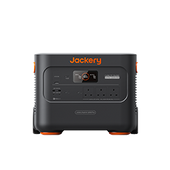
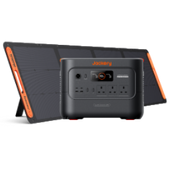
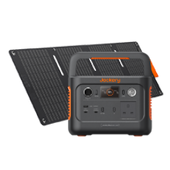
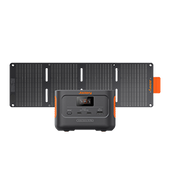
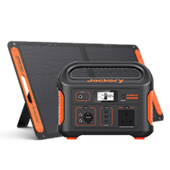
Choosing a Jackery Solar Generator involves more than just buying a battery and a panel; it is an integrated ecosystem designed for efficiency and ease of use. The power stations (like the Explorer 1000 v2 and 2000 v2) use a proprietary ChargeShield 2.0 algorithm. It uses a variable charging algorithm that protects the battery from overheating and overcharging during fluctuating solar input (e.g., when clouds pass by).
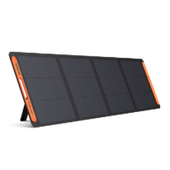
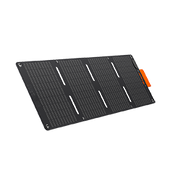
Many of Jackery Solar Panels are bifacial, meaning they can capture solar energy from both sides. By capturing light reflected from the ground (sand, snow, or light-colored pavement), these panels can increase total energy yield by up to 25% compared to single-sided panels.
Jackery Solar Generator 1000 v2
The Jackery Solar Generator 1000 v2 is a strategic choice if you prioritize a balance between portability and high-speed solar intake. While it shares the same name lineage as the older models, the "v2" is a complete technical overhaul specifically optimized for efficiency and long-term battery health.

Dual-Port 400W Solar Input
The 1000 v2 features a significant upgrade in how it handles solar energy compared to the standard 1000 or the older 1000 Pro models. It supports up to 400W of solar input. Under optimal conditions, you can fully recharge the 1070Wh battery in approximately 4 hours using two SolarSaga 200W panels.
It is equipped with two DC input ports (8mm), allowing you to connect multiple solar configurations (e.g., up to four 100W panels or two 200W panels) without needing complex third-party adapters.
LiFePO4 Chemistry & 4,000 Cycle Life
The shift to Lithium Iron Phosphate (LiFePO4) is the most critical update for the v2. It is rated for 4,000 charge cycles before reaching 70% capacity. This is nearly 4x the lifespan of the NCM batteries found in the original Explorer 1000.
Solar charging often involves leaving the unit in warm environments. LiFePO4 chemistry is inherently safer and more resistant to heat-related degradation during high-wattage solar sessions.
ChargeShield 2.0 Management
This model utilizes the upgraded ChargeShield 2.0 algorithm, which specifically benefits solar users: Solar power is rarely constant (clouds, moving shadows). ChargeShield 2.0 smooths out these fluctuations to prevent "micro-cycling" the battery, which extends its total lifespan.
While primarily for AC, the system's ability to handle high-current inputs safely ensures that even when you maximize the 400W solar limit, the internal components stay within safe temperature ranges.
Optimized Energy Density
Despite having a 1070Wh capacity and a massive 1500W AC output (3000W surge), the v2 is significantly smaller than its predecessors. It weighs roughly 23.8 lbs, making it one of the most power-dense 1kWh units on the market. This makes it easier to reposition throughout the day as you chase the sun for maximum solar yield.
The pure sine wave inverter ensures that the solar energy you've harvested isn't wasted; it powers 90% of home appliances with very low conversion loss.
|
Features of Jackery Solar Generator 1000 v2 |
|
|
Combo |
Jackery Explorer 1000 v2 + SolarSaga 100W/200W |
|
Capacity |
1070Wh |
|
Battery Cell |
LiFePO4 4000 cycles to 70%+ capacity |
|
Weight |
23.8 lbs (10.8 kg) |
|
Dimensions |
12.87 × 8.82 × 9.72 in (32.7 × 22.4 × 24.7 cm) |
|
Operating Temperature |
Discharge: 14°F~113°F (-10~45°C) Charge: 32°F~113°F (0~45°C) |
Jackery Solar Generator 2000 v2
The Jackery Solar Generator 2000 v2 represents a shift toward extreme portability without sacrificing the 2kWh capacity. While the "Plus" series focuses on expandability and heavy-duty power, the 2000 v2 is designed to be the lightest and most compact 2kWh unit in Jackery’s lineup.

Significant Weight Reduction
The most striking feature of the 2000 v2 is its form factor.Weight: It weighs only 38.6 lbs. For comparison, the 2000 Plus weighs about 61.5 lbs. This makes the v2 roughly 35.6% lighter than the industry standard for 2kWh LiFePO4 stations.Dimensions: It is approximately 41% smaller than previous 2kWh models, making it much easier to fit into a car trunk or a caravan storage locker.
Solar Charging Performance
The 2000 v2 is optimized for a medium-to-fast solar setup:
Solar Input: It supports up to 400W Max solar input via two DC ports. Charge Times:
2*SolarSaga 200W: Recharges in about 7.5 hours under optimal sun.
4*SolarSaga 200W: Can achieve a full charge in roughly 6 hours.
Note on Input: Unlike the 2000 Plus (which takes up to 1200W of solar), the 2000 v2 is capped at 400W to maintain its smaller internal cooling system and lighter weight.
Battery Chemistry and Longevity
Despite being smaller, it uses the high-end LiFePO4 (LFP) battery chemistry found in the Plus series. Rated for 4,000 charge cycles to 70%+ capacity. If used daily, this battery can last over 10 years. It offers a robust 2042Wh capacity, sufficient for running high-drain appliances like a 1600W electric oven for over an hour or a full-sized refrigerator for up to 3 days.
Advanced Inverter Technology
The 2000 v2 introduces a GaN (Gallium Nitride) Inverter, which is a high-frequency semiconductor material. GaN inverters are more efficient than traditional silicon inverters, generating less heat. This is partly why the unit can be so small without overheating. It provides a steady 2200W AC output (4400W surge), allowing it to handle almost any household appliance.
|
Features of Jackery Solar Generator 2000 v2 |
|
|
Combo |
Jackery Explorer 2000 v2 + SolarSaga 200W |
|
Capacity |
2042Wh |
|
Battery Cell |
LiFePO4 4000 cycles to 70%+ capacity |
|
Weight |
38.6 lbs (17.5 kg) |
|
Dimensions |
13.2 × 10.4 × 11.5 in (33.5 × 26.4 × 29.2 cm) |
|
Operating Temperature |
Discharge: 14°F~113°F (-10~45°C) Charge: 32°F~113°F (0~45°C) |
How to Optimize Your Solar Battery Charging for Maximum Efficiency?
Getting the best performance from a solar battery is not only about having enough panel capacity. It also depends on how efficiently the battery is charged each day. If charging is poorly managed, part of your solar generation can be wasted, battery wear can increase, and the system may store less usable energy than expected.
Match the Battery Type with the Right Charging Profile
One of the most important steps is making sure the charging settings match the battery chemistry. Different batteries require different charging behaviour:
- LiFePO4 and other lithium batteries usually support faster, more efficient charging.
- Lead-acid batteries often need more careful multi-stage charging.
- AGM and gel batteries have their own voltage requirements.
If the charging profile does not match the battery type, the battery may charge inefficiently, take longer to fill, or suffer unnecessary stress. The charge controller or inverter should always be configured for the exact battery type being used.
Use a High-Quality MPPT Charge Controller
If your system uses solar panels to charge batteries directly, an MPPT charge controller can make a big difference.
MPPT stands for Maximum Power Point Tracking. It helps the system pull more usable power from the solar panels by adjusting to changing sunlight and voltage conditions. Compared with simpler PWM controllers, MPPT units are generally better at improving charging efficiency.
Size the Solar Array Properly
If the solar array is too small for the battery bank, charging will be slow and incomplete. If the system is badly mismatched, the battery may spend too much time at a partial state of charge, which can reduce performance over time.
A well-sized array gives the battery a better chance of reaching a healthy charge level regularly.
Reduce Shading on the Solar Panels
Even partial shading can reduce solar output significantly. Shading from trees, buildings, chimneys, dirt, or debris can lower the power reaching the battery and slow charging. Since solar charging depends on available panel output, keeping panels in the best possible sunlight is essential.
Charge During the Best Solar Hours
Solar output is strongest during the middle of the day, usually around late morning to mid-afternoon.
To optimize battery charging, it helps to let the system store as much energy as possible during these hours. If possible, avoid unnecessary heavy daytime consumption that pulls solar power away before the battery has a chance to charge properly.
FAQs
The following are frequently asked questions about the solar battery charging in the UK.
1. How do you charge a solar battery?
To charge a solar battery, connect a solar panel to a charge controller (MPPT recommended for efficiency) and then connect the controller to the battery to regulate voltage and prevent overcharging. The system typically requires connecting the battery first, then the solar panels.
2. Can you leave a solar battery charger on all the time?
Yes, you can generally leave a solar battery charger (or tender) connected all the time, provided it is an automatic charger that shuts off or enters a "float" or "maintenance" mode when the battery is full. This is excellent for long-term storage of vehicles, but it is advised to use smaller, low-current trickle chargers to prevent overcharging or boiling out the battery.
3. How long does it take to fully charge a solar battery?
Generally, a solar panel that provides 1 amp of electrical energy will fully charge a battery in 5 to 8 hours in full sunshine, but this time can be increased as the angle of the sun changes or if it becomes overcast.
4. Can I charge my solar battery from the grid?
Yes, you can charge your solar battery from the grid, which is particularly useful for taking advantage of off-peak electricity tariffs to top up during winter or cloudy weather. Most modern hybrid inverters allow you to configure this feature, letting you pull energy when rates are cheapest to maximize your overall savings.
Final Thoughts
Efficient solar battery charging is a key part of making a solar energy system work well in real life. It affects how much solar electricity can actually be stored, how long the battery lasts, and how reliably the system performs across changing conditions. When charging is handled properly, users can store more of their solar production, improve energy independence, and get better long-term value from their investment.


