

























































With the advancement of global climate strategies, UK housing construction is undergoing a historic transformation. The Future Homes Standard (FHS), officially announced in March 2026, reshapes the existing building codes Part L and Part F.
This standard aims to fundamentally reshape the construction and energy ecology of new homes in England by comprehensively improving the insulation performance of building fabrics, phasing out traditional gas boilers, and encouraging the application of air-source heat pumps and solar photovoltaic (PV) systems, thus ushering in a clean, efficient, and electrified era for future homes.
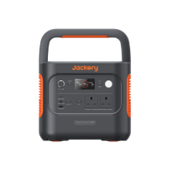
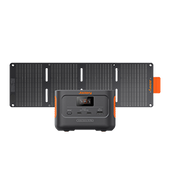
This allows new homes to achieve the ambitious goal of reducing carbon emissions by 75% to 80% compared to previous standards without requiring post-construction modifications. If you want to make full use of solar energy, it is suggested to combine the plug-in solar with storage, such as the Jackery SolarVault 3 Series.
|
Key Takeaways: |
|
What Is the Future Homes Standard?
The Future Homes Standard (FHS) is the 2026 update to Part L (Conservation of Fuel and Power) of the Building Regulations for England, which was issued in March 2026. The guideline, which is expected to be completely adopted in the next years, aims to improve energy efficiency and reduce reliance on fossil fuels.
In practical terms, this means new homes will be built with highly efficient insulation, modern ventilation systems, and low-carbon heating technologies such as air source heat pumps, alongside integrated systems like solar panels.
How is the Future Homes Standard Delivered?
The Future Homes Standard is not a new regulation, but rather a considerable revision to Part L (Fuel and Power Consumption) and Part F (Ventilation) of the UK's present Building Regulations. The final standard, which was first consulted on in 2019 and then again in 2023, now provides a clear framework for creating low-carbon, energy-efficient houses across England. The Future Homes Standard will be delivered through updates to:
- Part L of the Building Regulations (energy efficiency)
- Part F (ventilation)
These improvements will keep dwellings airtight, well-insulated, and adequately ventilated, while also allowing for the transition to clean electric heating, such as heat pumps.
Why is the Future Homes Standard Being Introduced?
The UK has committed to achieving net-zero carbon emissions by 2050, and housing plays a major role in that target. Residential properties account for a significant share of the country's carbon footprint, primarily owing to heating and energy consumption.
The FHS is part of the government's plan to reduce carbon emissions from new homes and help meet Net Zero by 2050. The Future Homes Standard is designed to:
- Reduce carbon emissions from new homes by 75–80%;
- Lower energy bills for homeowners;
- Improve overall living standards by upgrading building quality.
The Future Homes Standard aims to construct homes that are cleaner, more efficient, and less expensive to operate.

Future Homes Standard: What It Means for UK Homes?
The 2021 Part L uplift (which went into effect in June 2022) was referred to be an interim step toward the Future Homes Standard. It required a 30% reduction in carbon emissions. The Future Homes Standard introduces stricter performance targets compared to Part L 2021. The important aspects are as follows:
|
Requirement |
Part L 2021 |
Future Homes Standard |
|
Carbon reduction (vs 2013) |
30% |
At least 75% |
|
Heating system |
Gas boilers still permitted |
Low-carbon heating required (heat pumps, heat networks) |
|
Solar PV |
Not required (but helps compliance) |
Mandatory (40% ground floor area coverage target) |
|
Airtightness target |
8 m³/(h·m²) @ 50 Pa limit |
3 m³/(h·m²) @ 50 Pa notional |
|
Wall U-value (notional) |
0.26 W/m²K |
0.15 W/m²K (HEM) / 0.18 (SAP 10.3) |
|
Compliance methodology |
SAP 10.2 |
HEM or SAP 10.3 |
|
Software delivery |
Third-party SAP engines |
Centralised ECaaS API |
|
Zero carbon ready |
No |
Yes |
(Source: home-energy-model)
Gas Boilers Phased Out
New homes will no longer be permitted to use gas boilers. The FHS does not specifically "ban" gas boilers. Instead, carbon emission targets are established so that no fossil-fuel heating system can meet compliance. In practice, this means:
The standard does not allow hybrid or hydrogen-ready boilers. Instead, most new homes will use air source heat pumps (ASHPs) or ground source heat pumps (GSHPs) as their primary heating system.
Heat networks with low-carbon sources are also acceptable.
This represents a fundamental shift in how homes are heated in the UK. This improvement promotes long-term sustainability while reducing the need for future retrofits. This creates both opportunities and supply chain pressures across the sector.
Mandatory Renewable Energy (Solar PV)
Requirement L3, adopted in the March 2026 Building Regulations revisions, makes on-site renewable energy generation a functional requirement of the Building Regulations. A new requirement mandates that new residences generate renewable energy, often through solar photovoltaic (PV) panels.
Developers must achieve PV coverage equivalent to 40% of the dwelling's ground floor area where feasible, or install a “reasonable amount” where shade or orientation constraints apply. This move promotes renewable energy generation while lowering home energy expenditures.
It should be noted that the Approved Document contains extra recommendations for circumstances where atypical roof designs may have an influence on photovoltaic panel installation, compromising their capacity to meet the minimal requirements.
Changes to Ventilation and Overheating (Parts F & O)
The building shells under the Future Homes Standard are exceptionally airtight; if air circulation and summer overheating issues are not solved, future homes will turn into greenhouses. Therefore, a simultaneous improvement of Part F and Part O is required.
- Ventilation & Part F: FHS homes target an airtightness of 3 m³/(h·m²) at 50 Pa, tight enough that uncontrolled infiltration is minimal. This is great for energy efficiency, but it means that controlled mechanical ventilation must take up the duty of providing fresh air while also eliminating moisture, smells, and contaminants. Without it, inhabitants would experience poor indoor air quality, humidity, and possible mould growth.
- Overheating and Part O: FHS homes will have significantly superior fabric performance than existing homes, including lower U-values, improved airtightness, and high-performance glass. Approved Document O sets out two key requirements for new residential buildings:
Limiting undesired solar gains by regulating the quantity of solar energy entering the dwelling through windows, rooflights, and other glazed features.
To remove surplus heat when indoor temperatures rise, provide appropriate ventilation (mainly through opening windows and cross-ventilation).
Dual Compliance Tools: SAP 10.3 and the Home Energy Model (HEM)
FHS compliance is demonstrated by showing that a proposed dwelling performs at least as well as a notional building of the same size and shape. The notional building is a reference design with standard fabric, heating, ventilation, and renewable energy characteristics. During the transition time, two compliance options are available:
- HEM: FHS evaluation, the principal way, employing the Home Energy Model with the FHS wrapper via the ECaas platform.
- SAP 10.3: An enhanced version of SAP, is provided as an interim solution, allowing assessors to utilise familiar tools while the industry converts to HEM.
|
Compliance Tool |
SAP 10.3 |
HEM |
|
Advantages |
Higher familiarity Faster speed Lower data requirements Established software No ECaaS dependency |
More accurate modelling Consistency Future-proof Design flexibility |
|
Limitations |
Less accurate technology modelling Monthly resolution No self-consumption modelling Interim status: will eventually be withdrawn Software inconsistency |
Longer assessment time More data required Punitive defaults ECaaS dependency |

Future Homes Standard: What It Means for UK Energy Bills
In the UK, the Future Homes Standard has a profound impact on energy bills for prospective homeowners. While solar panels are not mandatory, most buildings are expected to use them to comply with renewable energy regulations.
Therefore, solar photovoltaic (PV) will be deeply integrated with heat pumps. New homes will offer a significant economic advantage in terms of energy bills compared to existing traditional homes. Here are some specific analyses:
How Will the Structure of the Energy Bill Change?
Traditional UK home energy bills are divided into two parts: gas (for heating and hot water) and electricity (for lighting and appliances). Under the Future Homes Standard, gas boilers are completely banned, replaced by air source heat pumps (ASHP).
This means that a household's gas bill will be reduced to zero. Energy consumption for heating and hot water will be entirely transferred to the grid. Therefore, household electricity consumption (kWh) will increase significantly.
How Much Savings are Expected Annually?
Homes built according to the Future Homes Standard (FHS) consume less energy and can reduce energy costs by approximately 70% to 80% compared to older homes with similar conditions. Residents can typically expect savings.
The government estimates that people living in new homes can save £830 per year on energy costs compared to standard homes with an Energy Performance Certificate (EPC) rating of C. Compared to older, less energy-efficient homes built during the Victorian or Edwardian eras and lacking modern insulation (EPC E or F rating), new homes under the Future Homes Standard can save owners over £1,000 annually.
How Does a Combination of Heat Pumps and Solar Energy Save Money?
The cost-saving strategies and working principles of this combination are as follows:
- The Ultra-High Efficiency of Heat Pumps (COP ≥ 3.5): Traditional natural gas boilers typically have an efficiency between 80% and 92% (consuming 1 kWh of electricity or gas to produce less than 1 kWh of heat). Modern air-source heat pumps typically have a coefficient of performance (COP) between 3.5 and 4.0. This means that for every 1 kWh of electricity consumed, the heat pump can transfer 3.5 to 4 kWh of heat from the air into the room free of charge.
- Solar Photovoltaics (PV) Provides Zero-Cost Green Electricity: According to the Future Homes Standard, where feasible, new homes should install solar panels equivalent to 40% of the ground floor area. This is equivalent to having a miniature power plant within the house. During the day, the electricity generated by solar power is prioritised for the heat pump or household appliances, meaning that the cost of purchasing electricity is directly eliminated.
How Solar Panels Support the Future Homes Standard?
Under the Future Homes Standard, solar PV panels have evolved from a bonus to an indispensable pillar. Solar panels are an absolute must-have for developers. However, the Future Homes Standard is also a key driver of increased energy efficiency and reduced dependency on fossil fuels.
Lowering Energy Costs
New homes under the Future Homes Standard will completely eliminate natural gas, transitioning to all-electric homes powered by air-source heat pumps (ASHPs). While this reduces petrol expenditures, it increases household reliance on the grid.
Solar panels that operate during peak daytime power output provide zero-cost green electricity for heat pump, hot water heating, and appliance usage, directly offsetting high electricity bills.
Achieving Higher Energy Performance Certificate (EPC) Rating
The Energy Performance Certificate (EPC) is the official standard for measuring home energy efficiency (from A to G). A high EPC rating not only indicates that a home is exceptionally energy efficient, but it also serves as a necessary prerequisite for eligibility for future policy benefits. Solar panels can significantly improve a home's energy efficiency score.
According to the Future Homes Standard, high EPC ratings (such as A or B) will become the standard for new homes and a goal for existing home upgrades.
Improving Property Value
With fluctuating energy prices, potential buyers are increasingly valuing the energy efficiency of homes. New FHS homes with solar panels basically provide buyers with their own power plant and immunity to the fossil fuel problem. Banks are also more likely to provide low-interest green mortgages for such energy-efficient houses, hence increasing secondary market value and liquidity.
Reducing Dependence on External Energy Suppliers
Photovoltaic power generation is limited by the fact that it is only active during the day and not at night. Solar panels can be combined with home energy storage batteries: excess free sunlight during the day is stored in the batteries and released at night or during peak electricity prices to power heat pumps and appliances.
This reduces reliance on external energy sources and may possibly result in energy self-sufficiency. In addition to typical rooftop installations, additional solutions such as the Jackery plug-in solar storage solution are available for purchase.

The Jackery SolarVault 3 Series is Jackery’s next-generation home solar storage solution, designed to help households generate, store, and use solar energy more efficiently. The series includes the SolarVault 3 Pro, SolarVault 3 Pro Max, and SolarVault 3 Pro Max AC, offering flexible options for balcony solar systems, existing PV installations, and larger home energy setups. With an integrated inverter, LiFePO4 battery technology, smart energy management, and expandable storage from 2.52 kWh to 15.12 kWh, the SolarVault 3 Series brings solar storage into a compact, modular, all-in-one system.
The system works by collecting solar power from connected panels, storing surplus electricity in the battery, and automatically supplying that energy when the home needs it most, such as in the evening, during peak electricity prices, or during a power outage. The SolarVault 3 Series can optimise solar generation even when panels face different directions or experience partial shading. Its AI-driven energy management helps balance solar production, household demand, battery charging, and electricity tariffs for smarter daily use.
One of its biggest advantages is flexibility. Homeowners can start with a smaller battery capacity and expand later as their energy needs grow. The plug-and-play design also makes installation more straightforward, while key safety features such as LiFePO4 cells, terminal temperature monitoring, and integrated aerosol fire suppression support reliable long-term operation.
The Jackery SolarVault 3 Series is expected to go on sale in the UK in July, giving UK users a new way to store solar power, use more of their own clean energy, and make home electricity management smarter and more cost-effective.
What Does the Future Homes Standard Mean for Everyone?
The Future Homes Standard affects everyone involved in building new homes in England. The impacts vary significantly by role:

Implications for Architects
Given the requirement that photovoltaic panels must cover 40% of the ground floor area, the roof's angle, orientation, and unobstructed design become mandatory requirements, directly determining the building's appearance.
Furthermore, architects must methodically design shade and natural cross-ventilation (Part O) while fulfilling extremely high airtightness (Part L) criteria to keep buildings from becoming greenhouses in the summer.
Implications for Developers
The FHS Impact Assessment estimates an additional build cost of around £4,350 per dwelling (weighted average), which is principally driven by heat pump installation, solar PV, improved insulation, and mechanical ventilation.
FHS homes will have much lower operating expenses than ordinary existing homes, making them more appealing to buyers. Developers must plan procurement carefully, since heat pump and solar PV demand will spike as the deadline approaches.
Implications for Property Professionals
Estate agents, block managers, and property managers will play an important role in informing clients about these developments. Understanding the benefits and realities of energy-efficient homes will be critical for advising purchasers, landlords, and investors. There is also a potential to market sustainable houses as a premium option, emphasising long-term savings and environmental benefits.
Implications for Homeowners and Buyers
The Future Homes Standard should provide numerous substantial benefits to owners and homebuyers, including increased energy efficiency, resulting in lower energy bills; a more comfortable and temperature-consistent living environment; and future-proof, more compliant housing. However, there may be a learning curve, particularly around new heating systems like heat pumps, which operate differently from traditional boilers.
Implications for Landlords and the Rental Market
Although the standard applies primarily to new builds, it signals a broader shift in expectations across the entire housing sector. Landlords should expect greater energy efficiency standards for existing properties, notably surrounding EPC ratings. Investing in energy improvements now—such as insulation, double glazing, and low-carbon heating—could help landlords stay ahead of future regulations and maintain property value.
When Will the Future Homes Standard Come into Effect?
The implementation of the UK Future Homes Standard (FHS) marks the most significant shift in UK residential building rules in decades. A specific, staggered implementation plan is in place to assure its smooth operation.

Effective Date: March 24, 2027
The government has said that the Future Homes and Buildings Standards will come into effect on 24th March 2027. Projects with applications received before March 24, 2027, can proceed to Part L 2021 if they begin by March 24, 2028. Projects submitted on or after 24 March 2027 must comply with FHS immediately.
Transition Period (Deadline: March 24, 2028)
The regulations provide a 12-month transition period, beginning on March 24, 2027 and ending March 24, 2028. Transitional arrangements operate on an individual building basis, not site-wide, so different homes on the same site may fall under different regulations. After the transition period ends on March 24, 2028, all new residences, regardless of registration date, must conform with FHS.
Future Development and Feasibility of the Future Homes Standard
The Future Homes Standard represents a pivotal moment for the UK housing sector. It's more than simply a regulation reform; it's a transformation in how homes are designed, built, and priced. It establishes a new standard for sustainable housing by shifting away from fossil fuels, mandating renewables, and imposing stricter energy performance requirements.
The long-term direction is clear: smarter modelling, cleaner energy, and homes built for a net zero future.
The Future Homes Standard establishes a clear structure while simultaneously raising expectations. In the next years, performance in terms of energy use, affordability, and comfort will play an increasingly crucial role in how houses are planned, supplied, and valued. As sustainability becomes a primary priority in the real estate industry, those who adapt first will benefit the most.
FAQs
The following are the frequently asked questions about the Future Home Standard in the UK:
1. What is the Future Homes Standard?
The Future dwellings Standard (FHS) is a government project designed to improve the energy efficiency of new dwellings in England. It is a six-year plan focussing on reducing carbon emissions, enhancing energy efficiency, and ensuring homes are comfortable and cost-effective to run.
2. When does the Future Homes Standard come into force?
The regulations were laid before Parliament on 24 March 2026 and come into force on 24 March 2027, with a 12-month transition period. Projects with planning applications submitted before that date may continue to develop under prior standards, implying that full required compliance for all new homes and buildings in England will be effective as of March 2028.
3. How do solar panels and air-source heat pumps contribute to Future Homes Standard?
Solar panels and air-source heat pumps are two major technologies driving the Future Homes Standard. Solar panels create power directly from sunshine, which helps to lower energy expenses and carbon emissions.
Meanwhile, air-source heat pumps play an important part in low-carbon heating. Unlike traditional systems that rely on fossil fuels, air-source heat pumps use renewable energy from the air for efficient heating.
4. How will the Future Homes Standard reduce carbon emissions?
The FHS aims to reduce carbon emissions through the adoption of low-carbon heating technologies, such as heat pumps, and enhanced energy efficiency measures, including insulation and airtightness. These improvements are expected to lower emissions by at least 75% compared to previous building standards.
5. What will happen to UK housing in 2026?
In 2026, the UK housing market is transitioning into a period of cautious stability characterized by modest property value growth, fluctuating mortgage rates, and strong regional variations.
6. What is the future homes standard 2028?
The UK’s Future Homes Standard (FHS) is an update to Building Regulations mandating that all new-build homes produce 75–80% fewer carbon emissions than properties built to older 2013 standards. The full rollout and mandate for all new homes will take full effect in March 2028.
7. What does future homes standard mean?
The Future Homes Standard (FHS) is a major update to England's Building Regulations. It requires all newly built homes to produce 75–80% less carbon emissions than older 2013 standards and be "zero-carbon ready"—meaning no retrofits will be needed when the national electricity grid is fully decarbonised.
8. What are the changes in the NHBC standards 2026?
The NHBC Standards 2026 introduced mostly minor, targeted amendments to align with industry practices and clarify warranty requirements rather than overhauling foundational rules. These updates apply to all NHBC-registered homes where foundations were started on or after January 1, 2026.
Conclusion
The implementation of the Future Homes Standard represents not only a leap forward in energy-saving regulations but also a comprehensive reshaping of the living environment for architects, developers, and ordinary homeowners.
Despite challenges from rising supply chains and upfront construction costs across the industry, it brings homebuyers high-efficiency, high-comfort, and low-cost assets. Combined with innovative plug-in photovoltaic energy storage solutions such as Jackery's SolarVault 3 Series, which will be launched in the UK this July, future households will not only be able to easily hedge against high electricity prices, but also maximise their energy self-sufficiency.


