















![[Over £1200 Tier Gift] Bluetooth Speaker with Phone Stand - shipped Separately](http://uk.jackery.com/cdn/shop/files/Portable_Bluetooth_Speaker_with_Phone_Stand_2.png?v=1781595581&width=170)



















Aquarium pumps do more than keep water moving. They help create a healthier, more stable environment for fish, plants, and beneficial bacteria when you run a small tropical tank at home or a larger setup with filters, ornaments, and extra aeration.
This guide explains the aquarium pumps in the UK for 2026 in a practical way. It covers the main types of water and air pumps, their differences, and how each suits different fish tanks and stocking levels. It also explains how to set a suitable flow rate, choose the right pump for your setup, and keep it running properly over time.
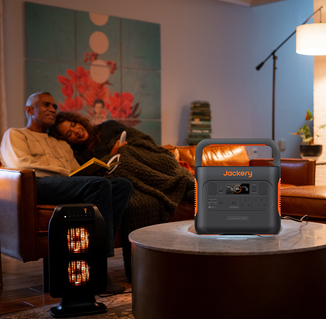
As electricity use is also part of the conversation for many fishkeepers, we will also touch on the Jackery Portable Power Station as a reliable backup power option for fish tanks, especially during outages or when you want better control over running costs.
|
Key Takeaways: |
|
What Is an Aquarium Pump?
An aquarium pump is the part of a fish tank setup that keeps movement going. In simple terms, it moves either water or air so the aquarium does not become stagnant. That movement matters because it helps support circulation, filtration, gas exchange, and overall water quality. In many tanks, the pump is one of the pieces of equipment quietly doing the daily work in the background.
What Is a Water Pump in an Aquarium?
A water pump is designed to move water through or around the tank. Depending on the setup, it may push water through a filter, create circulation inside the aquarium, feed a sump system, or increase flow in areas where debris would otherwise settle. In practical terms, a water pump helps distribute heat, move waste towards filtration, and prevent dead spots where water quality can decline.
What Is an Air Pump in an Aquarium?
An air pump works differently. Instead of pushing water, it pushes air through airline tubing into equipment such as air stones, sponge filters, bubble walls, or decorative ornaments. As the bubbles rise, they disturb the water surface, which helps improve gas exchange and supports oxygen levels in the tank. Air pumps are also commonly used to run air-driven filters and accessories.
Water Pump vs Air Pump
The biggest difference is the job each one is meant to do. A water pump is for circulation and moving water where you need it. An air pump is for aeration and running air-powered equipment. If you want stronger current, better debris movement, or support for a filter or sump, you are usually looking at a water pump. If you want bubbles, extra surface agitation, or to run a sponge filter, an air pump is usually the better fit.
Many aquariums use only a water pump because the filter already creates enough surface movement. Others benefit from adding an air pump, especially when the tank is heavily stocked, uses sponge filtration, or needs extra aeration. In some cases, both are useful together: the water pump handles circulation and filtration, while the air pump adds oxygen support and drives extra equipment.
Types of Fish Aquarium Water Pumps
A water pump for a fish tank uses an electric motor and impeller to pull water in through an intake and push it back out through an outlet. That sounds simple, but it is what keeps aquarium water moving through filters, around décor, and across the surface, which helps with circulation, debris transport, and gas exchange.
The table below is a practical comparison based on common aquarium use. Exact wattage and sound levels vary by model, but these profiles reflect how each pump type is typically used in freshwater and marine systems.
|
Pump Type |
Where It Sits |
Typical Noise Level |
Typical Power Use |
Best Compatibility |
Main Job |
Setup Difficulty |
|
Submersible pump |
Inside the tank, filter chamber, or sump |
Low |
Low to medium |
Freshwater, marine, all-in-one tanks, small to medium systems |
General circulation, filtration, return flow |
Easy |
|
In-line / external pump |
Outside the aquarium or sump plumbing |
Low to medium motor hum |
Medium to high, depending on size |
Larger tanks, marine systems, long plumbing runs, high-flow setups |
Strong flow through external plumbing |
Medium to high |
|
Circulation pump / powerhead |
Inside the display tank |
Low to medium |
Low to medium |
Reef tanks, larger freshwater tanks, tanks with dead spots |
Internal flow and directional current |
Easy |
|
Sump pump / return pump |
Usually in the sump return chamber, or externally plumbed |
Low to medium |
Medium |
Sumped aquariums, marine tanks, larger custom systems |
Moves water from sump back to display |
Medium |
Submersible Pumps
A submersible pump runs underwater, usually inside the aquarium itself, an internal filter chamber, or a sump. This is the most familiar option for many fishkeepers because it is compact, straightforward to fit, and works well in both freshwater and marine aquariums. In practical terms, it is often the default choice for standard home tanks, all-in-one systems, and smaller sumps.
Noise is one of the main reasons people like submersible pumps. Because the pump body sits under water, it usually runs with minimal sound, especially when it is installed properly and the impeller is clean. Power consumption is usually modest in smaller tanks, though larger models naturally use more electricity.
In-Line (External) Pumps
An in-line, or external, pump sits outside the water and connects to the aquarium through plumbing. Instead of being dropped into the tank or sump, it pulls water through pipework and pushes it onward through the system. This makes it more common on larger aquariums, marine tanks, and custom setups where stronger flow, higher pressure, or more complex plumbing is needed.
The big advantages are performance and reduced heat transfer into the aquarium. External pumps are often chosen because they can handle stronger flow rates and pressure better than many submersible models, and they usually add less heat to the water itself.
Circulation Pumps (Powerheads)
A circulation pump, often called a powerhead, is a pump placed inside the display tank to create extra internal flow. Rather than pushing water through a filter line, it mainly moves water around the aquarium itself. In many cases, a powerhead sends a directional stream across the tank, helping prevent stagnant areas, move fine debris into the filter, and improve surface agitation.
Powerheads are especially common in reef aquariums, where corals need much stronger flow, but they also make sense in larger freshwater tanks or layouts with rocks, wood, and planted areas that create dead spots.
Sump Pumps (Return Pumps)
A sump pump in aquarium use usually means the return pump that sends water from the sump back up to the display tank. Water drains down to the sump by gravity, passes through filtration, and is then pushed back up again by the return pump. This constant loop is why return pumps are often described as the heart of a sumped system.

Which Type Is Best?
For many standard home aquariums, a submersible pump is the simplest and most practical choice because it is easy to fit, quiet, and widely compatible. If you are running a sump, the return pump becomes essential.
If your tank has weak circulation inside the display, a powerhead is usually the better answer than simply buying a larger return pump. External pumps, meanwhile, make the most sense when the setup is larger, more custom, or demands stronger pressure through plumbing.
Types of Fish Aquarium Air Pumps
A fish tank air pump pulls in air from outside the aquarium and pushes it through airline tubing to an airstone, sponge filter, ornament, or similar device in the tank. Most standard aquarium air pumps do this by using an electromagnet to vibrate a rubber diaphragm. That vibrating diaphragm creates air pressure, which sends bubbles into the water. The bubbles themselves are not the whole story, though.
Air pumps are often simpler than water pumps, but there are still a few distinct types to choose from. Some are compact and built for a single small tank, some are designed to run more than one airline at once.
|
Air Pump Type |
Main Mechanism / Format |
Noise Level |
Power Use |
Best Compatibility |
Typical Use |
Setup Difficulty |
|
Compact single-outlet air pump |
Small diaphragm pump |
Low to medium |
Very low |
Nano, small, and medium tanks |
One airstone or one sponge filter |
Easy |
|
Twin or multi-outlet air pump |
Larger diaphragm pump with 2+ outlets |
Medium |
Low to moderate |
Medium to large tanks, two tanks, multiple accessories |
Two airlines, split aeration, twin sponge filters |
Easy |
|
Linear piston air pump |
High-output central air pump |
Medium to high unless isolated well |
Moderate |
Fish rooms, multiple tanks, deeper systems |
Central air loop, many sponge filters |
Medium |
|
Battery-operated air pump |
Portable emergency pump |
Low to medium |
Battery-based, lower output |
Outages, transport, temporary tanks |
Backup aeration |
Easy |
Compact Single-Outlet Air Pumps
This is the most common type for everyday home use. A compact air pump is usually a small diaphragm model with one outlet, designed to run a single airstone, small bubble feature, or sponge filter. For many beginner aquariums, this is the most practical option because it is easy to install, inexpensive to run, and takes up very little space near the tank.
Twin or Multi-Outlet Air Pumps
A twin or multi-outlet air pump is the step up from the basic single-outlet model. Mechanically, it is still usually a diaphragm pump, but it is designed to supply air to more than one line at a time. That makes it useful if you want to run two airstones in one aquarium, power two sponge filters, or aerate more than one tank from the same pump.
Linear Piston Air Pumps
Linear piston air pumps are built for much heavier work. Instead of serving one display tank, they are typically used as the heart of a central air system for a fish room, breeding room, or multi-tank setup. Aquarium Co-Op’s central air guide describes using a linear piston pump to feed a loop of PVC pipe around the room, with separate air valves branching off to individual tanks.
Battery-Operated Air Pumps
Battery-operated air pumps are mainly about backup rather than everyday performance. They are designed for use during power cuts, transport, temporary holding tanks, or moving fish. The biggest strength here is reliability in the moments that matter. If the mains power goes down, a battery-operated air pump can keep oxygen moving in the tank long enough to protect fish, especially in smaller or moderately stocked systems.

Which Type of Air Pump Is Best?
For most home aquariums, a compact diaphragm air pump is enough. If you need to run two lines or aerate more than one tank, a twin-outlet model is usually the better fit. If you have a fish room or several aquariums on one system, a linear piston pump makes far more sense. And if you want insurance against outages, a battery-operated model is worth keeping on hand even if it is not your main pump.
How to Set Suitable Flow for Various Fish Tanks?
Getting the flow right is not about choosing the strongest pump you can afford. Good flow means enough movement to carry waste towards the filter, keep oxygen exchange going, and prevent stagnant areas, without turning the tank into a washing machine.
Water Flow: What Is a Good Flow Rate?
For water pumps and filters, the usual starting point is turnover per hour. That means how many times the full tank volume moves through the filtration or circulation system in one hour. All Pond Solutions recommends about 4 times per hour for a healthy tropical aquarium. Swell UK says 5 times per hour is fine for most planted tanks, with even less for low-energy planted tanks, while high-energy planted tanks can go up to 10 times per hour.
A practical formula is:
Required water flow (lph) = tank volume (litres) × target turnover rate
So, if you have a 100-litre tropical tank and want around 4× turnover, you are looking for roughly 400 lph. If you have a 180-litre planted tank at around 5× turnover, that becomes about 900 lph. A 250-litre reef at 20× would need about 5000 lph of total water movement, usually from more than one pump rather than one harsh jet.
|
Tank Type |
Suggested Turnover |
Example at 60L |
Example at 180L |
What It Should Feel Like |
|
Tropical Community |
Around 4× per hour |
240 lph |
720 lph |
Steady circulation, surface movement, no fish struggling |
|
Low-Energy Planted |
Around 3–5× per hour |
180–300 lph |
540–900 lph |
Gentle to moderate, enough to move debris without battering plants |
|
High-Energy Planted |
Around 10× per hour |
600 lph |
1800 lph |
Stronger circulation for demanding planted layouts |
|
Seahorse / Very Gentle Marine |
Around 5× per hour |
300 lph |
900 lph |
Mild, controlled movement without a strong surge |
|
Soft Coral / LPS Reef |
Around 10–20× per hour |
600–1200 lph |
1800–3600 lph |
Broad, lively movement rather than one hard stream |
|
General Reef / SPS-Heavy Reef |
Around 20–50× per hour |
1200–3000 lph |
3600–9000 lph |
Strong, chaotic flow with no dead spots |
These figures are best used as starting ranges, not rigid rules. Swell’s reef guides stress that reef flow is usually best created by controllable wave pumps, and not by relying on a single outlet.
Air Flow: Capacity, Pump GPH, and How to Size It
With air pumps, the key figure is the pump’s air output capacity, usually shown in litres per hour (l/h) on UK product pages. Some articles and shops also use GPH, but in the UK you will usually see l/h first.
The basic idea is simple: the more air devices you run, the more output you need. But tank depth matters too, because deeper water creates more pressure, and split airlines, check valves, and larger airstones all reduce the effective airflow reaching the tank.
For simplicity, the GPH figures below are approximate US gallons per hour equivalents.
|
Tank Size / Setup |
Starting air Output |
Approx. GPH |
Typical Use |
Adjustment Tips |
|
20–40L, one small airstone |
50–100 l/h |
13–26 gph |
Nano tank, shrimp tank, very light aeration |
Keep bubbles gentle; one small control valve is usually enough |
|
40–100L, one sponge filter or one medium airstone |
100–200 l/h |
26–53 gph |
Small to medium community tank |
Increase only until the sponge lifts waste and the surface ripples lightly |
|
100–200L, two air devices or a deeper tank |
200–400 l/h |
53–106 gph |
Two airstones, twin sponge filters, deeper aquarium |
Use a twin-outlet pump or manifold rather than splitting one weak line |
|
200L+, multiple devices or deeper setups |
400 l/h+ |
106+ gph |
Large tanks, heavy aeration, several sponge filters |
Choose adjustable output and fine-tune each line separately |
|
Backup / emergency use |
Depends on device and depth |
Varies |
Outage aeration, transport, hospital tanks |
Prioritise one airstone or one sponge filter, not every accessory |
How to Choose the Proper Aquarium Pump?
Choosing the right aquarium pump is less about buying the most powerful model and more about matching the pump to the tank you actually keep. The best choice usually comes down to purpose, tank size, livestock, noise, and how easy the pump will be to live with every day.

Start with the Job: Water Pump or Air Pump?
The first decision is simple. You need to know whether the tank mainly needs water movement, aeration, or both.
A water pump is the better choice when you need circulation, filter support, sump return flow, or extra current inside the aquarium. This matters in tanks where debris needs to be pushed towards filtration, where heat needs to be spread more evenly, or where marine livestock needs stronger movement.
An air pump is more suitable when you want bubbles, surface agitation, sponge filter operation, or extra oxygen support. This is common in quarantine tanks, breeding tanks, sponge-filter setups, and aquariums where gentle aeration is more useful than strong water current.
Match the Pump to Your Tank Size
Tank size should always shape your choice. A small desktop tank does not need the same output as a 200-litre setup, and a large tank can suffer if the pump is too weak to move water properly across the whole aquarium.
For water pumps, check the pump’s flow rate and compare it with the size and style of the tank. A modest community setup usually needs a gentler turnover than a reef tank.
Think about Your Fish and Plants
The right pump for the tank is not always the right pump for the livestock. That is where many people make mistakes.
Fish that enjoy calmer water, such as bettas, fancy goldfish, or some long-finned tropical species, usually do better with gentler flow. Too much current can leave them stressed, constantly swimming against the movement, or pushed away from food.
Check Compatibility with Your Setup
A pump should fit the aquarium, not force the aquarium to adapt to it. Compatibility covers more than size.
Think about where the pump will go. A submersible water pump needs space inside the tank or sump. An external pump needs room outside the aquarium and may require plumbing. A powerhead needs the right position and mounting point. An air pump needs safe placement, airline tubing, and protection against back-siphoning.
Noise Matters More Than People Expect
A pump may run twenty-four hours a day, so noise should never be treated as a small detail. A model that seems acceptable in a shop or product listing can become irritating very quickly in a bedroom, office, or living room. Water pumps are often quieter when mounted properly and kept clean, especially submersible models.
Consider Power Consumption and Running Costs
Aquarium pumps usually run all day and all night, so electricity use adds up over time. A pump does not have to be expensive to run, but it is still sensible to compare wattage before you buy, especially if you keep more than one tank.
Small air pumps tend to use very little power, while larger water pumps, return pumps, and circulation pumps can draw more, particularly in bigger systems.
For added peace of mind during power cuts, some fishkeepers also keep a backup option such as a Jackery Portable Power Station to support essential aquarium equipment when mains power is unavailable.

Do Not Ignore Maintenance
When choosing a pump, look at how easy it will be to clean and maintain. Can you remove the impeller without a struggle? Are replacement parts available? Is the sponge filter or airstone simple to change? A pump that is awkward to service often ends up neglected, and neglected pumps usually become noisy or weak long before they should.
Does an Aquarium Pump Need to Run All the Time?
In most cases, yes. An aquarium pump should run continuously because it supports the functions that keep the tank stable: water movement, filtration, oxygen exchange, and, in many setups, the health of the beneficial bacteria living in the filter media.
A water pump, filter pump, return pump, or circulation pump is usually a 24/7 piece of equipment. If it stops for long periods, water movement drops, gas exchange weakens, and the filter stops processing waste properly.
An air pump is slightly different: some tanks can cope without one if the filter already creates enough surface agitation, but if the air pump is powering a sponge filter or providing important aeration, it should also be treated as continuous equipment rather than something you switch on only now and then.
That is why a Jackery Portable Power Station can make sense for aquarium owners, especially during outages or in homes where you want a quieter alternative to a fuel generator.
Jackery Portable Power Stations for Spring Music Festivals
For a fish tank, backup power is really about stability. Pumps, filters, and heaters do not look dramatic, but they are the pieces of equipment that keep oxygen moving, water circulating, and temperature under control.
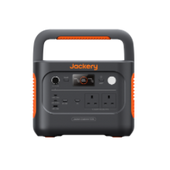
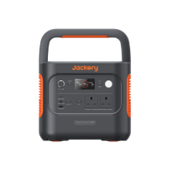
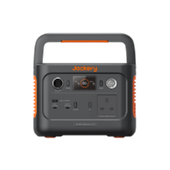
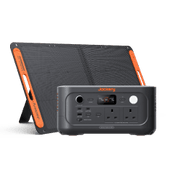
That is why a portable power station can make sense for aquarium owners, especially during outages or in homes where you want a quieter alternative to a fuel generator. Jackery positions its portable power stations as battery-powered backup power solutions for home use, with AC outlets for standard appliances and the option to recharge from mains, car charging, or compatible Jackery Solar Panels.
Jackery Explorer 3000 v2
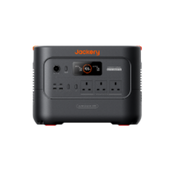
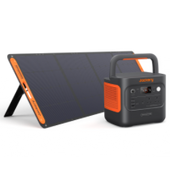
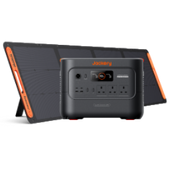
The Jackery Explorer 3000 v2 is the better fit for people who want more margin, longer runtime, or the flexibility to support a larger tank and a few household essentials at the same time. It has 3,072Wh capacity, 3,600W continuous output, and 7,200W surge power, with 3 UK AC sockets, 2 USB-C ports, 2 USB-A ports, and a 12V car port. It also supports UPS mode within 20ms, which makes it especially relevant for outage planning.

3072Wh Capacity, 3600W Output
Engineered for Off-grid & home power needs, this Explorer 3000 v2 delivers 3,072Wh capacity with 3,600W pure sine wave output (7,200W surge) – enough to run kettles, power tools and other outdoor electrical appliances. It features 3x 230V~13A UK sockets, 2x 100W USB-C (for laptops), 2x 18W USB-A, and a 12V Car Port to simultaneously charge fishing tank, filter, lighting and more.
47% Smaller – Power Uncompromise
Delivers a massive 3072Wh while being 47% more compact and 43% lighter than similar models—easy to store at home. Built with advanced CTB (Cell-to-Body) tech, also used in EVs, for a stronger, more compact design. With inverter and PV combined, and battery cells built into the base, it boosts space efficiency by 14% (vs. Explorer 3000 Pro) and enhances durability for safer use.
Long-Lasting LiFePO4 Battery
Enjoy up to 4,000 charge cycles with advanced LiFePO₄ cells — delivering 10 years of reliable power for everyday and emergency use. With patented low self-discharge tech, the unit retains up to 95% charge after a full year in storage, always ready when you need it. Stay powered during outages with built-in UPS support, switches in under 20ms to keep essentials like lights and fridges running. Combined with passthrough charging, it’s a dependable emergency power solution.
Smart & Remote Control via App
Take charge from anywhere with the smart app — monitor, manage, and customise your power station with ease for a seamless and tailored energy experience. Certified by IEC, UKCA, FCC, SGS, UL, and TÜV for exceptional reliability, safety, and performance you can trust.
Jackery Explorer 2000 v2
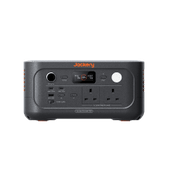
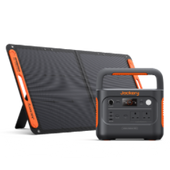
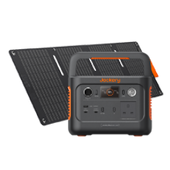
The Jackery Explorer 2000 v2 is the more compact option, but it is still a serious unit rather than a small emergency pack. It has 2,042Wh capacity and 2,200W output, built around a LiFePO4 battery, with 4,000 cycles, app control, and a 20ms UPS function compliant with UL1778 standards. That makes it a sensible match for a standard home aquarium where you want backup power without moving up to the larger 3kWh class.

2042Wh Capacity, 2200W Output
The Jackery Explorer 2000 v2 Portable Power Station delivers an impressive 2042Wh capacity and 2200W output, capable of powering most of your fish aquarium appliances. It also features 2 AC outlets, 1 USB-A 18W, and 2 USB-C ports ( 100W + 30W), allowing you to charge multiple devices like heater and filter simultaneously.
Easy-to-Take in Your Home
Introducing the world’s first 2kWh LiFePO4 power station with advanced EV-grade CTB (Cell to Body) Structure technology⁵, designed to be lighter and more compact at just 38.6 lbs — about the weight of a suitcase. With a foldable handle for easy carrying, it’s the perfect power solution for putting in your home.
Fast Charging in Less 1 Hour
With Emergency Super Charge Mode, easily activated via the Smart App, the power station charges from 0% to 80% in just 52 minutes—perfect for when you need power in a hurry. Even in regular AC charging mode, a full charge takes only 103 minutes.
Reliable Power for 10 Years
Its LiFePO4 battery cell supports up to 4000 charge cycles, along with a foldable solar panel designed for up to 4000 uses. 62 layers of all-encompassing protection, featuring 12 protective algorithms and 4 layers of physical safety, ensuring complete coverage both inside and out.
How to Clean and Maintain an Aquarium Pump?
A good aquarium pump does not need constant attention, but it does need regular care. Most pump problems start in the same places: the impeller gets dirty, the shaft collects debris or limescale, the airline becomes restricted, or worn parts begin to vibrate and get noisy.
Start Safely Before Cleaning
Always switch the pump off and unplug it before putting your hands in the tank or taking the unit apart. If the pump is part of a filter, turn the whole unit off first and remove it carefully to a workspace where you can clean it without rushing.
How to Clean a Water Pump
For a water pump, the main cleaning job is usually the impeller area. The basic process is to remove the pump, open the impeller cover, take out the impeller assembly, and gently clean the impeller, shaft, and housing.
Fluval recommends cleaning pump components in clean water only with a small non-abrasive brush and specifically says not to use detergents or chemical cleaners. Take extra care with the shaft when you do this. Fluval notes that ceramic shafts need careful handling because cracks or breakage can lead to failure during operation.
If your pump is attached to a filter, it also helps to clean the media at the same time.
Simple Maintenance Tips that Make a Difference
A few habits help more than people expect. Keep the pump mounted securely so it does not vibrate against the cabinet or glass. Make sure hoses are not kinked or crushed. Replace dirty airstones before they cause excess back pressure. Clean the impeller and housing when flow drops, not only when the pump stops altogether. And when you reassemble the unit, make sure covers, seals, and fittings are back in the correct position before restarting.
FAQs
The following are frequently asked questions about the aquarium pump in the UK.
1. How big of a pump do I need for my aquarium?
It depends on the tank size and setup. For many tropical freshwater tanks, a pump or filter flow of around 4 times the tank volume per hour is a good starting point. Planted tanks may need gentle to moderate flow, while reef tanks usually need much more.
2. Can an air pump be too strong for a fish tank?
Yes. If the airflow is too strong, it can create excessive turbulence, stress some fish, and make the tank look constantly unsettled. That is why adjustable airflow or the right pump size matters.
3. How long will fish survive without a pump?
It varies by tank size, stocking level, temperature, and whether the water is still being oxygenated in other ways. Some fish may cope for a few hours, but the risk rises quickly in warm, crowded, or heavily stocked tanks. That is why backup power for essential equipment is so useful.
4. Can you oxygenate a fish tank too much?
In normal home aquarium use, it is uncommon to cause real harm just by adding aeration. The more common issue is too much water movement or turbulence for the fish, rather than “too much oxygen” itself. The goal is steady surface agitation, not violent bubbling.
Final Thoughts
Aquarium pumps may seem like a small part of a fish tank setup, but they have a big influence on daily tank health. From moving water through the aquarium to improving aeration and supporting filtration, the right pump helps create a more stable environment for fish, plants, and beneficial bacteria. That is why it is worth understanding the difference between water pumps and air pumps, how flow should be adjusted, and what to look for when choosing one for your tank.


