























































A plug socket is one of those everyday fittings you barely notice until something goes wrong. It may become loose, show signs of wear, stop meeting your needs, or simply look outdated compared with the rest of the room.
In some cases, the job is as simple as replacing an old socket with a new one. In others, it involves understanding wiring, safety checks, legal rules, and whether the work is really suitable for DIY.
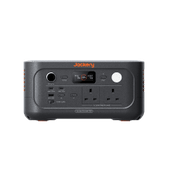
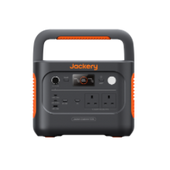
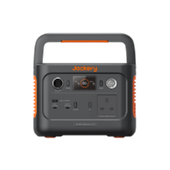
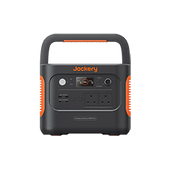
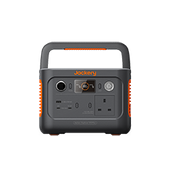
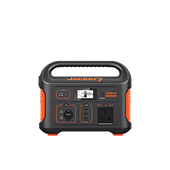
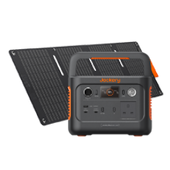
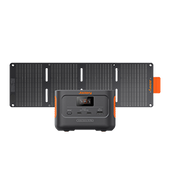
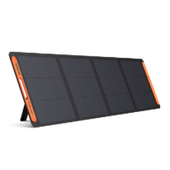
This guide covers the practical side of changing a plug socket in the UK. For homes that need more flexible access to power without altering fixed wiring, it also explores why a Jackery Portable Power Station can be a useful indoor and outdoor option.
|
Key Takeaways: |
|
When Do You Need to Change a Plug Socket?
A plug socket is one of those things most people ignore until it starts causing trouble. In many homes, sockets last for years without any obvious problems, but they do not stay safe forever. Knowing when to change a plug socket helps protect your appliances, reduce electrical risks, and keep your home working as it should.

The Socket Shows Visible Damage
One of the clearest signs is physical damage. If the socket faceplate is cracked, chipped, loose, or broken, it should be changed as soon as possible. Even small cracks can expose internal parts or allow dust and moisture to get in. You should also replace the socket if you notice:
- Scorch marks
- Burn marks
- Discolouration
- Melted plastic
- Bent openings
- Loose screws or a loose faceplate
The Plug Feels Loose in the Socket
A plug should fit firmly into the socket. If it slides out easily, wobbles, or does not sit securely, the internal contacts may be worn out. This can lead to poor electrical connection, overheating, or even sparking.
A loose socket is not just inconvenient. It can also become a safety issue, especially if you regularly use high-power appliances such as kettles, heaters, or washing machines.
You Notice Sparking or Burning Smells
A small spark can sometimes happen when plugging in certain appliances, but frequent sparking is not normal. If a socket sparks often, makes crackling sounds, or gives off a burning smell, it may be damaged inside and should be replaced promptly.
The Socket Feels Hot During Use
A plug socket should not become hot when used normally. Slight warmth may happen with heavy loads, but noticeable heat usually points to a problem such as a loose connection, worn parts, or overloaded wiring.
The Socket Is Old and Worn Out
Older sockets can become less reliable over time, even if they do not look badly damaged. Springs weaken, internal contacts wear down, and materials age. If your home has very old sockets that have been in place for many years, replacement may be a sensible upgrade, especially during renovation work. This is often the right time to change a plug socket:
- During a home refurbishment.
- When rewiring part of the house.
- When updating an older property.
- When replacing outdated electrical fittings for safety and appearance.
The Socket Has Been Exposed to Moisture
Sockets near kitchens, bathrooms, garages, sheds, or outdoor walls can be affected by dampness or water exposure. If there are signs of rust, staining, corrosion, or moisture damage, the socket should be inspected and often replaced. In these locations, it may also make sense to fit a more suitable socket type designed for the environment.
You Have Increased Power Demands at Home
Homes often use more devices now than they did a few years ago. If a socket is constantly overloaded with adaptors, extension leads, or multi-plug accessories, it may be time to replace it with a more practical setup.
In some cases, a socket upgrade can be part of making power use safer and more convenient. For indoor and outdoor energy needs where a fixed socket is not practical, a portable option such as a Jackery Portable Power Station can also be useful, especially for temporary power, garden use, travel, or backup situations.
Is It Legal to Change a Plug Socket Yourself in the UK?
Yes, in many cases it is legal to change a plug socket yourself in the UK, but there is an important condition: the work must comply with the relevant building regulations and electrical safety standards.
In England and Wales, the rules sit under Part P of the Building Regulations. The regulations do not say that only electricians can do the work, but they do require electrical work in homes to be safe and compliant.
For a simple socket replacement, such as swapping an existing socket for a similar one on an existing circuit, this is generally treated as non-notifiable work outside special locations.
All work still needs to meet the safety requirements of the Building Regulations and follow BS 7671, the UK wiring rules. If the socket is in a special location, or the job goes beyond a straightforward replacement, the legal position changes.
Safety Precautions to Change a Plug Socket
Changing a plug socket may look like a small DIY task, but it still involves working with your home’s electrical system. Before you remove a faceplate or touch any wires, take a few basic precautions to reduce the risk of electric shock, short circuits, or damage to the new socket.

Turn Off the Power Completely
The first and most important step is to switch off the power to the socket at the consumer unit. Do not rely on simply turning the socket switch off at the wall, because the wiring behind it may still be live. Isolate the correct circuit before doing anything else.
Do Not Work with Wet Hands or in Damp Conditions
Water and electricity are a dangerous combination. Make sure your hands are dry, the floor is dry, and the area around the socket is free from moisture. This is especially important in kitchens, utility rooms, garages, and outdoor areas where damp conditions are more common.
Use the Right Tools
Use insulated screwdrivers and suitable electrical tools rather than whatever happens to be nearby. Proper tools help you work more safely and avoid damaging the socket, screws, or wiring.
Check the Socket and Wiring Condition
Once the old socket is removed, take a careful look at the wiring. If the wires are burnt, brittle, loose, corroded, or difficult to identify, do not continue as if it is a routine swap. A damaged cable or poor existing connection may point to a bigger electrical issue.
Do Not Ignore Signs of Burning or Overheating
If the old socket shows burn marks, melted plastic, or a strong smell of overheating, treat that as a warning sign. Replacing the faceplate alone may not solve the real problem. The issue could be with the wiring, the circuit load, or the connections behind the socket.
Test the New Socket After Installation
Once the socket is fitted and the power is restored, test it properly before regular use. Check that it is secure, functioning correctly, and not heating up. A socket tester can help confirm that the wiring is correct.
- Switch off the power at the consumer unit
- Test the socket before touching wires
- Keep hands and surroundings dry
- Use insulated tools
- Photograph the wiring before removal
- Check for burn marks or damaged cables
- Avoid trapping wires behind the socket
- Test the new socket after fitting
- Get professional help if anything looks wrong
Understand the Plug Socket Wiring
If you are writing about plug socket wiring in the UK, it helps to separate two related ideas. The first is the socket terminal layout itself. The second is how that socket connects into the house circuit. Once those two parts are clear, plug socket wiring becomes much easier to understand.
What Each Wire Does
The live wire carries electrical current from the supply to the appliance. It is the conductor that delivers power. In a socket, this wire goes to the L terminal. Because it carries the current into the appliance, it is the most dangerous conductor to touch when a circuit is live.
The neutral wire carries current back from the appliance to complete the circuit. It connects to the N terminal. Although people sometimes assume neutral is harmless, it still forms part of the circuit and should never be treated casually.
The earth wire is the safety path. It does not normally carry current during standard use. Instead, it provides a low-resistance route to earth if a fault develops, helping protective devices disconnect the supply quickly. The earth wire connects to the E terminal and is coloured green/yellow in modern UK wiring.
- L = Live
- N = Neutral
- E = Earth
The sockets in the UK are traditionally installed in a ring final circuit arrangement, generally protected by a 32A MCB or RCBO, with the circuit commonly using 2.5 mm² wiring. The system also relies on each appliance being protected by its own fuse in the BS 1363 plug or fused connection unit.
|
Part of Socket Wiring |
Terminal Marking |
Modern UK Wire Colour |
Older UK Wire Colour |
Main Function |
Key Detail |
|
Live wire |
L |
Brown |
Red |
Carries current from supply to appliance |
Must be connected to the live terminal with correct polarity |
|
Neutral wire |
N |
Blue |
Black |
Returns current to complete the circuit |
Must not be confused with live |
|
Earth wire |
E |
Green/Yellow |
Green |
Safety conductor for fault protection |
Critical for shock protection and safe disconnection |
|
Ring final circuit connection |
L / N / E terminals |
Usually two conductors of each type at many sockets |
Same principle in older systems |
Feeds sockets as part of a looped circuit |
Commonly protected by a 32A MCB or RCBO |
|
Appliance protection |
In BS 1363 plug |
Not a wire colour item |
Not a wire colour item |
Protects the appliance flex and connected device |
UK system relies on the plug fuse as part of overall protection |
|
RCD protection |
At consumer unit |
Not applicable |
Not applicable |
Helps reduce electric shock risk |
Most domestic circuits are expected to have RCD protection under BS 7671 |
How to Safely Change a Plug Socket: Step-by-Step Guide
Changing a plug socket in the UK can be a manageable DIY job only when it is a straightforward like-for-like replacement on an existing circuit. It still needs to be done safely, with the power isolated and the wiring checked carefully. In England, replacing an existing socket is generally non-notifiable outside special locations under Part P; Wales also treats replacing an electrical fitting as minor work, but location still matters.
The most important point is this: do not start if you are unsure, if the wiring looks damaged, or if the socket is in a higher-risk location such as around a bath or shower area, outdoors, or part of a more complex alteration.

Materials and Tools You May Need
Before you begin, gather everything first so you are not stopping halfway through the job.
- Replacement socket of the correct type
- Insulated screwdrivers
- Voltage indicator or approved tester
- Socket tester for the final check
- Small torch
- Camera or phone to record the existing wiring
- Green/yellow sleeving if the earth conductor needs proper sleeving
- Wall plugs and screws if the faceplate fixings are damaged
Step 1: Make Sure It Is the Right Job for DIY
Only continue if this is a simple replacement of an existing socket with a similar one. Replacing an accessory is very different from adding a new socket, changing circuit layout, or dealing with damaged cables. If the socket has heavy burn marks, melted plastic, loose conductors, or signs of overheating in the back box, stop there and get a qualified electrician.
Step 2: Switch Off the Correct Circuit
Go to the consumer unit and switch off the breaker for the socket circuit. Do not rely on switching the socket off at the wall. The supply to the wiring behind the faceplate may still be live unless the circuit is isolated properly.
Step 3: Prove the Circuit Is Dead
Test the socket with an approved voltage indicator or suitable tester before touching any conductors. The testing is essential and that the absence of voltage must be verified, not guessed. A simple practical routine is:
- Test your indicator on a known live source
- Test the socket you are working on
- Re-check the indicator on a known live source again
Step 4: Remove the Faceplate Carefully
Unscrew the old socket faceplate slowly and ease it forward. Do not tug it out fast, because the wires behind it may be short or stiff. Once it is forward, look inside without disconnecting anything yet. This is the moment to check for:
- Scorch marks
- Damaged insulation
- Loose copper
- Corroded terminals
- Overcrowded wiringSigns of heat or moisture
If you see any of these, treat it as more than a routine accessory swap.
Step 5: Photograph the Existing Wiring
Before moving a single wire, take a clear photo of the terminals and conductor positions. This helps you match the new socket exactly.
In a standard UK socket, the conductors should be connected to:
- L = live
- N = neutral
- E = earth
Modern colours are usually brown live, blue neutral, and green/yellow earth. Older installations may use red live and black neutral, so do not rely on assumption alone.
Step 6: Disconnect the Wires One at a Time
Loosen the terminal screws and remove the conductors carefully. Try to keep them in order rather than pulling everything free at once. If the copper ends are badly twisted, damaged, or blackened, that is another sign to stop and get the wiring checked.
Many UK sockets are on a ring final circuit, so you may find more than one conductor in each terminal. If the layout seems more complicated than expected, do not guess. A ring final circuit depends on correct continuity and terminations.
Step 7: Prepare the New Socket
Check that the new socket matches the rating and style of the old one. Look at the rear terminal markings and confirm where L, N, and E are located. If the earth conductor does not already have green/yellow sleeving where needed, fit sleeving before termination.
Step 8: Connect the Wires to the New Socket
Transfer the wires into the matching terminals:
- Live to L
- Neutral to N
- Earth to E
Push each conductor fully into the correct terminal so that bare copper is properly clamped and not left exposed outside. Tighten firmly, but do not overtighten to the point of damaging the conductor or terminal.
Step 9: Check the Connections Before Refitting
Before you screw the socket back, pause and inspect:
- Are all wires in the correct terminals?
- Are the screws tight?
- Is bare copper exposed outside the terminal?
- Is the earth sleeved where needed?
- Are any wires strained, trapped, or sharply bent?
This quick check can prevent a lot of avoidable faults.
Step 10: Restore Power and Test the Socket
Turn the circuit back on at the consumer unit. Then test the socket with a socket tester to confirm that the wiring is correct and the outlet is functioning properly. After that, plug in a low-risk item such as a lamp or phone charger first. Do not start with a heavy-load appliance straight away.
How to Install a New Plug Socket on a Solid Wall?
Installing a new plug socket on a solid wall in the UK involves creating a new cable route and cutting into masonry. This requires careful consideration, adherence to Building Regulations (BS 7671 and Approved Document P), and specific tools. Some work may be notifiable to your local building control, and work on new circuits must be approved.

- Suitability and Legality: Confirm if the job involves extending an existing circuit (a spur) or creating a new circuit. Verify the circuit capacity and protection. Contact an electrician if you have any doubts about regulatory compliance.
- Socket Position: Choose a practical location and ensure the cable route adheres to standard safe zones (typically vertical or horizontal from the socket, not diagonal).
- Chasing into Walls: The chase should not weaken the wall. In industry practice, horizontal chases are shallower than vertical ones and their depth and position should be carefully considered to maintain wall stability.
The following are the detailed steps to install a new plug socket on a solid wall.
Step 1: Isolate the Power Safely
Before touching any wiring, isolate the relevant circuit at the consumer unit and verify that it is dead using an approved tester.
Step 2: Mark and Cut
Mark the socket position and the intended cable route within the safe zone using a spirit level. Cut the recess for the back box and the wall chase.
Step 3: Fit the Back Box
Securely install the metal back box into the recess, ensuring it sits level and at the correct finished depth.
Step 4: Run and Connect the Cable
Run the cable from the supply point to the new socket position within the safe zone. Connect the cable correctly into the existing circuit. If you are extending a ring final circuit, ensure the connection maintains circuit continuity. Contact an electrician if you are unsure about circuit identification or connection methods.
Step 5: Wire the Socket
Connect the brown (Live), blue (Neutral), and green/yellow (Earth) conductors to the corresponding terminals on the socket faceplate. Secure all connections and ensure the earth conductor is properly insulated (sleeved).
Step 6: Secure and Finish
Fasten the cable as required and fill the chase to make good the wall surface.
Step 7: Test Before Use
Inspect and test the completed work to verify correct polarity, continuity, and safety before putting the new socket into normal service. This is not simply about whether a device works when plugged in. Electrical work requires verification for safe operation.
How to Change a Single to Double Plug Socket?
Upgrading a single plug socket to a double one in the UK is more than a faceplate swap; it usually requires replacing the single-gang back box with a larger double-gang version. All work must comply with BS 7671 and Building Regulations to ensure the safety of the existing installation.
First, you need to do the pre-installation checks:

- Back Box Compatibility: A double socket requires a wider wall opening and a deeper box to accommodate the wiring without mechanical strain or overheating.
- Circuit Suitability: Ensure you are modifying an existing point rather than adding a new circuit. If wires appear damaged, brittle, or overcrowded, consult a qualified electrician.
- Required Tools: You will need a double socket, a double-gang back box, insulated screwdrivers, a voltage tester, and a socket tester.
The following are the detailed steps to change a single to double plug socket
Step 1: Safe Isolation
Turn off the correct breaker at the consumer unit. Always use an approved voltage tester to prove the circuit is dead before touching any wires.
Step 2: Remove the Old Socket
Unscrew the single faceplate carefully. Inspect for signs of burning or loose connections. Photograph the wiring (Live, Neutral, Earth) for reference.
Step 3: Prepare the Wall
If the existing box is a single-gang, you must enlarge the wall opening and install a double-gang back box. Ensure the new box sits flush and secure.
Step 4: Transfer Wiring
Connect the conductors to the new terminals: Brown to L (Live), Blue to N (Neutral), and Green/Yellow to E (Earth). Ensure terminals are tight with no exposed copper.
Step 5: Position and Secure
Fold the cables neatly into the box without pinching or crushing them. Screw the faceplate into the back box evenly using a spirit level.
Step 6: Test the Installation
Restore power and use a plug-in socket tester to verify correct polarity and earthing.
Safety Warning: If you encounter old wiring colors (e.g., Red/Black) or are unsure of the circuit type, stop and contact a registered electrician.
Common Mistakes to Avoid When Changing a Plug Socket
Changing a plug socket may seem like a small job, but most problems happen when people rush the basics. A socket can look simple from the outside, yet a poor connection, damaged cable, or wrong fitting can create overheating, arcing, or long-term safety issues.

1. Not Switching Off the Circuit Properly
One of the biggest mistakes is assuming that turning the socket switch off at the wall is enough. It is not. The circuit must be isolated at the consumer unit before any work starts. Skipping that step turns a basic repair into a shock risk.
2. Failing to Test That the Socket Is Dead
Even after switching off the breaker, you should not assume the socket is safe to touch. Circuits can be labelled incorrectly, especially in older homes. Testing the socket before touching any wiring is a basic safety step, not an optional extra.
3. Mixing Up Live, Neutral, and Earth
Incorrect wiring is another common mistake. A socket may appear to work even when the conductors are in the wrong terminals, but that does not mean it is safe. Wrong polarity or a missing earth can affect both shock protection and appliance safety.
4. Leaving Loose Connections
Loose terminals are one of the most serious mistakes because they can lead to overheating over time. Unsatisfactory electrical connections, including loose connections showing signs of overheating and conductors incorrectly inserted or located in terminals.
5. Ignoring Signs of Existing Damage
Some people replace the front of a socket without paying attention to what is behind it. That is risky. If the old socket has scorch marks, melted plastic, cracked insulation, corrosion, or signs of heat damage, the issue may not be the faceplate alone. Checking plugs and sockets for burn marks, overheating, and signs of arcing such as buzzing or crackling.
Jackery Portable Power Stations Explained
For many homes, changing a plug socket sounds like the obvious fix when there are not enough outlets. Sometimes that does make sense. But it is not always the easiest or most flexible solution. If you mainly need extra power access for everyday appliances, temporary setups, or backup use, a Jackery Portable Power Station can be a practical alternative or a useful addition to your existing sockets.
Indoors, they can help during a power cut or provide temporary backup for small essentials. Outdoors, they can be useful for garden work, camping, van travel, or charging devices away from the house.
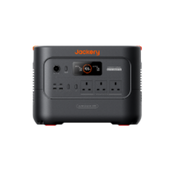
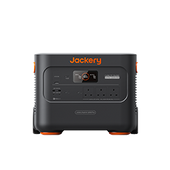
Jackery Explorer 3000 v2
When comparing the installation of a fixed UK plug socket (like adding a double-gang socket to a solid masonry wall) against the Jackery Explorer 3000 v2, the choice depends on whether you need a static connection or a versatile power ecosystem.

Power Capacity and Output (The "Load" Advantage)
Adding a standard socket or a "spur" to an existing UK ring final circuit is strictly limited by the circuit’s total load (usually 32A for the whole floor). Provides a massive 3600W continuous output (7200W surge). This is effectively like having a dedicated 16A circuit in your hand.
You can plug high-draw appliances (like a 3kW electric heater and a kettle) into the Jackery without worrying about tripping the main house breaker or overloading an old ring circuit. It acts as an independent "power island."
Integrated UPS and Indoor Protection
A wall socket is "dead" the moment the National Grid fails. The 3000 v2 features a <20ms Uninterruptible Power Supply. If you wire your sensitive indoor gear (PC, Wi-Fi, Medical equipment) through the Jackery, it provides seamless protection that a standard wall socket simply cannot offer.
To get this same level of protection with fixed wiring, you would need to install a costly home battery storage system and a transfer switch.
Avoiding Structural and Regulatory Hassles
Installing a new socket on a solid UK wall is a destructive process (as seen in the "Step-by-Step" guide). You avoid cutting "chases" into brickwork, which can weaken the wall structure and creates significant dust and noise.
Adding sockets in "special locations" (like kitchens or outdoors in Wales) can be notifiable work under Building Regulations. The Jackery is a portable appliance, requiring zero paperwork, testing certificates, or Part P compliance.
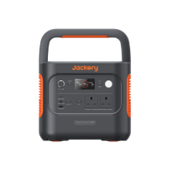
Jackery Explorer 2000 v2
If the 3000 v2 feels like "too much" (either in price or size), the Jackery Explorer 2000 v2 is often the "Sweet Spot" for the UK market. It offers nearly the same technical benefits but in a much more manageable, portable package.
It delivers 2200W of continuous power (4400W surge). It uses LiFePO4 chemistry, rated for 4,000+ cycles (approx. 10 years of daily use).

The "Instant Double Socket" Without the Dust
Adding a new double socket to a solid wall requires masonry work and chasing (as we discussed earlier). It provides multiple AC outlets and high-speed USB-C ports instantly. You don't need an electrician, you don't need to re-plaster, and you don't need to worry about the "safe zones" for cables behind your wallpaper.
Independent Power (The Ring Main Limit)
A standard UK ring final circuit is usually fused at 32A. If you add more sockets and plug in a heater, a kettle, and a vacuum at once, you risk tripping the main breaker. It acts as an independent 2200W circuit. You can run high-draw appliances from the Jackery while the wall socket powers other items, effectively increasing your home's total power capacity without upgrading your consumer unit.
True Indoor/Outdoor Hybrid
Fixed sockets are stationary. The 2000 v2 is built using the same CTB (Cell-to-Body) technology as the 3000 v2, which integrates the batteries directly into the chassis for maximum space efficiency. At only 17.5 kg, it is roughly 35% lighter than the 3000 v2.
How Much Does It Cost to Change a Plug Socket?
In the UK, the cost to change a plug socket usually depends on whether you are replacing an existing socket like-for-like or doing something more involved, such as moving it, adding a new point, or installing an outdoor socket.
For a simple replacement, the total cost is often driven more by the electrician’s minimum visit charge than by the price of the socket itself. Electricians typically charge around £45–£50 per hour, while call-out fees often fall between £40 and £90.
For a like-for-like replacement of a plug socket, replacing five light switches or plug sockets like-for-like costs around £100 total and takes two to three hours, which works out at roughly £20 per socket when done in a batch. The same guide says a single like-for-like replacement typically costs around £75 including materials, mainly because electricians often charge a minimum labour block even for small jobs.
|
Job Type |
Typical UK Cost |
|
Replace one socket like-for-like |
around £75 |
|
Replace several sockets in one visit |
around £100 for five |
|
Install a new plug socket |
£85–£200 |
|
Move a plug socket |
around £150 |
|
Install an outdoor socket |
£75–£150 or £130–£260 depending on complexity |
FAQs
The following are frequently asked questions about changing a plug socket in the UK.
1. Can a non-electrician replace an outlet?
Yes, a non-electrician can replace a like-for-like socket outlet in the UK, but it must be done safely and correctly. In England, small jobs such as replacing an existing socket are generally non-notifiable, while work in kitchens, bathrooms, and other special locations has extra rules. If you are unsure, use a qualified electrician.
2. Which wires go to L1 and L2?
L1 and L2 are usually switch terminals, not standard socket terminals. On a typical UK light switch, the permanent live commonly goes to COM, and L1/L2 are the switched terminals depending on whether it is one-way or two-way switching.
3. How long does it take to change a plug socket?
Changing an existing plug socket usually takes about 15 minutes to 1 hour for a simple like-for-like swap, though many trade sites quote up to 1–2 hours including testing and setup.
Final Thoughts
Changing a plug socket may seem like a small home improvement job, but it involves more than replacing a front plate. Safety, correct wiring, legal compliance, and practical installation details all matter. A simple like-for-like swap can often be manageable, but larger upgrades such as adding a new socket, fitting one into a solid wall, or converting a single socket to a double require much more care.
For homeowners, the most sensible approach is to know the difference between a straightforward replacement and a job that calls for professional help. And if the main goal is simply to get more convenient access to power around the home, a Jackery Portable Power Station can also be a smart option.


