





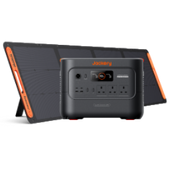
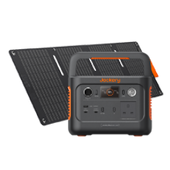


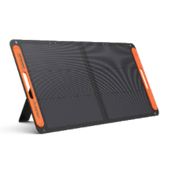
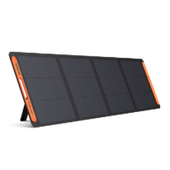
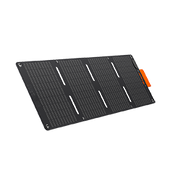
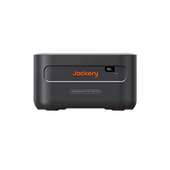
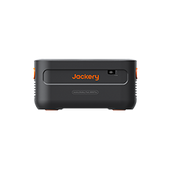


























For years, skyrocketing energy bills and the steep structural demands of traditional rooftop installations have locked UK renters out of the green energy revolution. However, a historic regulatory shift in 2026—marked by Amendment 4 to the BS 7671 wiring regulations—officially permits plug-in solar systems up to 800W, making sustainable living accessible to tenants nationwide.
These non-invasive, 100% portable setups require no drilling or permanent modifications, allowing you to simply unplug the unit and pack it into your car trunk when your lease ends. As top-tier manufacturers prepare to launch certified retail kits, next-generation innovations like the Jackery SolarVault 3 Series are leading the charge.
|
Key Takeaways: |
|
Solar Batteries for Tenants: What are They and How Do They Work?
For a long time, tenants have been unable to benefit from solar power due to persistently high energy bills and the steep barriers to entry—such as high costs and installation requirements—associated with traditional rooftop solar systems.
However, with the UK government set to amend wiring regulations to allow "plug-in" solar systems to enter the retail market, these devices are poised to become a popular choice for tenants across the country.
Why are Plug-in Battery Systems an Ideal Choice for Tenants?
For those who rent, these solar systems offer a tailor-made solution with several key advantages:
- Truly Non-Invasive Installation: These systems require absolutely no drilling into walls, complex wiring, or modifications to existing distribution boards. When moving out, you simply unplug the unit, leaving no trace behind.
- Portability: These systems are inherently highly portable. When your lease ends and you move to a new home, you can simply pack the unit into your car trunk and take it with you to use at your new property.
- Exceptional Cost-Effectiveness: Traditional rooftop solar-plus-battery systems can easily cost between £8,000 and £15,000. In contrast, plug-in systems typically range from £500 to £1,500.
How Do Plug-in Battery Systems Work?
The daily operation of a plug-in solar battery system is a fully automated, intelligent cycle consisting of the following steps:
- Energy Harvesting: Portable solar panels placed on balconies, patios, or in gardens absorb sunlight during the day and convert it into direct current (DC) electricity. This DC power is transmitted via waterproof cables directly to the connected plug-in battery unit.
- Smart Distribution and Storage: The system prioritises supplying some or all of the solar energy directly to household appliances. Excess solar energy is stored in the battery for use at night or during periods when solar generation is unavailable. In the absence of sunlight, the battery can also be programmed to charge itself using lower-cost grid electricity drawn from a standard wall outlet.

Is It Legal for Tenants to Install Solar Batteries?
The legality of renters installing "plug-in" solar systems in the UK has lately changed dramatically. On March 24, 2026, Energy Secretary Ed Miliband said that certified kits will be available in UK stores "within months". A detailed review of the legal aspects:
What Has Changed Legally in 2026?
Until recently, attaching a plug-in solar system to a typical UK home outlet was not authorised under BS 7671 wiring requirements. That changed with Amendment 4, which went into effect in April 2026 and updated the laws to officially enable plug-in solar systems of up to 800W.
Before joining your system, you must send a G98 notification to your local District Network Operator (DNO). This is a free, easy online form that most DNOs can complete easily. It is a notice, not an approval request; you do not need to wait for permission; simply notify.
Do Renters Need Landlord Permission?
This is the most commonly asked question, and the answer is complicated. Tenants in England now have more rights to renovate their houses thanks to the Renters' Rights Act 2025. Most legal research implies that tenants can install approved plug-in solar systems that do not need permanent fixes (i.e., the panels clip onto a balcony rail or stand freestanding, rather than being fastened to the wall).
However, there are a few things to bear in mind.
1. The legislation was not created particularly for plug-in solar, and case law has not yet tested it.
2. Your leasing agreement may contain terms that prohibit improvements to the property.
3. Some leasehold properties have limits on balcony usage and external changes.
Note: Even if permission is not absolutely necessary, you should contact your landlord in writing before installing. Most landlords are unlikely to object to a system that requires no drilling, does no harm, and can be removed when you move out. Keeping a written record also protects you.
Where Can Solar Battery Systems for Tenants Be Installed If There is No Roof Access?
If you are renting and cannot utilise or change the roof, you can benefit from the versatility of plug-in solar systems. As long as there is sunshine, the following alternate places are excellent for installation and placement:

Balconies
Balcony solar panels are lightweight and may be firmly fastened to iron railings with heavy-duty hooks or clamps. Meanwhile, plug-in battery packs, which are normally IP65-rated for water and dust protection, may be put immediately on the balcony's shaded area.
Patios
Ground-level outdoor area is ideal for plug-in solar, especially with an adjustable ground stand that allows you to choose the best tilt angle. No fixes are required. Place the battery in your basement, kitchen, or on a covered balcony, and link it to the outdoor panel with a lengthy wire.
Spacious South-Facing Windowsills or Bay Windows
Solar panels may be placed flat on a large bay window sill. The battery unit may be put just beneath the window, just like any other indoor appliance, and connected to a nearby electrical outlet. Because this area is totally within your own interior space, landlords typically have no reason to disagree.
Flat Roofs of Outbuildings
If your rental property has a shed, garage, or lean-to with a flat or south-facing roof, this is frequently the best location – out of the way, no balcony railing required, and easy to connect to an outdoor outlet. If a moisture-resistant electrical outlet is already present within the shed, the battery can be installed immediately in it.
Solar Batteries for Tenants: What Capacity is Needed?
Instead of one fixed size, batteries are usually chosen based on capacity (kWh), which determines how long they can power your devices. For the vast majority of renters, the most practical battery capacity falls between 1 kWh and 5 kWh. Here are some capacity recommendations:
- 1 kWh – 2 kWh: For basic use, a small plug-in solar battery storage system, around 1–2 kWh, is usually enough to run essentials like lights, routers, and laptops in the evening.
- 2 kWh – 5 kWh: If you want to cover more appliances such as TVs, fans, or work-from-home setups, a mid-size system of around 2–5 kWh is more suitable.
- 5 kWh+: Larger homes or users who want backup power during outages may need 5 kWh or more, depending on their daily consumption.
Note: A simple way to think about sizing is that most households only need enough storage to cover evening and night usage rather than the entire day. For this reason, many "plug-in" solar batteries (e.g., Jackery SolarVault 3 Series) are an excellent choice, as they are designed to provide partial energy independence rather than enabling a completely off-grid lifestyle.
Why Shouldn't Tenants Buy Higher-Capacity Batteries?
Purchasing a higher-capacity battery is generally not recommended for tenants due to two key practical constraints:
- Solar Input Limitations: Tenants cannot install large-scale rooftop solar arrays; they are usually limited to mounting one or two portable 400W–800W panels. If you buy a large-capacity battery, your solar panels may never be able to fully charge it, resulting in wasted capacity.
- The Burden of Weight When Moving: A safe 1kWh LiFePO4 (Lithium Iron Phosphate) battery weighs roughly 10–15 kg, whereas capacities exceeding 3kWh often see the weight soar to over 30 kg. If you move frequently, an excessively heavy battery becomes a major hassle.
Solar Batteries for Tenants: Key Selection Criteria
When kits go on sale in the UK, not all will be the same. With so many items on the market, how can you prevent making a terrible purchase? When choosing a system, consider the following critical factors:

UK BSI Certification
A new BSI product safety standard (due in July 2026) will establish the certification standards that manufacturers must achieve, therefore seek for the certification mark while purchasing. European CE marks are insufficient for the UK market and should not be depended on exclusively.
Cost
Mainstream "plug-in" battery systems for renters (with micro-inverters) generally cost between £500 and £1,500. Choosing the cheapest choice might be problematic because less expensive systems sometimes lack durability, safety features, and efficiency.
After-Sales Service and Warranty
A strong warranty indicates that the product is reliable. Repairs or replacements may be costly and stressful if not supported adequately. Top-tier battery brands in the UK often provide a ten-year warranty. If the warranty is for shorter than five years, proceed with care.
Battery Type
Look for Lithium Iron Phosphate (LiFePO4, or LFP) batteries. Compared to traditional lithium batteries (NMC), LFP batteries are exceptionally safe and pose almost no risk of thermal runaway (fire), which is critical for renters living in flats or using the system inside.
Dimensions and Weight
As the renter may need to relocate in the future, the equipment must have an ergonomic handle or wheel design. Ideally, a single unit should weigh between 20 and 30 kg, alternatively it could be modular and removable, allowing a single person to easily carry it upstairs.
Monitoring App
Most high-quality kits (such as the Jackery SolarVault 3 series) come with an accompanying app or web dashboard that allows you to track real-time output, total generation, and predicted savings. This is especially important in a rental house, when you want to show your landlord that the system is safe and non-invasive.
Scalability and Modular Design
Rental living arrangements, such as the number of residents or available space, frequently change, and power requirements vary correspondingly. Prioritise systems with modular, stackable designs (for example, the Jackery SolarVault 3 Series). If your energy demand rises in the future, you can simply put an extension battery on top, eliminating the need to purchase a new, expensive converter.
The Jackery SolarVault 3 Series is Jackery’s next-generation home solar storage solution, designed to help households generate, store, and use solar energy more efficiently. The series includes the SolarVault 3 Pro, SolarVault 3 Pro Max, and SolarVault 3 Pro Max AC, offering flexible options for balcony solar systems, existing PV installations, and larger home energy setups. With an integrated inverter, LiFePO4 battery technology, smart energy management, and expandable storage from 2.52 kWh to 15.12 kWh, the SolarVault 3 Series brings solar storage into a compact, modular, all-in-one system.
The system works by collecting solar power from connected panels, storing surplus electricity in the battery, and automatically supplying that energy when the home needs it most, such as in the evening, during peak electricity prices, or during a power outage. The SolarVault 3 Series can optimise solar generation even when panels face different directions or experience partial shading. Its AI-driven energy management helps balance solar production, household demand, battery charging, and electricity tariffs for smarter daily use.

How Much Money Can Tenants Save by Installing Solar Batteries?
As the UK government relaxes regulations and collaborates with retailers to promote "plug-in" solar and battery systems, it has become a practical reality for tenants to use such energy storage equipment to lower their high energy bills.
For tenants, these systems eliminate the need for expensive professional installation—costs for traditional battery setups often reach £1,000—and offer the flexibility to take the equipment along when moving house.
The following analysis examines the cost-saving potential, profitability model, and payback period of a plug-in battery system (using a typical setup of a 2kWh battery paired with an 800W solar panel).
How Much Can Tenants Save?
Tenant savings stem from a combination of two factors: self-consumption of solar energy during the day and smart tariff arbitrage at night. Based on current electricity rates of approximately 24–25 pence per kWh: (solar self-consumption alone)
An 800W balcony solar system generates an average of 200–500 kWh annually in the UK. When paired with a 2kWh battery that stores energy for evening use, tenants can directly save around £100–£250 per year on electricity costs (estimates for reference only).
How Long Does It Take for a Tenant to Recoup the Investment?
The payback period for a solar battery system is determined mostly by the initial investment cost and the tenant's power use patterns. With kits starting at £500-£700, the payback period is usually 4-6 years (for reference only).
After that, each unit of solar power you produce is virtually free. Savings are greatest when you are at home during the day — or when energy-hungry appliances like washing machines, dishwashers, and tumble dryers are set to operate on a timer during daylight hours. And, unlike rooftop solar, you can take the system with you when you relocate; it is not left behind as a benefit to the landlord.
Maintenance and Replacement of Solar Batteries for Tenants
Plug-in solar battery systems designed for tenants involve significantly lower maintenance costs and complexity compared to traditional systems. However, the UK's unique climate—characterised by dampness and cool temperatures—imposes specific requirements for equipment care.
Maintenance Recommendations
Routine maintenance is primarily the tenant's responsibility. To ensure optimal performance and extend the battery's lifespan, consider the following guidelines:
- Shallow Charging and Discharging: Avoid letting the battery drain completely (0%) or keeping it fully charged (100%) for extended periods. Ideally, maintain the charge level between 20% and 80% (or 90%) for daily use.
- Regular Cleaning: Dust and dirt can hinder heat dissipation from the battery casing. It is recommended to gently wipe the battery surface with a clean, dry, soft cloth every quarter.
- Periodic Visual Inspection: In addition to cleaning, regularly inspect the casing for bulges, cracks, or signs of leakage, and ensure that terminals are neither loose nor corroded.
- Software Updates: Keep the battery firmware up to date; manufacturers often release updates to optimise charging algorithms or patch security vulnerabilities.
Signs That Replacement Is Needed
Plug-in batteries typically have a lifespan of 10 to 15 years. Tenants should consider replacing the battery if the system exhibits the following signs:
- Significant Capacity Degradation: The app shows the battery is fully charged (100%), yet the energy depletes much faster than usual during peak evening usage—for instance, lasting less than two hours instead of the previous four.
- Abnormally Slow or Failed Charging: Even with normal solar panel output or when charging from the grid during off-peak hours, the battery percentage remains stuck for extended periods, or charging takes twice as long as usual.
- Visible Bulging or Deformation: If you notice any swelling or warping on the plastic or metal casing, or if the unit feels abnormally hot to the touch in specific areas, stop using it immediately and disconnect the power supply.
FAQs
The following are the frequently asked questions about solar battery for tenant:
1. Why renters have always been shut out of solar?
Traditional rooftop solar needs extensive installation, including scaffolding, structural mounting, electrical work, and a big expenditure that only makes sense if you own the property and want to stay. For a tenant, it is just not feasible.
2. Is a battery worth adding for renters?
A house battery (usually costing £500-£700) stores excess solar power generated throughout the day for usage in the evening. Renters benefit from the battery's mobility because it may be taken with them when they relocate.
3. Can tenants benefit from a plug-in battery?
Plug-in batteries are inexpensive, require no authorisation to install, and may be removed and relocated to another residence. This implies that the UK's nearly 9 million renting families, who are normally unable to make structural changes to their houses, may suddenly feel like active participants in the energy transformation owing to plug-in batteries.
4. Can my landlord make me remove plug-in solar systems?
This is determined by your lease agreement and if the installation includes any permanent fixtures. If the system is totally portable and does no harm, it is unlikely to be removed under current regulations — but check your rental agreement and get counsel if you are unsure.
5. What happens when I move?
You take the system with you. Unlike rooftop solar, nothing is permanently installed. Unplug, pack it away, then reinstall at your new address. This is one of the most convincing benefits of plug-in solar for renters.
6. Is a plug-in solar worth it?
Yes, a plug-in solar system may be beneficial for consumers who desire a simple approach to lower power expenditures without requiring extensive installation. It is especially beneficial for tiny households, tenants, and beginners. While it cannot replace a full rooftop system, it does give significant savings over time. The value is determined by your energy use and the amount of sunshine received.
7. Is a plug-in solar battery safe?
Yes, a fully approved plug-in solar battery is safe to use when properly placed. Overload protection, anti-islanding, and approved inverters are all safety measures that serve to mitigate electrical dangers. It is critical to follow manufacturer instructions and utilise appropriate parts.
8. Where can you buy a plug-in solar battery?
Renewable energy stores, internet marketplaces, and specialist solar providers all sell plug-in solar battery storage systems. As plug-in systems gain popularity, their availability increases. To ensure safety and performance, always opt for approved goods (such as the Jackery SolarVault 3 series) from reputable companies. Before making a purchase, it is also suggested that you read reviews and understand the warranty terms.
Conclusion
The arrival of plug-in solar batteries represents a massive win for the UK’s renting population, transforming them from passive consumers into active energy market participants. By combining non-invasive installation, portability, and modular flexibility, premium systems like the Jackery SolarVault 3 Series prove that you do not need to own a roof to beat high utility costs.
While maximising your annual savings of up to £250 requires choosing the right capacity and practicing smart battery maintenance, the long-term financial payoff remains highly compelling. Investing in a certified LiFePO4 system is no longer just a temporary fix—it is a portable, future-proof asset that travels with you to every new home.


![Guide to 10kW Solar Battery Price in the UK [2026 Update]](http://uk.jackery.com/cdn/shop/files/10kw_solar_battery_price_guide.webp?v=1780026743&width=90)

