
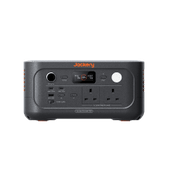

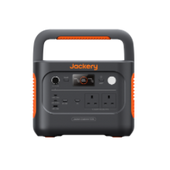

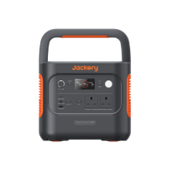

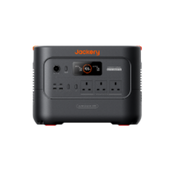



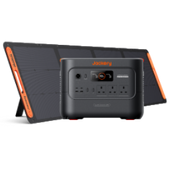
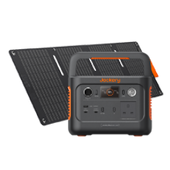
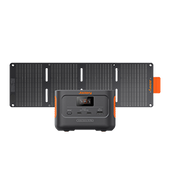
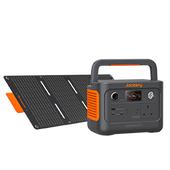
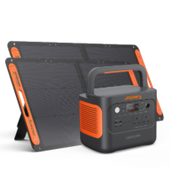
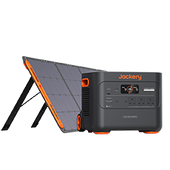

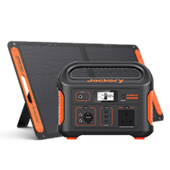
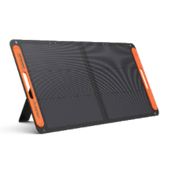
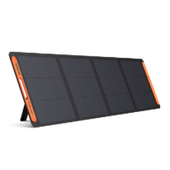
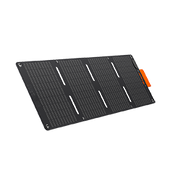
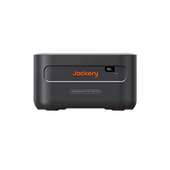


































Portable power stations, also known as portable renewable energy generators, are becoming increasingly popular in the UK as more people seek eco-friendly and cost-effective ways to power their homes, vehicles, and outdoor activities.
These compact and versatile devices store energy from the sun in batteries, which can then be used to power various appliances and electronics. This article will explore the typical applications of portable solar power stations, their average lifespan, and the maintenance skills for Jackery Portable Power Stations needed to ensure their longevity and efficiency.
|
Key Takeaways: |
|
Applications of Portable Power Stations
Portable solar power stations have a wide range of applications, making them ideal for both personal and professional use. Some of the most common applications include:
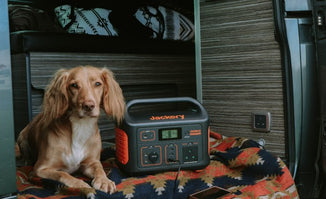
- Outdoor Activities: Portable power stations are perfect for camping, hiking, and other outdoor activities where traditional power sources are unavailable. They can charge or power tents, RVs, phones, laptops, camping gear, and other electronics.
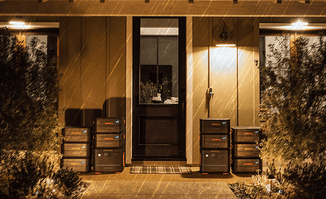
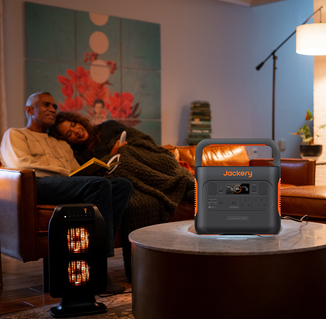
- Emergency Power: In case of power outages or natural disasters, portable solar power stations can provide backup power to keep essential appliances running, such as refrigerators, lights, and medical equipment.
- Mobile Offices: For people who work remotely or travel frequently, portable solar power stations can power laptops, printers, and other office equipment without traditional power sources.
- Sustainable Living: Portable solar power stations can help reduce carbon footprints by providing clean and renewable energy for homes, farms, and businesses.
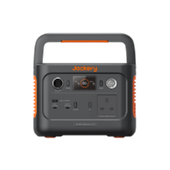
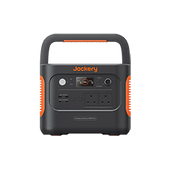
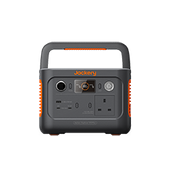
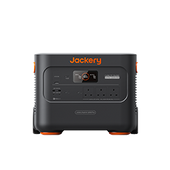
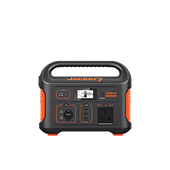
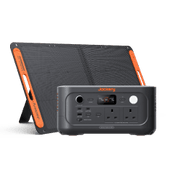
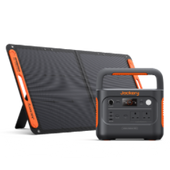
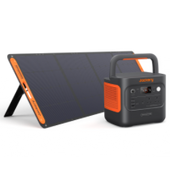
The Jackery Portable Power Stations are this kind of power stations that can be used indoors and outdoors.

Average Lifespan of Portable Power Stations
The lifespan of a portable solar power station depends on several factors, including the quality of the components, the frequency of use, and maintenance practices. On average, portable solar power stations can last between 10 to 25 years with proper maintenance and care.
Average Lifespan of Solar Panels
The solar panels used in portable solar power stations have a 25-30 years lifespan and can last up to 40-50 years with proper maintenance. Different types of solar panels have different lifespans. Monocrystalline panels last between 25-50 years, poly-crystalline panels for 25 years, and thin-film panels for 10-20 years.
Factors affecting lifespan include panel quality, climate, and maintenance. Proper maintenance and quality materials can extend the lifespan and efficiency of solar panels.
Average Lifespan of PPS Battery
The battery used in a portable solar power station determines its storage capacity and the amount of energy it can produce. The lifespan of a battery typically ranges from 3 to 15 years, with proper maintenance. Lithium-ion and LiFePO4 batteries are commonly used in portable solar power stations due to their high energy density, long cycle life, and low maintenance requirements.
How Long Do Jackery Portable Power Stations Last?
Jackery Portable Power Stations can last from a few years to around 10 years or more, depending on the model, battery chemistry, and how often you cycle it. Newer LiFePO4 Jackery models such as the Explorer 1000 v2, Explorer 2000 v2, and Explorer 2000 Plus are advertised with about 4,000 charge cycles to 70% capacity and a 10-year lifespan under typical daily use.
This does not mean the power station stops working after that number. It means the battery is expected to retain about 70% of its original capacity after those cycles, so it will still work, but it will store less energy than when new.
For example, the Explorer 1000 v2 has a LiFePO4 battery, a lifespan of up to 10 years, and 4,000 charge cycles at 70% capacity. The Explorer 2000 v2 is also listed at 4,000 cycles, and Jackery says the battery keeps at least 70% of original capacity after 4,000 full charge cycles.
In real use, how long a Jackery lasts depends on a few things: how often you fully discharge it, whether you store it in heat, how fast you recharge it, and whether it spends long periods at 0% or 100%.
The Charging Process of a Portable Power Station Through Solar Panels
Portable power stations can be charged through solar panels, providing a convenient and eco-friendly way to generate electricity. The charging process typically involves the following steps:
Solar Panel Connection: Connect the solar panels to the portable power station using the provided cables. Ensure that the connection is secure and properly aligned.
Sunlight Absorption: The solar panels absorb sunlight and convert it into electricity through the photovoltaic effect. When exposed to sunlight, the photovoltaic cells within the panels generate direct current (DC) electricity.
Charge Controller Regulation: The portable power station usually incorporates a charge controller that regulates the charging process. The charge controller ensures that the incoming solar energy is efficiently stored in the power station's battery and prevents overcharging or damage.
Battery Charging: The DC electricity generated by the solar panels is directed to the power station’s internal battery for storage. The battery stores the energy for later use, allowing it to power various devices and appliances when needed.
Power Management: The portable power station may have built-in power management features, such as USB ports, AC outlets, or DC outputs, to provide different power options for charging devices or running appliances.

Do Portable Power Stations Need Maintenance?
Yes, portable power stations do need some maintenance, but usually not a lot. Basic maintenance includes keeping the unit clean, storing it in a cool and dry place, checking the battery charge level during long storage, keeping the ports and cables in good condition, and following the manufacturer’s charging guidance. If you use solar panels, they should also be cleaned regularly so charging stays efficient.
Maintenance Skills for Portable Solar Power Stations
Proper maintenance is essential if you want a portable solar power station to last longer and perform reliably over time. Good care does not just protect the battery. It also helps the solar panels charge more efficiently, reduces the risk of faults, and keeps the whole system working safely when you need it.

Regular Cleaning
Portable solar panels should be cleaned regularly because dust, mud, pollen, bird droppings, and other debris can block sunlight and reduce charging efficiency. Even a thin layer of dirt can lower solar input, especially on bright days when you expect the panel to perform at its best.
When cleaning the panel surface, use a soft cloth, sponge, or microfiber towel with clean water or mild soapy water. Wipe gently to avoid scratching the panel. After cleaning, dry the surface with a soft cloth to prevent water marks. Do not use harsh chemical cleaners, bleach, strong solvents, wire brushes, or rough scrubbing pads, as these can damage the protective surface of the panel.
For the portable power station itself, wipe the outer casing and display with a dry or slightly damp soft cloth. Keep the input and output ports clean and free from dust, sand, or moisture. Never spray water directly into vents, ports, or the display area.
Battery Maintenance
The battery is the most important and most sensitive part of a portable solar power station. Regular battery care helps preserve charging capacity and slows down long-term degradation.
Start by checking the unit for obvious signs of battery-related issues, such as swelling, unusual heat, leakage, strange smells, or visible damage to the casing. If you notice any of these signs, stop using the unit and have it inspected.
It is also important to keep the battery within a healthy charge range. Avoid leaving the power station fully discharged for long periods, because deep discharge can stress the battery and shorten its life.
At the same time, avoid unnecessary long-term storage at 100% charge unless the manufacturer specifically says that is acceptable. For many portable power stations, especially those using lithium batteries, partial charge storage is better for long-term battery health.
If you are not using the unit regularly, check the battery level every few months and recharge it according to the manufacturer’s recommendation. Many brands suggest storing the unit with some charge remaining rather than leaving it empty. This helps prevent over-discharge during storage and makes the unit easier to use when needed again.
Inverter Maintenance
The inverter is the part of the portable solar power station that converts DC power stored in the battery into AC power for household devices and appliances. If the inverter is not working properly, the unit may fail to power your equipment correctly even if the battery is fully charged.
Check the inverter by paying attention to how the AC outlets perform during normal use. Warning signs may include unstable output, unusual noises, overheating, automatic shutdowns, error messages, or connected appliances not powering on properly. These can indicate overload, internal faults, or ventilation problems.
You should also make sure the inverter’s air vents are not blocked by dust, fabric, or stored items. Good airflow is important because heat is one of the main causes of stress for internal electrical components. If the power station has a built-in cooling fan, listen for whether it operates normally when the unit is under load.
Climate Control and Storage Conditions
Portable solar power stations should always be stored in a cool, dry, and well-ventilated place. Heat, cold, and humidity can all damage the battery and electronics.
High temperatures can speed up battery aging and reduce overall capacity. Leaving the unit in a hot car, direct summer sun, or near heaters for long periods can shorten its lifespan. Very cold conditions can also affect performance, especially during charging. In some battery systems, charging below the recommended temperature range can permanently damage the cells.
Humidity is another risk. Damp storage areas can lead to corrosion around metal contacts, internal moisture damage, or mould and dirt buildup around ports and vents. For that reason, the unit should not be stored on wet ground, in leaking sheds, or in places with heavy condensation.
Cable, Port, and Connection Checks
One part that is often overlooked is the condition of the cables and ports. Damaged charging cables, loose connectors, or dirty input ports can reduce charging performance and create safety risks.
Check solar input cables, AC charging cables, and output ports regularly. Look for bent pins, loose sockets, worn insulation, scorch marks, or signs of overheating. Make sure all connectors fit securely and are not forcing a poor connection. If a cable becomes damaged, replace it rather than continuing to use it.
Keeping the connections clean and intact helps the solar panels charge the unit efficiently and ensures appliances receive steady power.
Professional Maintenance
If you are unsure how to inspect or maintain a portable solar power station, professional support is the safest option. A qualified technician can check battery condition, inverter function, internal wiring, ports, cooling performance, and charging behaviour more thoroughly than a basic user inspection.
What Will Damage a Solar Panel?
Solar panels are designed to withstand various environmental conditions, but several factors can damage or reduce their efficiency over time. Here are some common causes of solar panel damage:
- Physical Damage: Impact from hailstorms, falling objects, or accidental collisions can cause cracks, fractures, or breakage in the solar panels, affecting their performance.
- Weather-related Issues: Extreme weather conditions like high winds, heavy snowfall, or intense heat can compromise the structural integrity of solar panels, leading to degradation or breakage.
- Dirt and Debris: Accumulation of dust, dirt, leaves, or bird droppings on the surface of solar panels can block sunlight, reducing their efficiency. Over time, this can result in decreased power output.
- Electrical Issues: Faulty wiring, loose connections, or issues with electrical components can cause damage to the solar panels or result in power losses.
- Aging and Degradation: Solar panels naturally degrade over time due to prolonged exposure to sunlight and other environmental factors. This degradation gradually reduces their efficiency and power output.
How to Clean and Protect the Solar Panels?
Regular cleaning and proper protection are important if you want solar panels to keep working efficiently for years. Dirt, dust, leaves, bird droppings, and other buildup can block sunlight and reduce power generation.

Cleaning Solar Panels Properly
Solar panels should be cleaned carefully to remove anything that blocks sunlight from reaching the cells. Common buildup includes dust, pollen, mud splashes, leaves, bird droppings, and air pollution residue. Even a light layer of grime can lower efficiency, especially if the panels are installed in a dusty area or near trees.
Start by turning off or isolating the system if the manufacturer’s instructions require it, especially before handling cables or connectors. Then remove loose debris such as dry leaves, twigs, or dust using a soft brush, microfiber cloth, or a gentle stream of clean water. Avoid using anything hard or sharp that could scratch the glass surface.
Preventive Measures to Reduce Dirt and Damage
Good maintenance is not only about cleaning after panels get dirty. It is also about reducing the chance of dirt buildup and physical damage in the first place.
Trim overhanging tree branches near the installation area so they do not drop leaves, sap, or small branches onto the panels. This is especially important before storm seasons or periods of strong wind. Branches can also create shade, and even partial shading can reduce solar output noticeably.
Keep the area around the panels as clear as possible. Remove piles of leaves, nesting materials, and other debris that may gather nearby. Bird nests, moss, and plant overgrowth can all interfere with sunlight or create mess that spreads onto the panel surface. In ground-mounted systems, make sure weeds and tall plants do not grow up around the frame or block part of the panel.
Regular Inspections for Early Problem Detection
Solar panels should be inspected periodically, not just cleaned when they look dirty. A simple visual check can help you catch small problems before they affect performance or become expensive to repair.
Look for visible cracks in the glass, damage to the frame, discolouration, signs of moisture getting inside, loose mounting hardware, frayed cables, or connectors that do not fit tightly. Also check whether dirt is collecting along the panel edges, whether birds or pests are nesting underneath, and whether nearby trees or buildings are starting to cast more shade than before.
Protective Coatings and Extra Surface Protection
Some owners consider applying a protective coating made specifically for solar panels. These coatings are designed to help repel water, dust, and dirt so the panel surface stays cleaner for longer. In some cases, they may also make future cleaning easier by reducing how strongly grime sticks to the glass.
However, any coating used on solar panels should be approved for that purpose and compatible with the manufacturer’s recommendations. Using the wrong product could reduce light transmission, leave residue, or damage the panel surface.
How to Maintain the Portable Power Station?
Maintaining a portable power station involves several steps to ensure its optimal performance and longevity:
- Regular Cleaning: Clean the solar panels of the portable power station following the guidelines mentioned earlier. Keeping the panels clean will maximize their efficiency and power generation.
- Battery Maintenance: Follow the manufacturer’s instructions for battery maintenance, including recommended charging and discharging cycles. Avoid overcharging or fully discharging the battery to prolong its lifespan.
- Storage: When not in use, store the portable solar power station in a dry and safe location. Protect it from extreme temperatures, moisture, and direct sunlight. Follow the manufacturer's instructions for specific storage recommendations.
- System Inspections: Periodically inspect the power station’s components, including cables, connectors, and controls, for any signs of damage, wear, or loose connections. Address any issues promptly to prevent further damage or malfunction.
- Manufacturer Guidelines: Refer to the manufacturer’s guidelines and recommendations for specific maintenance procedures and intervals. They may provide additional information on maintaining and troubleshooting the portable power station.
By following these maintenance practices, customers can ensure that their portable solar power station remains in good working condition and provides reliable power when needed.
Jackery Portable Power Stations Explained
Jackery has moved significantly toward a "set it and forget it" philosophy, specifically with their newer v2, Plus, and Ultra series. While older portable power stations required frequent "babysitting" (charging every month), Jackery’s latest technology is designed to minimize the work you have to do to keep the battery healthy.
The biggest pain point with large batteries is finding them dead when you need them. Jackery’s ZeroDrain™ technology (found in models like the 3000 v2 and 2000 v2) is a game-changer for storage. Most stations lose significant charge every month. Jackery’s new units can retain up to 95% of their charge after 12 months of sitting in a cupboard.
Jackery Explorer 3000 v2
The Jackery Explorer 3000 v2 is a powerhouse designed specifically to fix the "maintenance anxiety" that comes with older portable power stations. It represents a major leap in longevity and "set-and-forget" reliability.

Exceptional Battery Lifespan (10+ Years)
The shift from Lithium-ion (NMC) to LiFePO4 (Lithium Iron Phosphate) chemistry is the biggest win. It is rated for over 4,000 full charge cycles before hitting 70% capacity. If you used it every single day, it would last over 10 years. LiFePO4 is chemically more stable and far less prone to overheating or "thermal runaway," making it much safer for indoor home backup.
ZeroDrain™ Technology (Standby Longevity)
One of the most frustrating issues with large batteries is finding them dead when you actually need them. The 3000 v2 features a specialized low-power standby mode. It can retain up to 95% of its charge after a full year in storage. For emergency preparedness (like a sudden power cut), you don't have to worry about "topping it up" every month.
ChargeShield 2.0 & AI Protection
The internal BMS (Battery Management System) uses AI to monitor the battery 80,000 times per second. It adjusts the charging speed based on temperature and battery health, extending the chemical life of the cells by up to 50% compared to standard chargers.
It can operate and discharge safely in temperatures as low as -20°C (-4°F), which is vital for winter emergency use.
|
How to Maintain & Store Explorer 3000 v2 |
|
Jackery Explorer 2000 v2
The Jackery Explorer 2000 v2 is often considered the "sweet spot" in the Jackery lineup for those who prioritize a lightweight design without sacrificing the long-term durability of the larger units. It mirrors the high-end technical standards of the 3000 v2 but in a much more portable frame.

Lifespan: A Full Decade of Power
The shift to LiFePO4 (LFP) battery chemistry in the v2 model is a massive upgrade for longevity. It is rated to retain 70%+ of its original capacity after 4,000 full charge cycles. Even if you used it heavily (discharging it once a day, every single day), it would still perform reliably for over 10 years. The v2 utilises a Gallium Nitride (GaN) inverter, which is more efficient and runs cooler than traditional silicon inverters. By reducing internal heat, it further slows down the chemical aging of the battery cells.
Self-Discharge: Emergency Readiness
The 2000 v2 is engineered specifically for "idle" scenarios, such as seasonal camping or emergency home backup.
ZeroDrain™ Standby: It features the same ultra-low self-discharge tech as the 3000 v2, allowing it to hold up to 95% of its charge after a full year on the shelf. You can store it in a cupboard and trust that it won't be dead when you experience a sudden power cut six months later.
Compact Longevity
While the Explorer 2000 Plus is expandable, the 2000 v2 is 35.6% lighter (weighing just 38.6 lbs) and 41% smaller. For someone who moves their gear frequently, this reduced weight prevents physical wear and tear on the handle and chassis over its 10-year lifespan.
|
How to Maintain & Store Explorer 2000 v2 |
|
FAQs
The following are frequently asked questions about the power station maintenance.
1. Do portable power stations require special maintenance?
Like any high-performance tool, a portable power station requires regular upkeep to function at its best for years to come.
2. What is the life expectancy of a power station?
Portable power stations typically last between 3 to 10+ years, depending on battery type and usage. LiFePO4 batteries last longer (3,000–5,000+ cycles) compared to traditional Lithium-ion (500–1,000 cycles). With regular use, high-quality LiFePO4 units can last over a decade.
3. What are the 5 basic maintenance conditions?
A Closer Look at Different Types of Maintenance.
Corrective Maintenance: Fixing Issues as They Arise.
Preventive Maintenance: Staying Ahead of the Curve.
Predictive Maintenance: Harnessing the Power of Data.
Risk-Based Maintenance.
Reliability-Centered Maintenance (RCM)
Final Thoughts
Portable power stations are not just convenient backup devices. They are practical energy tools for camping, home emergencies, off-grid work, and everyday flexible power use. Their long-term value depends not only on the model you choose, but also on how well you maintain it.
The good news is that power station maintenance is not complicated. Keeping it clean, storing the unit in the right environment, avoiding extreme battery conditions, checking cables and ports, and paying attention to warning signs can make a noticeable difference to performance and lifespan.


