



























Crabbing is a beloved seaside tradition in the UK, offering families a fun and interactive way to enjoy the coast while connecting with nature. Imagine the happiness on their cheeks when they attempt to capture those scuttling crabs! There's no need for any fancy equipment either, just some energy and a bit of know-how.
From choosing the best crabbing equipment to understanding the legal rules around catching crabs, preparation ensures a stress-free and enjoyable experience for all ages.
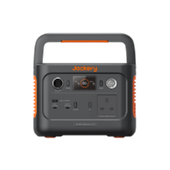
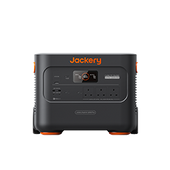
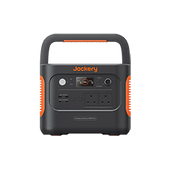
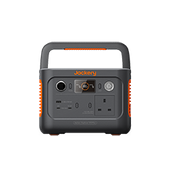
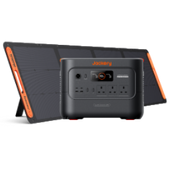
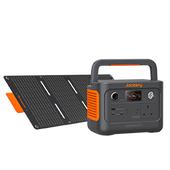
In this guide, we’ll cover the UK crabbing season, where to go, tips for crabbing with children, and how a Jackery Portable Power Station can keep your devices charged while you enjoy a day by the sea.
|
Key Takeaways: |
|
When Is the Crab Season in the UK?
In the UK, crabbing can be enjoyed year-round, but the best time for catching crabs generally aligns with warmer months, from late spring to early autumn (May to September). During this period, crabs are more active, easier to catch, and coastal conditions are safer and more pleasant for family outings.
Crab fishing is an ideal seaside activity for overcast or dreary days, as it can be conducted in any weather and at any time of year. The optimal time of day is a few hours before high tide, when the tide is receding. This is the crabs' natural dinnertime, which means that they will be at their most active, and your lure will be most appealing.
Avoid crabbing during low tide. The crabs will be in hiding when the tide is out, as they prefer to bury themselves in the sand or mud to avoid predators, even if there is still a small amount of water. However, rock pooling is an advantageous activity during low tide; therefore, if you are unsuccessful with crabbing, consider it as an alternative.
To determine the tide's peak, check the official tide tables in advance. Alternatively, you can typically obtain a tide table that includes precise times from the harbour master or local visitor information centres.
Is It Legal to Catch Crabs in the UK?
Yes, catching crabs for recreational purposes is legal in the UK, but there are rules and best practices to follow to protect crab populations and local wildlife.
- Recreational crabbing is generally permitted along most coastal areas, piers, and beaches.
- There are no national size restrictions for crabs caught recreationally, but some local authorities may set guidelines to prevent overfishing. Always check local council or harbour rules.
- Commercial crabbing: Requires a license and is subject to strict regulations, including catch limits and gear restrictions.
By following these rules, families can enjoy a fun, educational, and legal crabbing experience while preserving crab populations for future generations.
All About Crabs
Are you aware that British coastlines are home to a variety of crustaceans? Common shore crabs, hermit crabs, and even crustaceans and barnacles can be discovered.
Crabs are captivating organisms that possess ten legs, a roundish body, and two large, powerful pincers. They are easily identifiable due to their sideways gait. Crabs are scavengers, meaning they consume a variety of organisms, including plant matter, small fish, and other small animals.
Crabbing provides children with the opportunity to interact with these distinctive creatures up close. They will have the opportunity to observe various crab species, their habitats, and their contributions to the littoral ecosystem. While enjoying themselves, it can be an excellent opportunity to educate them on the significance of safeguarding our oceans.
What to Bring for Catching Crabs by the Sea?
Heading out for a day of crabbing along the UK coast can be a fun family adventure, but having the right gear makes all the difference — especially when children are involved. From essential crabbing tools to snacks and safety items, proper preparation ensures a safe and enjoyable experience for everyone.

Crabbing Equipment
To catch crabs efficiently and safely, bring:
- Crab lines or hand lines: Simple lines with bait attached; ideal for kids.
- Buckets or nets: For temporarily holding crabs before release. Make sure the bucket has holes for water so crabs can breathe.
- Bait: Pieces of fish, mackerel, or chicken work well to attract crabs.
- Gloves: Protect little hands from crab claws.
As previously mentioned, there is no requirement for costly equipment to engage in crabbing. Beginning with basic equipment, such as a pail and a net, is often sufficient to enjoy a pleasant experience by the water.
Additionally, using bait will substantially increase your chances of catching crabs. Raw bacon, fish scraps, fish heads, or any other highly odorous substance are optimal for crabs, as they possess an exceptional sense of scent.
Crabbing Bucket
Upon capturing the crabs, place them in a container filled with seawater to keep them safe and prevent them from returning to the water while you inspect them. This is an ideal application for clear plastic crab containers. Giant sizes are available, as well as more manageable sizes that can serve as sandcastle containers.
Any container that is tidy and waterproof may be employed. However, it is important to remember that crabs are adept at scaling and will accumulate on top of one another. Consequently, a container that is too small or has a low profile will not be able to accommodate them for an extended period.
Fishing Net or Butterfly Net
It is advantageous to have a fishing net mounted on a pole when employing a crabbing line (also referred to as a hand line) instead of a crabbing net. These are also referred to as butterfly netting. The crabs will be retaining the lure with their claws as you retrieve the line during fishing. You will employ the net to collect them and deposit them in your receptacle.
Traditionally, these nets are equipped with long bamboo handles. However, it is possible to acquire them with telescopic handles, which enable them to be folded for storage and transportation. Fishing nets are also excellent for rock pooling, which is why we always include them in our seaside supplies.
Crab Line
Throughout our childhood, we consistently employed a crab line (or hand line) for fishing. A crab line is a lengthy fishing line that is equipped with either hooks or net sacks for bait and a weight at the end. Wrapped around an H-shaped reel, they are sold.
Crab lines are a lot of fun and are significantly simpler to transport than nets. They are sufficiently diminutive to accommodate your pocket.
Crabbing Bait
Bait is available for purchase in most coastal cities and villages. This is typically either obsolete shellfish, such as mussels, cockles, whelks, winkles, and even crabs (yes, crabs can be cannibals!), or remnants of rancid flesh or old bacon. It is quite pungent by nature, so it may not be advisable to carry it with you in advance.
Safety Gear for Crabbing
Safety is essential, especially with children:
- Life jackets or buoyancy aids: If you’re near piers, jetties, or uneven coastal edges.
- First aid kit: For minor scrapes or pinches.
- Sunscreen, hats, and sunglasses: Even cloudy days can have strong UV exposure.
Suppose you’re crabbing near piers, jetties, or rocky edges, where slips could happen. Kids must wear properly fitted life jackets at all times. Adults can wear lightweight buoyancy aids for extra safety while helping children.
Bring a small kit with plasters, antiseptic wipes, tweezers, and bandages. Useful for minor cuts, scrapes, or crab pinches. Keep it easily accessible in a backpack. Use SPF 30+ sunscreen, a wide-brimmed hat, and UV-protective sunglasses for adults and children.
Comfort Essentials for Crabbing
A day by the sea is more fun if you’re prepared:
- Water and snacks: Keep everyone hydrated and energized.
- Extra layers: Coastal weather can change quickly — bring jackets or waterproofs.
- Picnic blanket or chairs: Perfect for breaks between crabbing sessions.
- Camera or smartphone: To capture memories of your catch and the beautiful coastal scenery.
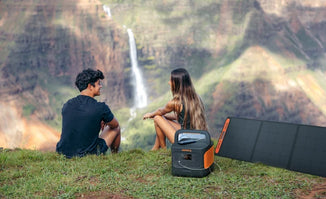
- Jackery Portable Power Station: Keeps your devices charged during long outings.
Bring plenty of water to keep everyone hydrated, especially children. Snacks like fruit, sandwiches, or granola bars provide energy for active kids and long walks along the coast. Coastal weather can change rapidly. Pack waterproof jackets, fleeces, or windbreakers to stay warm and dry.
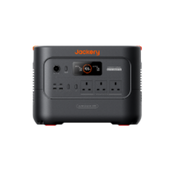
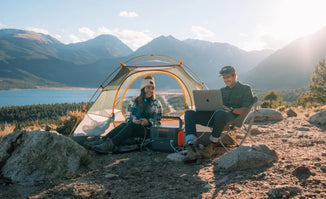
The Jackery Portable Power Station is more than just a backup battery — it’s an essential companion for a safe, fun, and stress-free crabbing day, especially when you’re with children. Phones stay fully charged in case of emergencies or to call for help. GPS apps or tide charts can be used without worrying about battery life. Kids can safely use devices under supervision for learning or entertainment.

Extras for Kids
To catch crabs efficientl
- Buckets and spades for exploring sand and shallow pools
- Magnifying glass or small nets to observe crabs and other sea creatures
- Wet wipes or towels for cleaning hands
Encourage curiosity about crabs, shells, and other coastal wildlife, and encourage handwashing after handling crabs or playing in sand and water. Let children carry their own snack, water, and gear, helping them feel involved and responsible.
|
Crabbing Essentials |
||
|
Crab Line |
Hand Lines |
Crab Bucket |
|
Fishing Net or Butterfly Net |
Crabbing Bait |
Gloves |
|
Life Jackets |
Buoyancy Aids |
First Aid Kit |
|
Sunscreen |
Hat |
Sunglasses |
|
Water & Snacks |
Extra Layers |
Picnic Blanket |
|
Portable Chairs |
Camera or Smartphone |
Portable Power |
|
Magnifying Glass |
Wet Wipes |
Towels |
Where to Go Crabbing in the UK?
There are crabs all along the coast of Great Britain, so you can go crabbing anywhere. Many crabs can be found on the beach, but the best place to catch them is at a quay, harbour, wharf, or pier (in different forms!). Every village and town on the British coast has a spot that's just right.
In fishing harbours, you can find the biggest crabs because they can eat the trash from fishing boats and have lots of places to hide from animals that might try to eat them.
Inlets where the water meets the land are another good place to catch crabs. You can fish from docks or piers there. Harbour walls can have very steep drops, but these are generally not as scary, so they can be a good place to get the hang of things.

Whitstable, Kent
- Location: Whitstable, Kent, Southeast England
- Best For: Family-friendly crabbing from the famous wooden piers
Whitstable is renowned for its traditional seaside charm and abundant crab population. Crabbing can be done straight from the town’s harbour and wooden piers, making it ideal for children. The town also has cafés and ice cream shops nearby, perfect for breaks. Check local tide times for the best crabbing opportunities.
Southend-on-Sea, Essex
- Location: Southend-on-Sea, Essex, Southeast England
- Best For: Classic pier crabbing and shallow beach crabs
Home to one of the longest pleasure piers in the world, Southend offers excellent family-friendly crabbing. The pier provides safe access to the sea, making it easy for kids to drop lines from a secure platform. Nearby amusements, cafes, and toilets make this location convenient for families.
Tenby, Pembrokeshire, Wales
- Location: Tenby Harbour, Pembrokeshire, Southwest Wales
- Best For: Scenic coastal crabbing and exploring rock pools
Tenby’s harbour walls and sandy beaches are home to plenty of crabs during the warmer months. Children can safely explore rock pools during low tide while parents supervise. Combine crabbing with a walk along the colourful harbour town and enjoy local ice cream or seafood.
Newquay, Cornwall
- Location: Towan Beach and Newquay Harbour, Cornwall, Southwest England
- Best For: Rock pool crabbing and sandy shorelines
Newquay’s beaches and harbours provide ideal conditions for both hand-line and net crabbing. Rock pools around the harbour are teeming with crabs and other marine life, great for kids to explore safely. Combine a crabbing trip with surfing lessons or beach play, making it a full family adventure.
Belfast Lough, Northern Ireland
- Location: Belfast Lough, County Antrim, Northern Ireland
- Best For: Accessible pier crabbing and calm waters
Belfast Lough has several piers and sheltered coastal areas suitable for family crabbing. Calm waters and gentle tides make it perfect for kids and beginners. The lough area also offers walks, picnic spots, and wildlife observation, making it a well-rounded outdoor day trip.
Where NOT to Go Crabbing?
Quays, harbours, and jetties are great places to fish for crabs, but they can also be risky places to work. Always pay attention to signs that say "do not fish," and don't fish near boats. When nets and lines are dropped, they can get tangled in boat blades, causing significant damage.
Before you start fishing, make sure you know how long your line is. You won't be able to catch any crabs if your line or net doesn't reach that far. There may be places in the harbour that are too deep for you, so you may need to find a smaller spot.
You may also need to be aware of changing tides if you are going to be at the beach. Most of the time, this isn't a problem in towns, but if you're fishing somewhere that might be blocked at high tide, make sure you know when that is.
How to Catch Crabs with Kids: Step-by-Step Guide
Now that you know where you want to go crabbing and have everything you need, what do you do next? Here are the steps you need to take to safely crab.

Step 1: Put saltwater in half of your bucket before you start. Use water close to where you're crabbing. This is where your crab will stay for now.
Step 2: To get your crab line ready, either tie the hook to the line or put it in the bait bag or net.
Step 3: Slowly lower the crab line into the water and remove small pieces until the bait hits the bottom.
Step 4: Be calm and wait. When a crab is on the hook, you might feel a little pull, but not always. Every 5 to 10 minutes, check your queue to see if something has caught.
Step 5: Quickly but gently pull in the line if you have a crab to keep it from getting away. When you pick up a big hand net, do it in one go.
Step 6: Put the crab right into your bucket after taking it out of the net. Please do not touch the pincers. Instead, hold it with your thumb under the shell and your index finger on top. If you get pinched, keep calm and pull the crab away from you slowly.
Step 7: Do it again and again, but make sure the bucket isn't too full so the crabs have room to move.
Step 8: Take one crab out of the fight right away and let it go.
Step 9: Set the crabs free quickly after watching them. Carefully lower them back into the water where they were caught, letting them swim away without getting hurt.
Step 10: Clean up your work area when you're done. Throw away any bait or gear you don't want and take all of your trash with you.
How to Use a Crab Line?
With a crab line, your food bag is tied to a weighted line instead of being at the bottom of a net, but the process is the same. Have your pole net ready to catch your fish before it falls back into the water when you pull your line up.
Pulling up the line will need to be done with even more care, but you'll be able to tell much more quickly when you have a bite.
How to Hold a Crab?
When moving your crab from the net to the bucket, you shouldn't have to touch it. If you do need to pick one up, hold it between your finger and thumb from the back or sides (away from the pincers!). Stay away from the claws because they can give you a sharp bite. You and the crab will be okay.
To move the crab from the net to the bucket without touching it, gently bunch the net under it from the outside and use it to tip the crab into the bucket. Watch out that it doesn't get caught in the net. When you catch other animals, you should do the same thing. Tell your kids to do the same thing, too, because you don't want them shaking the net upside down!
Jackery Portable Power Stations for Crabbing and More Outdoor Fun
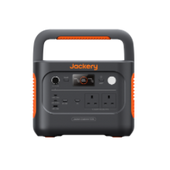
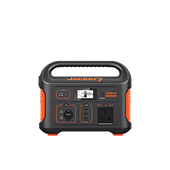
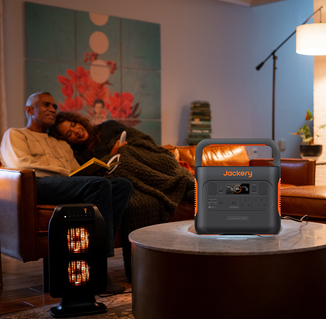
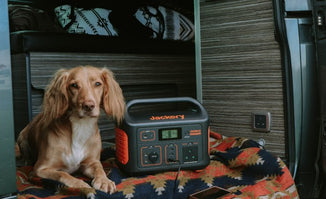
A Jackery Portable Power Station is more than just a backup battery — it’s an essential companion for a safe, fun, and stress-free crabbing day, especially when you’re with children.
Unlike traditional petrol generators, Jackery Portable Power Stations operate quietly and produce no fumes, making them safe and comfortable to use around children and other campers.
It keeps phones, cameras, and small electronics charged, enhances safety, and makes crabbing with kids more convenient, fun, and memorable.
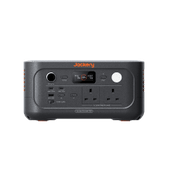
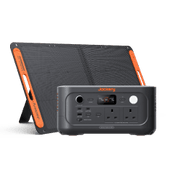
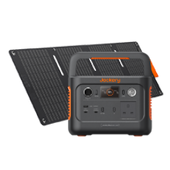
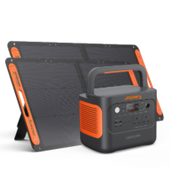
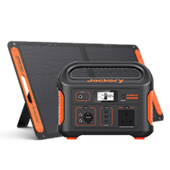
Jackery Explorer 300D
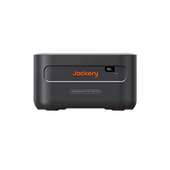
Jackery Explorer 300D Portable Power Station is a compact portable power solution designed for crabbing day or any other fun activities by the sea. Compared with larger power stations, it focuses on portability, efficiency, and fast charging, making it ideal for family day trips and short adventures.

288Wh Capacity with 300W Output
With its lightweight 2.5 kg design, 3× USB-C, 1× USB-A, and car socket, this power station can deliver 288Wh of energy, which is equivalent to up to nine power banks, and has a maximum output of 300W. It keeps laptops, drones, and other devices fuelled simultaneously for travel, camping, and daily backup.
Continue Your Adventure, Charge Without Limits
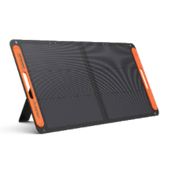
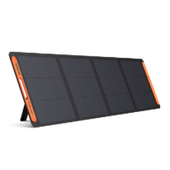
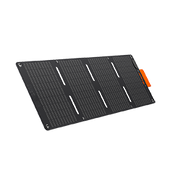
Connect the E300D power bank to the small, foldable 40W solar panel for convenient, intelligent recharging on-the-go. It provides consistent solar energy wherever your journey takes you because to its small size, durability, and ease of attachment to a bike or backpack.
Two-in-one cable. Simply grab and go
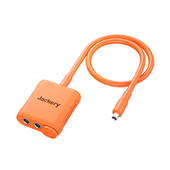
With the unique 2-in-1 carry-and-charge cable, you can streamline your on-the-go power. You can take this E300D, walk around freely, and keep all of your devices charged and connected wherever you go because it is strong enough to support up to 10 kg and functions as both a durable handle and a 140W fast-charging cable with data transmission integrated in.
Nearly 0 dB. Silent Power
This quiet power station is much more powerful than a typical power bank and much quieter than traditional units thanks to its completely fanless design, which allows for whisper-quiet, nearly 0 dB operation. Take advantage of robust, dependable energy for both day and nighttime use without interfering with your sleep, concentration, or peace of mind at camp.
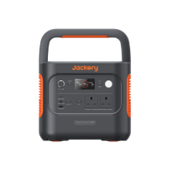
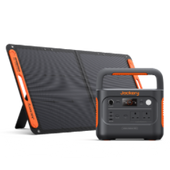
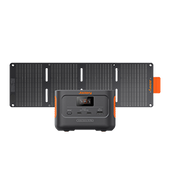
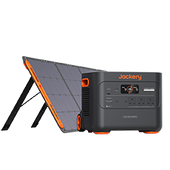
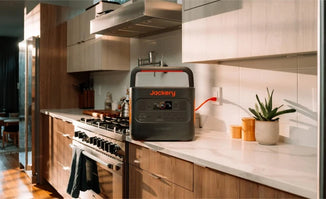
Jackery Explorer 240 v2
A family crabbing trip or seaside adventure can easily turn into a full day outdoors. Bringing a reliable portable power source like the Jackery Explorer 240 v2 ensures your devices stay charged and your trip stays safe, comfortable, and enjoyable.

Reliable Power for a Full Day Outdoors
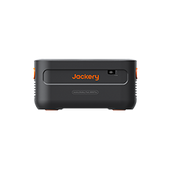
The Explorer 240 v2 provides enough portable power (256Wh) to keep essential devices running throughout the day. During a crabbing trip, families often rely on multiple electronics such as smartphones, cameras, or small accessories. Having a dependable power station means you won’t need to worry about drained batteries while exploring the coastline.
1 Hour Flash Charging
Fully charges the Explorer 240 v2 Portable Power Station from 0% to 100% in 1 Hour through the Emergency Charging Mode, activated via App. Always ready for emergencies with your portable power supply, ensuring you never run out of power on the go.
Extended Life, Reliable LFP Power
The Jackery Solar Generator 240 v2, weighing just 7.94 lbs and featuring a compact foldable handle, is lighter and more portable than mainstream products, easily fitting into your backpack for convenient storage. Upgraded to an LFP battery from an NCM battery, it boasts an impressive 3,000 life cycles and provides up to 10 years of lifespan, serving as a reliable companion for outdoor adventures.
IEC Certified, Safety Guaranteed
The Jackery 240 v2 guarantees top-level safety and reliability with IEC 62368 Impact Resistance Certification and the upgraded ChargeShield 2.0. It also meets stringent EMC Class-B standards, ensuring smooth and interference-free operation of your home appliances. Enjoy peace of mind with a power solution designed for ultimate protection.
What to Do with Your Crab after Crabbing?
Make sure your bucket isn't in direct sunlight to protect your catch. When you catch something, it will be used to being in dark, dim places and may get too hot in the sun.
Sometimes crabs, especially male crabs, can be very mean to each other. Just make sure your bucket doesn't get too full, and if you see any being bad, it's time to let them go. The promise of lunch made the crabs come in, but they often try to eat the shrimp and fish that were there with them. If you can, separate the shrimp and fish.
Take your bucket to the edge of the water when you're ready to leave. To let them go, it's best to soak the bucket, but you can also slowly pour them out. Do not throw them back from the top of the quay or drop them from a very high place!
FAQs
The following are frequently asked questions about the crab season in the UK.
1. Is there a crabbing season in the UK?
Spring, summer and early autumn are generally the best seasons for crabbing in the UK. Crabs are more active and tend to be closer to the shore during these months. Most beaches will have great spots for crabbing, whether it's on the shoreline or off a pier.
2. Where is the best place to go crabbing in the UK?
Wells Harbour: Wells-next-the-sea is a charming coastal town on the North Norfolk coast. It has a picturesque harbour that is ideal for crabbing. Burnham Overy Staithe: A peaceful alternative to Blakeney Quay, with a charming jetty that's perfect for crabbing in calm, scenic surroundings.
3. Do you need a licence for crab pots in the UK?
Yes, a recreational fisherman requires a Permit if they fish using pots or traps and will be limited to two lobster and five edible crab per day. I already have a lobster Permit, what should I do? The previous Lobster Permit Byelaw (which had limited effort management restrictions) is revoked.
Final Thoughts
Crabbing is a classic seaside activity in the UK that brings families closer to nature and creates fun, memorable moments for children. By understanding the best crabbing season, following the local rules for catching crabs, choosing the right equipment, and visiting family-friendly coastal spots, you can ensure a safe and enjoyable day by the sea.
Bringing a reliable portable power source, such as the Jackery Portable Power Station can further enhance your trip. It keeps phones, cameras, and other small devices charged throughout the day, so you can capture memories and stay connected.


