

































Solar panels are a long-term investment, but their value depends on more than the number of years they stay on the roof. UK homeowners also need to understand how panel performance changes over time, what warranties actually cover, and when related components such as inverters or batteries may need attention.
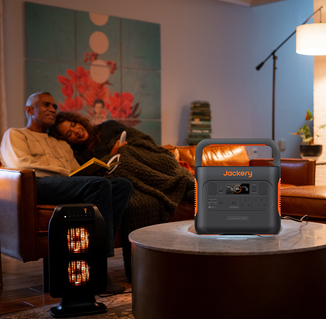
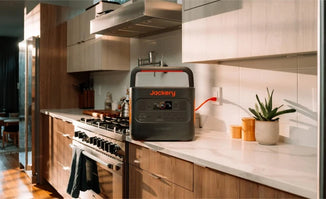
Most modern solar panels can keep generating electricity for 25 years or more, although their output gradually declines. Pairing them with a smart storage system, such as the Jackery SolarVault 3 Series, can also help households make better use of the electricity they produce, especially when daytime generation and evening demand do not match.
|
Key Takeaways: |
|
How Long Do Solar Panels Last in the UK? The Simple Answer
Most solar panels in the UK are expected to last around 25 to 30 years, and many can continue working beyond that if they are well installed and properly maintained. This does not mean the panels suddenly stop producing electricity after year 25. Instead, their output gradually falls over time.
A typical solar panel loses a small amount of efficiency each year. By the end of its performance warranty, it may still produce around 80% to 90% of its original rated output, depending on the panel quality and warranty terms. So, “end of life” usually means the panel has become less productive, not useless.
For UK homeowners, the real question is not only how long do solar panels last, but how long they continue to deliver useful savings. With a sound roof, good installation and basic maintenance, solar panels can remain a valuable part of a home energy system for decades.
What Affects Solar Panel Lifespan in UK Conditions?
UK weather is not usually extreme enough to make good solar panels wear out quickly, but it can still influence how well they perform over the years. The biggest risks are rarely the solar cells alone. Lifespan often depends on the full system: panel quality, mounting, roof exposure, cable protection and how well the installation deals with wind, rain and long-term moisture.

Rain, Wind and Storms
Rain can help wash away light dust, but heavy rain and storms test the panel frame, seals, roof fixings and mounting rails. In exposed areas, strong wind is often the bigger concern. If panels are not mounted correctly, vibration and movement can place stress on the frame, glass and roof fixings over time.
Temperature Cycles and Freeze-Thaw Stress
The UK does not have the hottest climate, which is generally good for solar panel performance. However, repeated temperature changes still matter. In winter, moisture can freeze and expand around weak seals, frames or roof penetrations. Well-sealed panels and professional installation reduce this risk.
Salt Air in Coastal Areas
Homes near the coast may face faster corrosion because of salty air. This can affect frames, clamps, screws and exposed metal parts. Coastal installations should use corrosion-resistant mounting hardware and suitable cable protection.
Shading and Dirt Build-Up
Shading from trees, chimneys or neighbouring buildings can reduce output and create uneven panel performance. Dirt, bird droppings, moss and leaves can also block sunlight. Regular visual checks help spot problems before they affect long-term generation.
Installation Quality and Mounting
A high-quality panel can still underperform if the installation is poor. Correct roof assessment, secure mounting, safe wiring, ventilation behind panels and weatherproof connections all help extend the useful life of a solar PV system in UK conditions.
Solar Panel Degradation: What Really Happens Over Time?
Solar panel degradation is the slow reduction in power output as the panel ages. It does not mean the system suddenly fails. Instead, the cells, glass, wiring and internal materials gradually become less efficient after years of sunlight, weather exposure and temperature changes.
Most modern panels are designed with a low annual degradation rate, often around 0.25% to 0.8% per year depending on panel quality, technology and warranty terms. In practical terms, a panel that produced strongly in year one may still generate a large share of its original output after 25 years.
The signs are usually gradual rather than dramatic. Homeowners may notice lower yearly generation, weaker output on clear days, or a widening gap between expected and actual performance. A sudden drop is more likely to point to a fault, shading issue, inverter problem, damaged cable or failed component rather than normal ageing.
Warranty vs Real Lifespan: What UK Homeowners Should Know
A solar panel warranty is not the same as its real working life. In the UK, many solar panels are expected to keep producing electricity for 25 to 30 years or more, but the warranty terms explain what the manufacturer is prepared to guarantee. This is important when comparing systems, because two panels with a similar rated output may offer very different long-term protection.
|
Warranty type |
What it usually covers |
Typical period |
What UK homeowners should check |
|
Product warranty |
Materials, workmanship and manufacturing defects, such as frame faults, glass issues or junction box problems |
Often 12–25 years, depending on the brand and panel range |
Whether labour, shipping and replacement handling are included |
|
Performance warranty |
Minimum power output over time, usually shown as a percentage of the original rated output |
Commonly 25 years or longer |
The guaranteed output in year 25 and the annual degradation rate |
|
Installer warranty |
Workmanship of the installation, roof mounting, wiring and system setup |
Varies by installer |
Whether roof leaks, mounting issues and call-outs are clearly covered |
A product warranty protects against faults. A performance warranty protects against the panel losing output faster than promised. Neither necessarily means the panel stops working when the warranty ends.
In practice, many panels continue generating electricity after their performance warranty has expired. They may simply produce less power than when new. For example, an older panel might still be useful if it produces 80% or more of its original output, especially when electricity prices are high and the roof space is already in use.
For homeowners, the best approach is to compare warranty length, degradation terms, installer reputation and monitoring options together, rather than looking only at the headline lifespan.

How Long Do Solar Panel Batteries Last?
Solar panel batteries usually have a shorter lifespan than solar panels. While panels can often work for 25 to 30 years, most home solar batteries last around 8 to 15 years, depending on battery chemistry, cycle life, temperature, depth of discharge and charging behaviour. In practice, battery life is often measured less by calendar years and more by charge cycles: one cycle means the battery has been charged and discharged once.
|
Battery type |
Typical use |
Approximate cycle life |
Typical lifespan |
Key point |
|
Lead-acid |
Older or low-cost storage systems |
500–1,500 cycles |
3–7 years |
Lower upfront cost, shorter life and deeper maintenance needs |
|
Many home battery systems and EV-based chemistry |
3,000–6,000 cycles |
8–12 years |
Good energy density, but more sensitive to heat and deep cycling |
|
|
Lithium iron phosphate |
Modern home storage systems |
4,000–8,000+ cycles |
10–15 years |
Strong safety profile, long cycle life and stable performance |
|
Saltwater or alternative batteries |
Niche residential storage |
Varies widely |
5–15 years |
Less common, availability and support can be limited |
Battery Chemistry
Lithium batteries generally last longer than traditional lead-acid batteries. Lithium iron phosphate, often shortened to LFP, is especially common in modern home energy storage because it offers a long cycle life and good thermal stability. This is why LFP-based systems are often preferred for households that want daily solar charging and evening use.
Temperature Impact
Batteries do not like extreme heat or freezing conditions. High temperatures can speed up chemical ageing, while very cold conditions can reduce charging efficiency and available capacity. A battery installed in a protected, well-ventilated indoor or sheltered location usually has a better chance of lasting longer.
Usage Depth
Depth of discharge means how much of the battery is used before it is recharged. Regularly draining a battery very deeply can shorten its lifespan. Many systems manage this automatically by keeping a reserve, so the battery is not pushed to damaging limits every day.
Charging Habits
Frequent rapid charging, constant full charge, or poor energy management can increase stress on the battery. A smart storage system that balances solar input, home demand and battery state of charge can help protect long-term performance. For example, the Jackery SolarVault 3 Series uses LFP battery technology and smart energy management, making it relevant for UK households comparing solar storage options beyond panel lifespan alone.
Solar Panel System Lifespan: What Needs Replacing First?
A solar PV system is made of several parts, and they do not all age at the same speed. The panels are usually the longest-lasting part, while the inverter and battery storage are more likely to need replacement during the system’s lifetime.
For UK homeowners, this matters because the real cost of solar is not only the installation price, but also the expected maintenance and replacement schedule over 25 to 30 years.

Solar Panels: Usually 25–30+ Years
Solar panels are designed for long-term outdoor use. A good-quality panel can usually keep generating electricity for 25 to 30 years or more, although output gradually declines over time. The panel does not normally “expire” at the end of its warranty. It may simply produce less electricity than it did when new. Panel lifespan depends on product quality, installation, weather exposure, shading and maintenance.
Inverter: Often 10–15 Years
The inverter converts DC electricity from the panels into AC electricity used by the home. Because it contains electronic components and works every day, it usually has a shorter lifespan than the panels. Many string inverters last around 10 to 15 years, while microinverters may come with longer warranties depending on the brand. If the inverter fails, the panels may still be fine, but the system cannot deliver usable electricity properly until the inverter is repaired or replaced.
Battery Storage: Around 8–15 Years
Solar batteries store unused solar power for later use, such as in the evening. Most home batteries last around 8 to 15 years, depending on chemistry, temperature, cycle life and how deeply they are charged and discharged. LFP batteries are often chosen for modern home storage because of their longer cycle life and stable performance. This is where products such as the Jackery SolarVault 3 Series become relevant for households comparing panel lifespan with storage lifespan.
Mounting System: Often 25+ Years
The mounting system includes rails, clamps, roof hooks and fixings. A well-installed mounting system can often last 25 years or more, especially when corrosion-resistant materials are used. However, roof condition, wind exposure and installation quality are critical. A strong panel is only useful if it stays securely and safely fixed to the roof.
|
Component |
Typical lifespan |
Likely replacement timing |
What affects lifespan most |
|
Solar panels |
25–30+ years |
Usually last the longest |
Panel quality, degradation rate, weather exposure, shading |
|
Inverter |
10–15 years |
May need replacing once during panel life |
Heat, ventilation, electronics quality, workload |
|
Battery storage |
8–15 years |
Often replaced before panels |
Battery chemistry, cycle count, temperature, depth of discharge |
|
Mounting system |
25+ years |
Often lasts as long as panels if installed well |
Roof condition, wind load, corrosion resistance, installation quality |
Where Jackery SolarVault 3 Series Fits into System Lifespan Planning
Solar panels may last for decades, but the way a household uses electricity often changes much sooner. Working from home, buying an EV, switching to electric heating, or using more appliances in the evening can all change the value of a solar PV system. This is where battery storage becomes part of long-term planning.
The Jackery SolarVault 3 Series is relevant for homeowners who want to use more of their own solar power instead of exporting surplus electricity during the day and buying electricity back later. A storage system does not stop solar panel degradation, and it does not make old panels produce more power. Its role is different: it helps shift usable solar energy to the times when the home actually needs it.
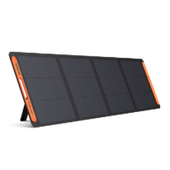
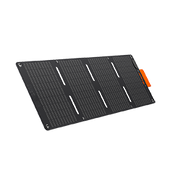
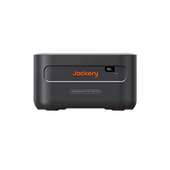
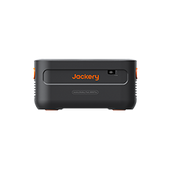
The Jackery SolarVault 3 Series is Jackery’s next-generation home solar storage solution, designed to help households generate, store, and use solar energy more efficiently. The series includes the SolarVault 3 Pro, SolarVault 3 Pro Max, and SolarVault 3 Pro Max AC, offering flexible options for balcony solar systems, existing PV installations, and larger home energy setups. With an integrated inverter, LiFePO4 battery technology, smart energy management, and expandable storage from 2.52 kWh to 15.12 kWh, the SolarVault 3 Series brings solar storage into a compact, modular, all-in-one system.
Even as panel output slowly declines over the years, storage can help improve self-consumption, reduce wasted midday generation and make the system more flexible as household demand changes.
The Jackery SolarVault 3 Series is expected to go on sale in the UK in July, giving UK users a new way to store solar power, use more of their own clean energy, and make home electricity management smarter and more cost-effective.

How to Extend Solar Panel Lifespan in the UK
Solar panels are designed to work outdoors for decades, but small maintenance habits can help protect their output and reduce avoidable wear. In the UK, the aim is not constant cleaning or complicated servicing. It is mainly about keeping the system clear, secure, ventilated and monitored.
Keep a Sensible Cleaning Schedule
UK rainfall naturally washes away some dust and pollen, but it will not always remove bird droppings, moss, leaves or sticky dirt. A visual check every few months is useful, especially after spring pollen, autumn leaf fall or long dry periods. If panels look dirty or output drops unexpectedly, professional cleaning may be safer than climbing onto the roof yourself.
Inspect the System After Storms
After strong wind, heavy rain or hail, check the system from ground level where possible. Look for visible cracks, loose panels, damaged cabling, displaced roof tiles or debris trapped under the array. A sudden fall in generation after a storm should be checked by a qualified installer.
Maintain Proper Ventilation
Solar panels work best when air can circulate behind them. Poor ventilation can increase operating temperatures, which may reduce performance and place more stress on components over time. Roof-mounted panels should have enough clearance underneath, and leaves or nests should not block airflow.
Avoid New Shading Problems
Trees grow, neighbouring extensions appear, and roof equipment can be added later. Even partial shading can reduce output, especially if it affects the same panels every day. Trim overhanging branches where appropriate and consider solar impact before adding roof windows, satellite dishes or extensions.
Monitor Performance Regularly
Generation data can reveal problems early. Compare output across similar months rather than single cloudy days. If summer production becomes noticeably lower than expected, the issue may be shading, dirt, inverter faults or panel damage.
Use Qualified Installers for Repairs
Avoid DIY electrical fixes. Safe cabling, weatherproof connectors and secure mounting all support a longer system life. A well-installed system is usually the best protection for long-term performance.
What UK Homeowners Can Expect from Solar Panels Over Time
Solar panel performance should be viewed as a long-term curve, not a fixed number on a product sheet. The rated output gives a useful starting point, but real generation will also depend on roof angle, orientation, shading, local weather and how household electricity use changes over time.

Year 1–5: Initial Performance Phase
This is usually the strongest performance period. The panels are new, efficiency is at its highest, and the system should be close to its expected generation range in suitable weather. For homeowners, this is also the learning phase. Monitoring apps, smart meters and electricity bills help show when solar power is being produced and which appliances can be shifted into daylight hours.
Year 5–15: Stable Production Phase
These are often the most valuable cost-saving years. The system has already settled into normal operation, and degradation is still minor. Output may be slightly lower than in the first year, but the decline should be gradual. This is the period when good self-consumption habits can make the biggest difference, especially for households using more electricity during the day.
Year 15–25: Mid-Life Phase
By this stage, output reduction becomes more noticeable, although it should still be progressive rather than sudden. The panels may continue working well, but the inverter may need replacement if it has not already been changed. It is also worth checking whether shading, roof condition or wiring issues are affecting performance.
After 25 Years: Extended Use Phase
Many panels can still generate electricity after 25 years, just at reduced efficiency. The decision is then practical: keep using the system, upgrade selected components, or replace the array with newer, higher-output panels.
FAQs
The following are the frequently asked questions about how long do solar panels last:
1. What is the biggest drawback of solar panels?
The biggest drawback is that solar panels only generate electricity when there is enough daylight. In the UK, output changes across the day, drops in winter and falls during cloudy weather. This does not make solar panels ineffective, but it means homeowners need realistic expectations, good system sizing and, in some cases, battery storage to use more solar power later.
2. How often do solar panels need to be replaced?
Most solar panels do not need replacing for 25 to 30 years or more. They gradually lose efficiency rather than suddenly stopping. Replacement becomes worth considering when output has fallen significantly, the roof needs major work, or newer panels would produce much more electricity from the same roof space.
3. Is it worth replacing 10-year-old solar panels?
Usually, no. A 10-year-old solar panel system should still have many productive years left unless there is damage, poor performance, safety concern or a roof renovation planned. It is often better to check the inverter, shading, wiring and monitoring data before replacing panels that are only halfway through their expected life.
4. Do solar panels require maintenance?
Yes, but usually not much. UK rainfall helps clean light dust, but panels can still collect bird droppings, moss, leaves and grime. Homeowners should visually check panels, monitor generation, inspect after storms and arrange professional cleaning or servicing if output drops unexpectedly.
5. Is 10kW enough to run a house?
A 10kW solar system can generate a large amount of electricity, but whether it is “enough” depends on annual consumption, roof direction, shading, location, season and whether battery storage is used. In the UK, a 10kW system may cover much of a high-use household’s annual electricity demand, but it will not produce evenly all year round.
6. What is the 20 rule for solar panels?
The “20 rule” can mean different things. In system sizing, it often means allowing around 20% extra capacity above estimated electricity needs to account for losses, seasonal variation and future demand. In a UK planning context, some guidance may also refer to limits around panel coverage or roof appearance, so homeowners should check local rules and installer advice before relying on a single rule of thumb.
7. Can you use WD-40 to clean solar panels?
No. WD-40 should not be used to clean solar panels. It can leave residue, attract dirt and may affect panel surfaces or seals. Use clean water, a soft brush or solar-safe cleaning equipment. For roof-mounted panels, professional cleaning is usually safer than climbing onto the roof.
8. What are the signs of failing solar panels?
Common signs include a steady drop in generation compared with similar months, visible cracks, discolouration, delamination, burn marks, water ingress, loose cabling or repeated inverter error messages. A sudden output fall is not usually normal ageing. It is more likely to be caused by shading, dirt, inverter failure, wiring damage or a faulty component.
Final Thoughts
Solar panels in the UK can remain productive for decades, but their long-term value depends on realistic expectations. The panels themselves may last 25 years or more, while output slowly declines and parts such as inverters or batteries may need replacing earlier. A good warranty, reliable installation, regular checks and sensible maintenance all help protect performance over time.
For households that want to use more of their solar electricity rather than exporting it at lower rates, battery storage can make the system more practical. The Jackery SolarVault 3 Series offers a flexible way to store daytime solar generation and use it later for evening demand, backup needs or smarter energy management. In the end, the best solar setup is not only the one that lasts longest, but the one that keeps matching your home’s energy habits year after year.


